CNG Prices Rise By Rs 2 In Mumbai Amid Middle East Crisis
Source Entity
NDTV News Search Records Found 1000
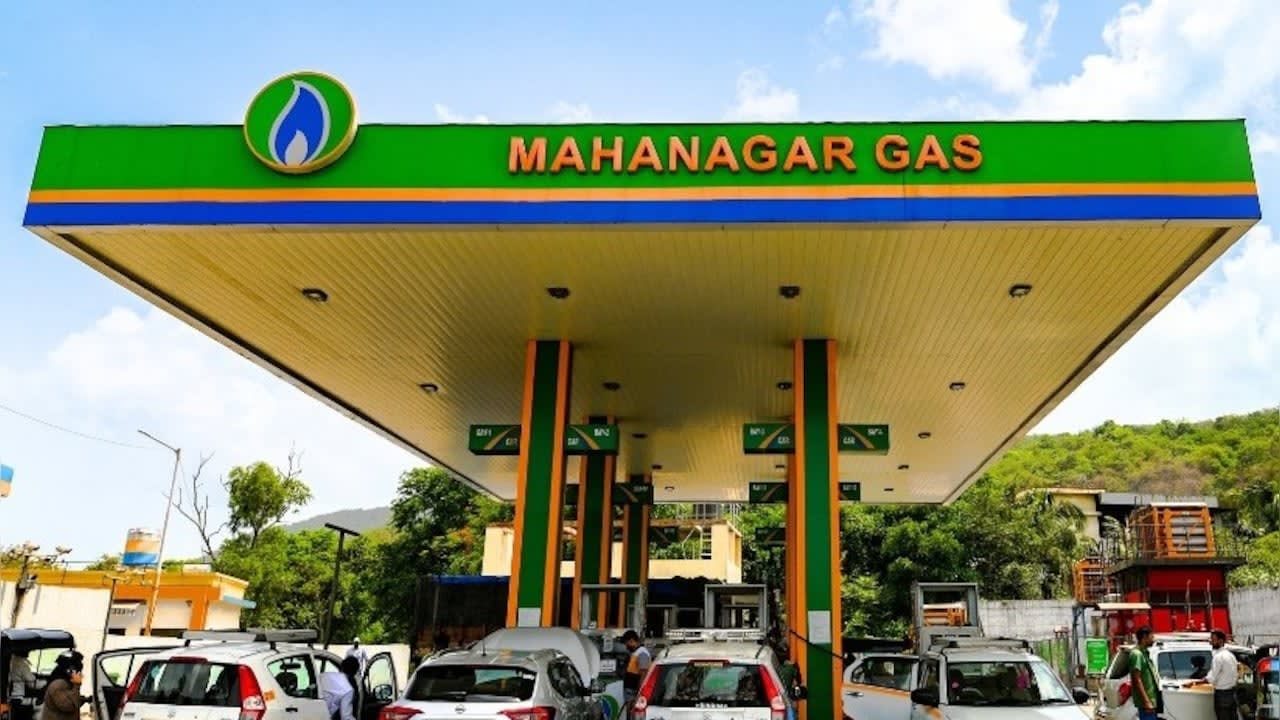
Energy costs in India have surged as of September 1, with hikes in CNG, commercial LPG, and ATF prices. These increases are driven by global supply disruptions in the Middle East and heightened demand from Europe ahead of winter.
Surge in Indian Energy Costs: A Comprehensive Analysis
Starting September 1, consumers and businesses across India have been hit by a coordinated increase in fuel and gas prices. Compressed Natural Gas (CNG) prices in Mumbai, Pune, and Pimpri-Chinchwad have risen by Rs 2 per kg, while commercial Liquefied Petroleum Gas (LPG) cylinders and Aviation Turbine Fuel (ATF) have also seen notable hikes. This inflationary trend reflects the volatile nature of global energy markets and their direct impact on the Indian economy.
The Impact of Middle East Geopolitical Tensions
According to Maharashtra Natural Gas Limited (MNGL), the primary driver behind the CNG price hike is the escalating tension in West Asia. This geopolitical instability has disrupted the transit of Liquefied Natural Gas (LNG) cargo ships through the Strait of Hormuz—a vital maritime chokepoint for global energy trade. The disruption, which has been ongoing since July, has effectively doubled global LNG prices, forcing local distributors to pass the increased procurement costs to the end consumer.
Commercial LPG and Aviation Turbine Fuel Hikes
Beyond the transportation sector, the commercial sector is feeling the pinch. The price of a 19-kg commercial LPG cylinder has been increased by Rs 9.50, reaching Rs 2,747.50, while the 5-kg Free Trade LPG (FTL) cylinder has risen by Rs 2. This hike reverses two consecutive months of price reductions, placing sudden upward pressure on the operating expenses of restaurants, hotels, and catering businesses. Simultaneously, the hike in ATF rates directly threatens the bottom lines of domestic airlines, which are already susceptible to fluctuating fuel costs.
European Energy Demand and Global Supply Constraints
While Middle Eastern tensions provide the immediate trigger, global market dynamics are further tightening the supply chain. Europe is currently aggressively building up its gas reserves in anticipation of the upcoming winter season. This massive seasonal demand, coupled with the existing shipping constraints, has created a "perfect storm" in the energy markets, limiting the availability of LNG for other regions, including India.
Broader Economic Implications
These price hikes serve as a reminder of India's vulnerability to international energy market fluctuations. As businesses face higher costs for cooking gas and transport, there is a risk of a multiplier effect on inflation, potentially impacting the prices of goods and services in the hospitality and logistics sectors. If global supply chains remain constrained by geopolitical instability and high demand, inflationary pressures could persist throughout the quarter.
Future Trends and Outlook
Looking ahead, the stability of Indian energy prices remains inextricably linked to the resolution of regional conflicts in West Asia and the stabilization of global LNG supply routes. Until the security of the Strait of Hormuz is restored and European stockpiling demand eases, domestic consumers and businesses should remain prepared for volatile pricing. Policy makers may need to consider strategic adjustments to buffer the economy against these external shocks as winter approaches.
Multiple Citing Sources
Verification Required?