SpaceX Has an Emerging Challenger in Space. Here’s the One Thing Rivals Can’t Copy.
Source Entity
Yahoo Finance
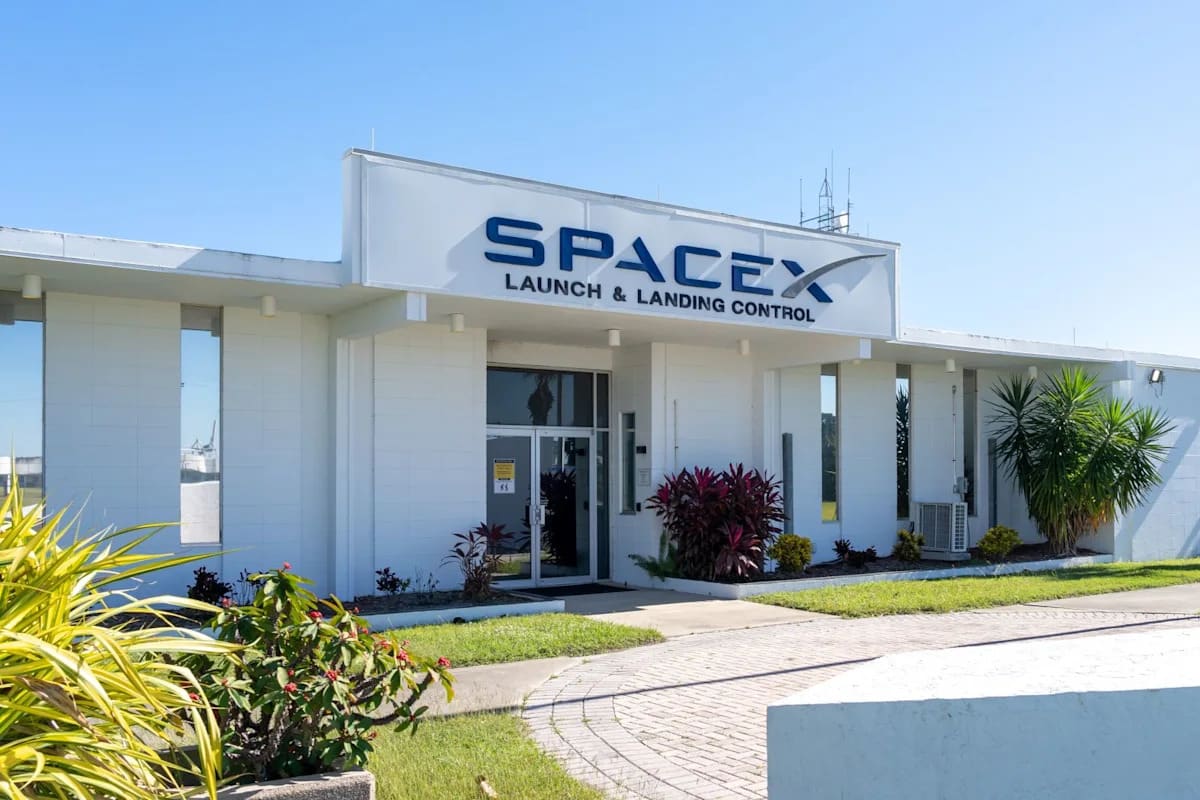
SpaceX is pivoting toward orbital AI data centers powered by Nvidia chips, with launches slated for 2027. Despite ambitious growth plans, Wall Street remains deeply divided on the company's valuation following its recent IPO.
SpaceX's Orbital Ambitions and the AI Frontier
SpaceX (SPCX) has officially set a launch timeline for its ambitious project to deploy artificial intelligence (AI) data centers into orbit. According to CEO Elon Musk, the company intends to begin launching these specialized satellites in the final quarter of 2027, with the goal of achieving real-scale operations by 2028. By leveraging exclusive Nvidia (NVDA) chips, SpaceX aims to transform the orbital landscape into a distributed computing network, potentially bypassing the physical and energy constraints faced by terrestrial data centers.
The Engineering Advantage
Musk has described the design of these satellites as inherently superior to traditional ground-based server racks. By focusing on a model that is simpler, cheaper, denser, and lighter, SpaceX is attempting to redefine the economics of space-based infrastructure. The long-term vision involves a massive constellation of up to 1 million satellites, designed specifically to manage heavy AI workloads from space. This shift represents a significant evolution from the company's primary focus on satellite internet, positioning SpaceX as a critical player in the global AI infrastructure race.
Financial Disconnect on Wall Street
Following its June 12 IPO at $135 per share—which raised approximately $75 billion—SpaceX has become a focal point of intense financial debate. The divergence in market sentiment is stark: David Einhorn of Greenlight Capital has cautioned that the company’s $1.75 trillion valuation may signal a speculative market top. Conversely, analysts at Morgan Stanley, led by Adam Jonas, view the subsequent post-IPO price movement as a unique investment opportunity, maintaining a price target of $300.
Evaluating the Fundamentals
The skepticism from investors like Einhorn is rooted in the company's recent financial disclosures. SpaceX’s first public quarterly results highlighted the immense cost of its current expansion, reporting $7.8 billion in revenue against a $541 million net loss. Furthermore, the company is managing a staggering $18.4 billion in capital expenditure as it simultaneously scales its rocket programs, its Starlink internet service, and now, its orbital AI data center initiative.
Future Implications and Market Sentiment
Despite the immediate financial strain, some institutions remain bullish on the long-term potential of the company. Citigroup has even suggested a long-term market capitalization projection of $12 trillion, fueled by the broader AI boom. Whether SpaceX can achieve the necessary 'exit velocity' to justify these astronomical targets depends on its ability to successfully execute its 2027 launch schedule and prove that orbital data centers can offer a sustainable, profitable alternative to terrestrial cloud computing.
Conclusion
SpaceX finds itself at a critical juncture where technological innovation meets intense market scrutiny. While the company’s plan to launch AI-powered satellites in 2027 offers a potential paradigm shift in computing, it remains tethered to the reality of its massive capital requirements and the volatility of its post-IPO performance. The coming years will determine if the firm can reconcile its high-growth, high-spend strategy with the demands of public equity markets.
Multiple Citing Sources