Parliament consultative committee discusses foreign campuses, student exchanges
Source Entity
Latest News: Todays Latest News Headlines from India & World | Hindustan Times
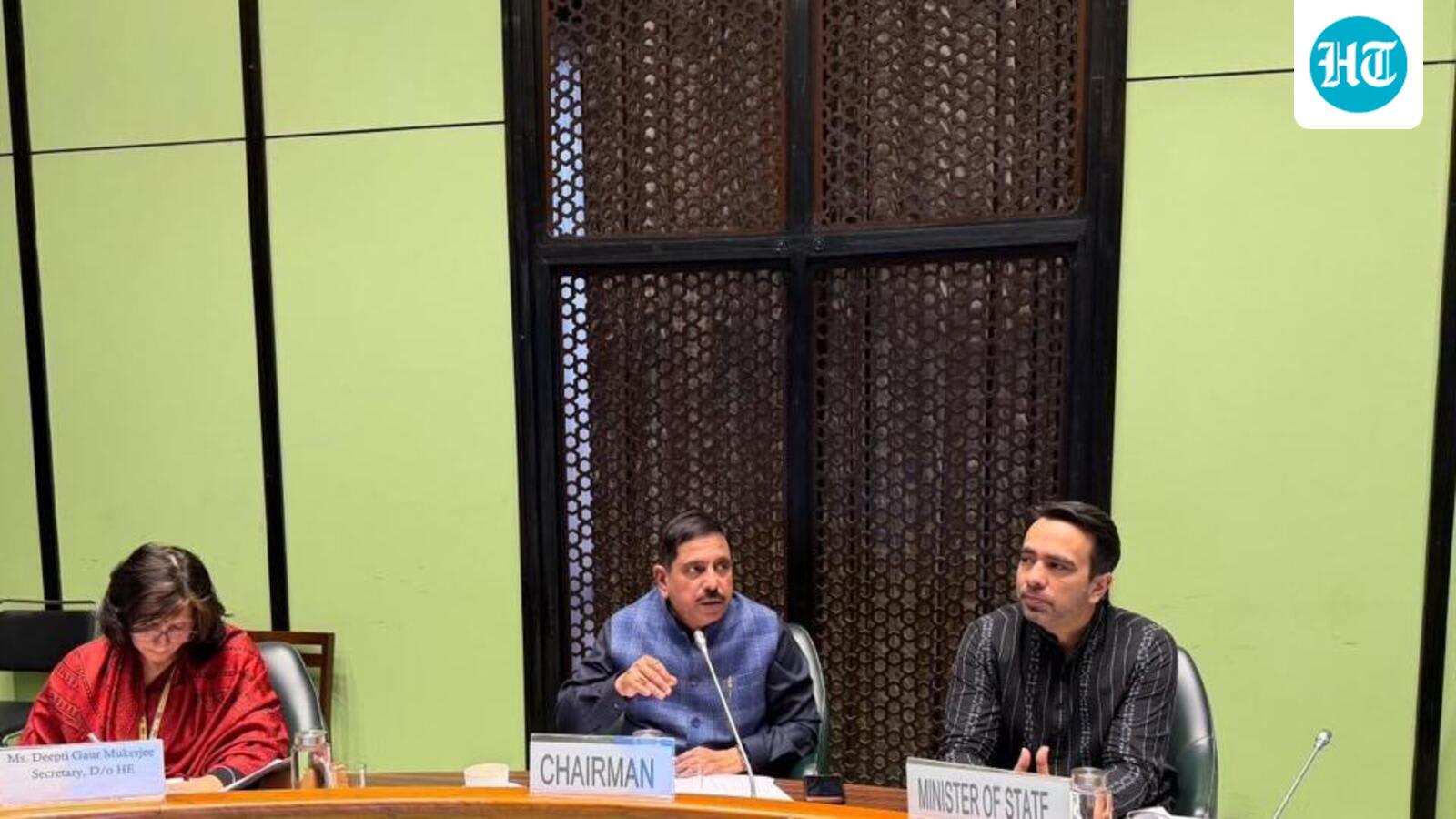
Union Education Minister Pralhad Joshi chaired a committee meeting to discuss internationalizing Indian education. The agenda focused on expanding Indian universities abroad and attracting international students to establish India as a global knowledge hub.
India's Strategic Shift Toward Global Education Integration
On November 25, 2026, Union Education Minister Pralhad Joshi convened the first meeting of the Parliamentary Consultative Committee on Education, setting a clear trajectory for the nation’s academic diplomacy. The primary focus of the session, titled "Internationalisation of Indian Education," signifies a robust shift in policy aimed at transforming India from a traditional exporter of students to a premier global knowledge hub. This initiative seeks to harmonize domestic educational frameworks with international standards, facilitating a bidirectional flow of students and academic institutions.
Scaling the Indian Educational Brand
Minister Joshi highlighted the growing international demand for CBSE-affiliated schools as a key indicator of the credibility and scalability of Indian educational programs. By leveraging the reputation of these established curricula, the government aims to create a blueprint for exporting higher education models. This strategy is not merely about expanding institutional footprints but is an effort to export the pedagogical rigor and cultural values that have defined the Indian school system for decades, effectively positioning Indian education as a viable global commodity.
Facilitating Campus Exchanges
A central pillar of the discussion involved the mutual facilitation of university campuses. The government is exploring frameworks to invite reputable foreign institutions to establish branches within India while simultaneously supporting domestic universities in their efforts to expand overseas. This reciprocal approach is designed to foster a competitive yet collaborative academic environment, encouraging domestic institutions to innovate while providing Indian students access to world-class research and teaching methodologies without the need for emigration.
Positioning as a Global Knowledge Hub
The long-term vision articulated during the meeting is the establishment of India as a central node in the global knowledge economy. By simplifying the regulatory environment for internationalization, the government hopes to attract a larger demographic of international students to Indian campuses. This influx is expected to diversify the academic landscape, enhance cultural soft power, and improve the global rankings of Indian universities through increased international collaboration and research output.
Future Trends and Economic Implications
Looking ahead, the successful implementation of these policies could significantly alter the economic landscape of the education sector. If India successfully scales its university presence globally, it will likely see an increase in foreign exchange earnings and a reduction in the "brain drain" phenomenon, as students find high-quality, globally recognized educational opportunities within their own country. The commitment to internationalization suggests that India is preparing for a future where academic mobility is a primary driver of diplomatic and economic strength.
Conclusion
In summary, the deliberations led by Minister Pralhad Joshi represent a proactive stance toward modernizing India's educational infrastructure. By focusing on the internationalization of both schools and universities, the government is laying the groundwork for a more globally integrated academic future. The success of these initiatives will depend on the government's ability to balance the influx of foreign influence with the preservation of domestic educational integrity, ultimately shaping India’s reputation as a leader in the global knowledge sphere.
Verification Required?