17 foreign universities get nod to set up campuses in India: Centre
Source Entity
Gayathri Mani
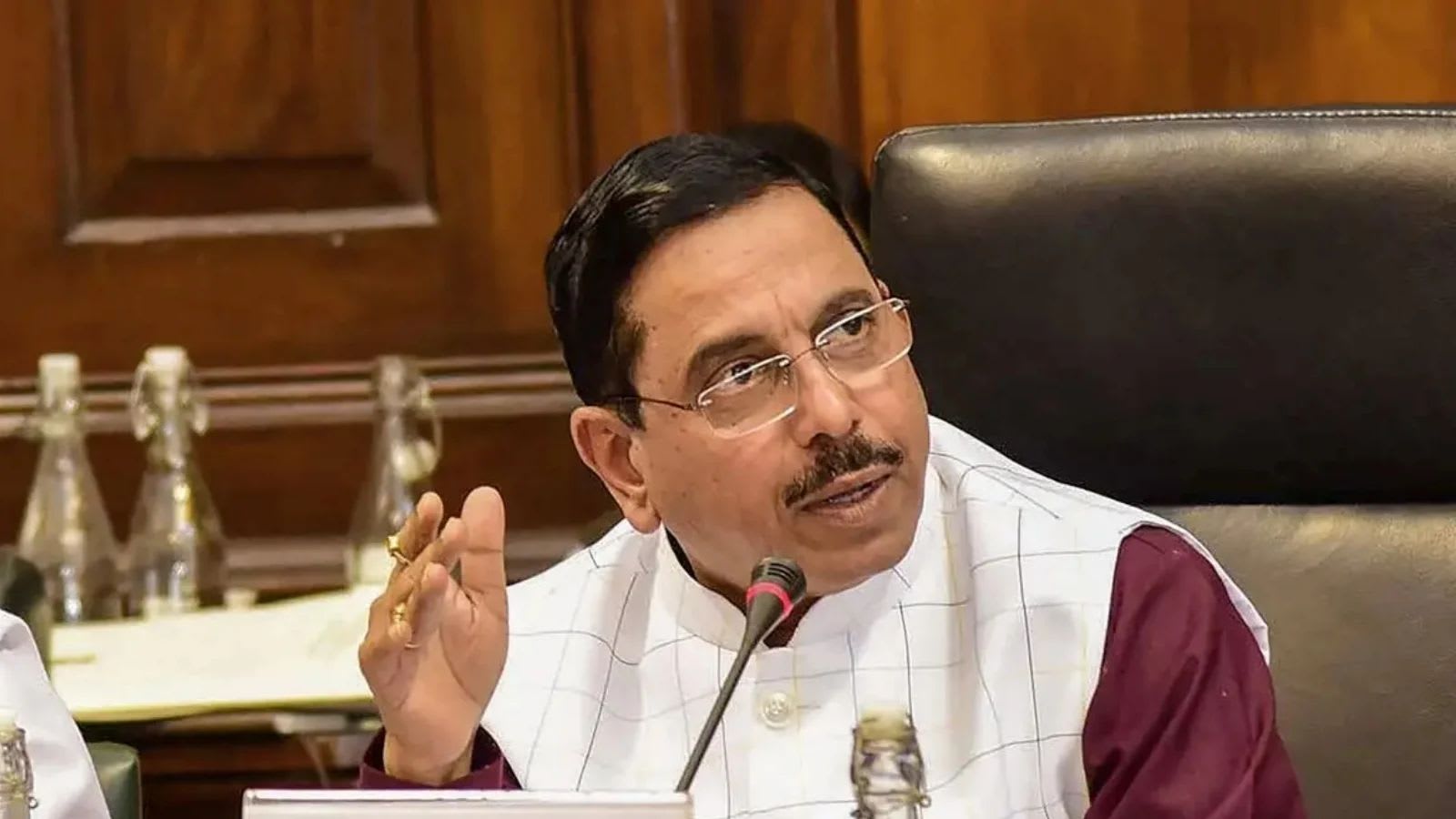
The Indian Ministry of Education has approved 17 new foreign university campuses while highlighting the fifth edition of the Kashi Tamil Sangamam. These initiatives reflect a dual focus on globalizing higher education and promoting national cultural integration.
India's Dual Approach: Globalizing Education and Strengthening Cultural Ties
Expanding the Global Higher Education Landscape
The Indian Ministry of Education has taken a significant step toward internationalizing the national higher education sector. With 21 foreign higher education institutions already operational and 17 additional universities receiving Letters of Intent (LoIs) under University Grants Commission (UGC) regulations, India is positioning itself as a burgeoning global academic hub. These incoming institutions represent a diverse academic coalition from the United Kingdom, the United States, Australia, and Italy, signaling a strategic intent to integrate global pedagogical standards with the Indian higher education framework.
Leveraging the Indian Knowledge System
Union Education Minister Pralhad Joshi emphasized that this expansion is not merely about importing external curricula but is rooted in the recognition of the Indian Knowledge System’s long legacy of global impact. By inviting international universities to set up physical campuses, the Ministry aims to create a symbiotic relationship where international expertise meets traditional Indian scholarship. This move is expected to enhance the country's research output and provide domestic students with world-class educational opportunities without the necessity of migrating abroad.
The Kashi Tamil Sangamam: A Cultural Bridge
Parallel to its academic reforms, the Ministry is actively fostering national unity through the Kashi Tamil Sangamam. Now in its fifth edition, this initiative—conceptualized by Prime Minister Narendra Modi in 2022—serves as a bridge between the cultural heritage of Tamil Nadu and the historical significance of Kashi (Varanasi). The overwhelming response, with over 46,000 applicants for only 1,400 spots, underscores the public's deep interest in exploring the interconnectedness of India’s regional identities.
Fostering Societal and Educational Engagement
The logistics of the fifth edition are extensive, involving seven groups of 200 participants each, drawn from diverse backgrounds including farmers, writers, students, and spiritual scholars. By facilitating travel from key regions like Kanyakumari, Chennai, and Coimbatore to Varanasi, Prayagraj, and Ayodhya, the government is creating a lived experience of cultural unity. Furthermore, the inclusion of a nationwide student engagement programme focused on the Thirukkural marks an evolution of the event, moving beyond mere tourism to structured intellectual and ethical learning.
Future Trends and Policy Implications
Looking ahead, the dual focus on global academic integration and domestic cultural outreach suggests a multi-faceted education policy. The government is clearly balancing the need for modern, internationally competitive education with the desire to preserve and promote indigenous values. As these 17 new foreign campuses begin operations, the success of the Kashi Tamil Sangamam model may serve as a template for how the Ministry intends to maintain social cohesion while aggressively pursuing modernization in the global academic arena.