IITs to add 6,000 seats in robotics, physical-AI, and space-tech from 2027 with Mehta Family Foundation
Source Entity
The Indian Express
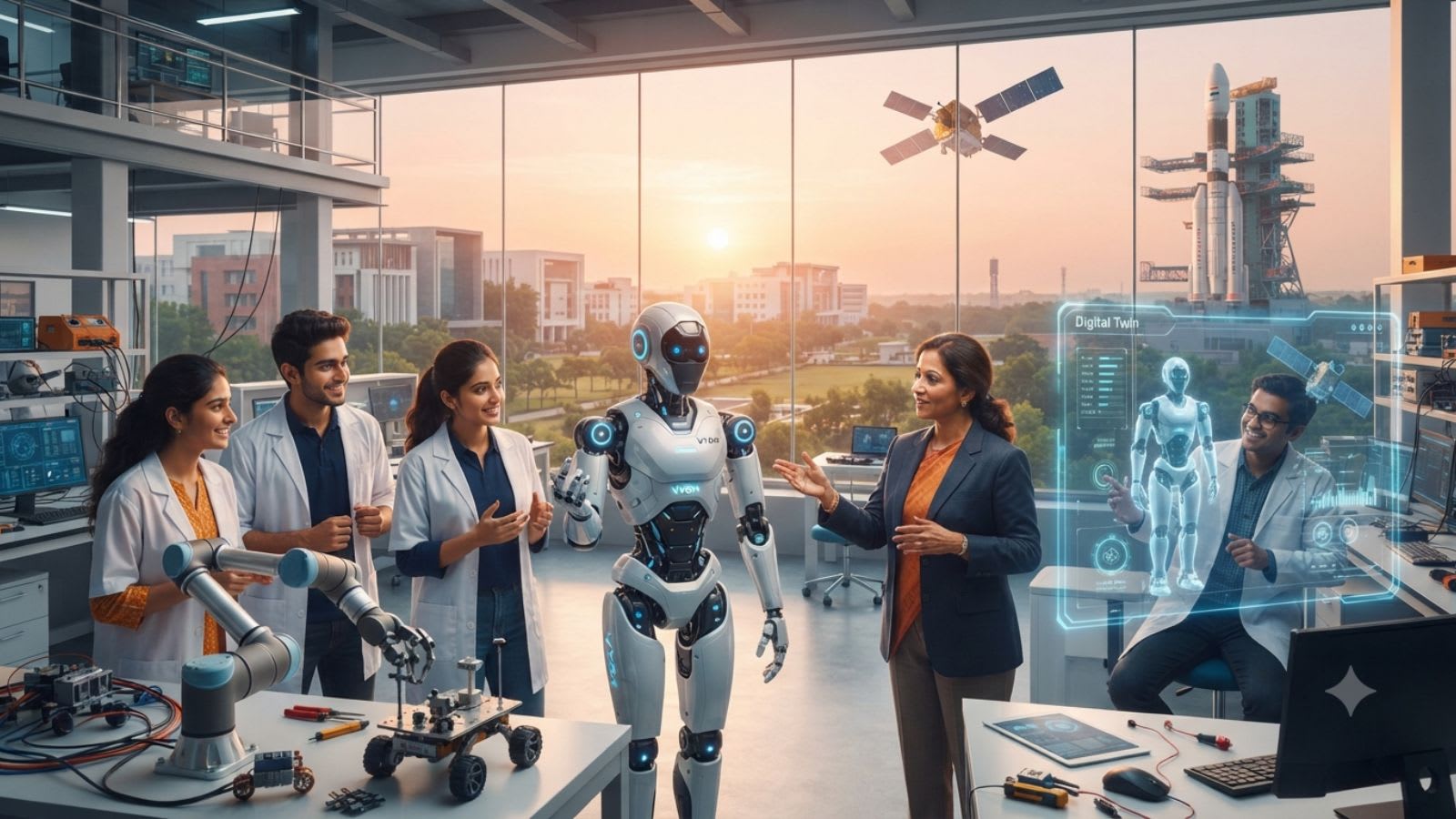
The IITs are partnering with the Mehta Family Foundation to introduce 6,000 new seats in Robotics, Physical AI, and Space Technology by 2027. This initiative aims to bolster high-tech research and education through extensive undergraduate, postgraduate, and doctoral programs.
Scaling India's Tech Frontier: The IIT-MFF Expansion
The Indian Institutes of Technology (IITs) are poised for a significant structural transformation in their academic offerings, with a strategic expansion targeting 6,000 new seats in specialized, high-growth domains. In collaboration with the Bhupat and Jyoti Mehta Family Foundation (MFF), this initiative aims to integrate advanced curricula in Robotics, Physical AI, and Space Engineering and Technology. This expansion, scheduled to commence in 2027, marks a pivotal shift toward aligning elite Indian engineering education with the rapidly evolving demands of the global technology landscape.
Strategic Distribution of Academic Seats
The initiative is meticulously planned to bridge the gap between theoretical research and applied industry needs. Out of the 6,000 total seats, the majority—5,000 positions—will be dedicated to the fields of Robotics and Physical AI. This breakdown includes 2,500 seats at the BTech level, 1,200 for Master’s degrees, and 1,300 for doctoral research. The remaining 1,000 seats will focus on Space Engineering and Technology, split between 500 BTech, 300 Master’s, and 200 PhD positions. By focusing heavily on doctoral research, the program ensures that India is building a robust pipeline of academic leaders and subject matter experts.
The Role of Private-Academic Partnerships
The Bhupat and Jyoti Mehta Family Foundation serves as the primary catalyst for this expansion. Having already established various centers across six IITs, the foundation is deepening its commitment to specialized technical education. This partnership model is essential in overcoming the resource-intensive barriers often associated with setting up cutting-edge laboratories in robotics and space tech. By leveraging private philanthropic support, the IITs can accelerate the development of state-of-the-art facilities that would otherwise face prolonged budgetary approval cycles.
Institutional Growth and Faculty Development
A project of this magnitude requires significant human capital. To support these 6,000 new students, the initiative is expected to involve more than 120 dedicated faculty members. This influx of academic talent is crucial to maintaining the rigorous standards associated with the IIT brand. Recruiting experts in highly niche fields like Physical AI—which bridges the gap between software algorithms and physical hardware systems—is a significant undertaking that will likely require global recruitment efforts to ensure the quality of instruction.
Broader Implications for India’s Tech Ecosystem
This expansion aligns with India's broader ambitions to become a global hub for deep-tech innovation. As global industries pivot toward automation, robotics, and the privatization of space, the demand for specialized engineering talent is at an all-time high. By institutionalizing these courses, the IITs are not only preparing students for immediate employment but are also fostering an environment conducive to startups and indigenous technology development. This move is a strategic hedge against the potential obsolescence of traditional engineering curricula in a post-AI world.
Future Trends and Conclusion
Looking ahead, this partnership sets a precedent for how public-private collaborations can reshape the higher education landscape in India. If successful, the 2027 rollout could serve as a blueprint for other technical universities to modernize their offerings. By prioritizing research-heavy disciplines like Physical AI and Space Engineering, the IITs are ensuring that India remains competitive in the next generation of industrial and scientific progress. The success of this program will ultimately depend on the seamless integration of these new faculty members and the ability of the IITs to translate these academic seats into tangible technological breakthroughs.