India’s ethanol vision needs a feedstock reality check
Source Entity
Madan Sabnavis
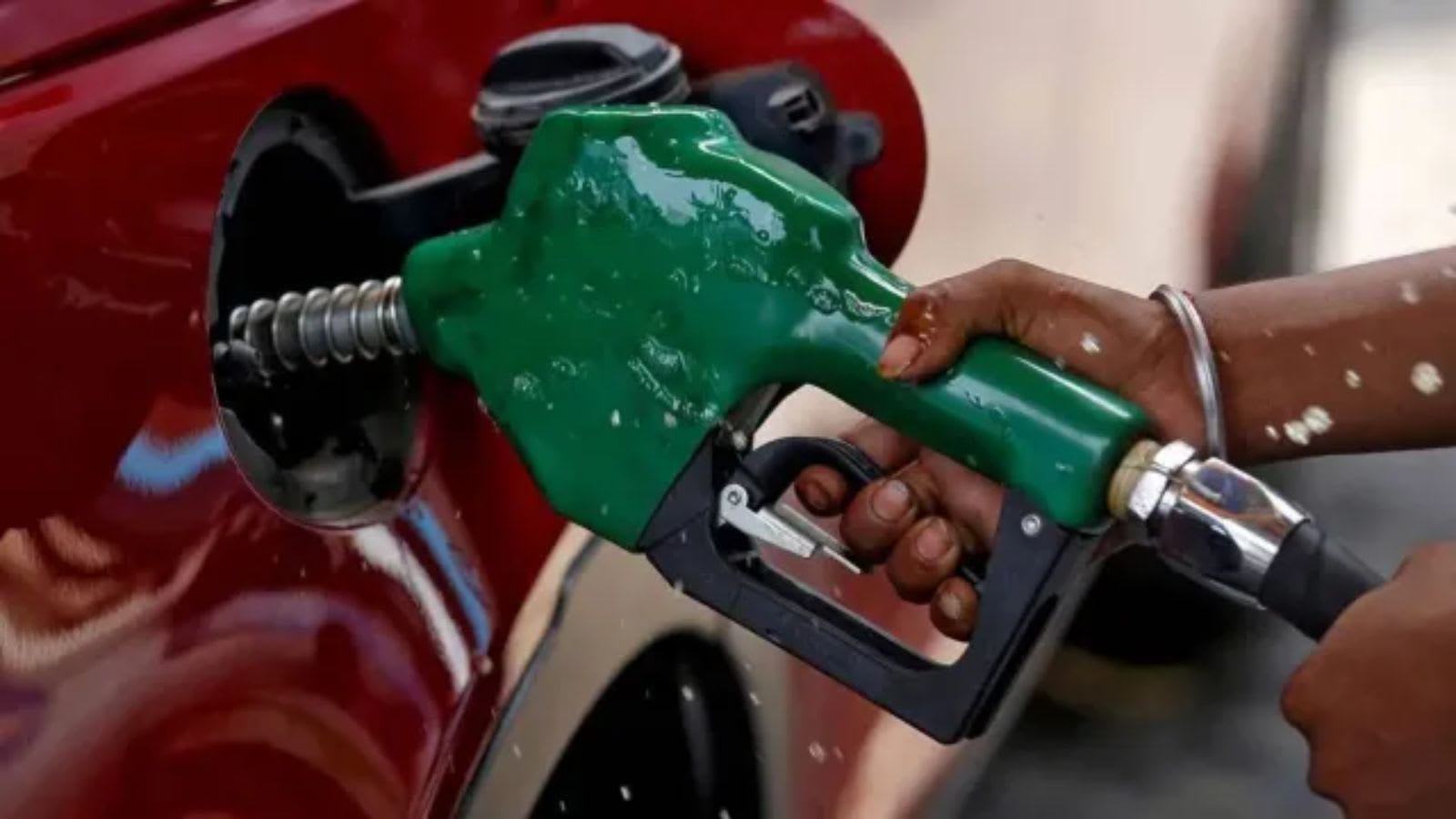
India's ambitious ethanol blending program faces significant challenges due to feedstock competition between fuel production and food supply. Balancing the use of maize, rice, and sugarcane is essential to manage rising sugar prices and ensure national energy security.
The Ethanol Dilemma: Balancing Energy and Food Security in India
India’s strategic pivot toward ethanol production, primarily driven by the national objective to reduce crude oil imports, has brought the country’s agricultural feedstock management into sharp focus. As the government incentivizes the blending of ethanol with fuel, the reliance on maize, rice, and sugarcane-derived products has created a complex economic landscape. With maize currently accounting for 45 percent of production, rice contributing 20-25 percent, and the remainder derived from sugar, the interdependency between energy policy and agricultural supply chains is undeniable.
The Feedstock Triad: Maize, Rice, and Sugar
The current composition of ethanol production in India reflects a deliberate diversification strategy. By utilizing maize as the primary feedstock, followed by rice and sugarcane, the government seeks to mitigate the risks associated with monoculture dependency. However, this diversity also means that the fuel program is inextricably linked to the volatility of three distinct agricultural markets. Each of these crops has different water requirements, seasonal cycles, and market demands, making the task of scaling ethanol production a logistical and economic balancing act.
The Sugar Price Paradox
Recent trends have shown a notable increase in sugar prices, which is partly attributed to the cyclical nature of sugar output. While market analysts often view such fluctuations as standard, the timing is critical. As ethanol production competes for sugarcane feedstock, the supply available for domestic sugar consumption can be affected. This creates a supply-side tension where the push for energy independence through ethanol production could inadvertently place upward pressure on consumer food prices, necessitating a more nuanced regulatory approach to feedstock allocation.
Implications for Crop Supplies
The broader concern for policymakers is whether the aggressive expansion of ethanol blending will place unsustainable pressure on crop supplies. If a significant portion of the harvest is diverted to fuel production, the potential for food inflation increases, particularly in staple crops like rice and maize. Historical precedent suggests that when agricultural commodities are repurposed for industrial energy use, the resulting market dynamics can lead to supply shortages if crop yields do not keep pace with the dual demand from the food and fuel sectors.
Future Trends and Strategic Outlook
Looking ahead, India’s ethanol vision requires a rigorous 'reality check' regarding feedstock sustainability. To avoid compromising food security, future trends will likely necessitate improvements in crop yield technology and the potential incorporation of second-generation (2G) biofuels, which utilize non-food agricultural waste. Balancing the economic incentives for farmers with the need for stable food prices will remain the central challenge for the government as it navigates the transition toward a cleaner, ethanol-blended energy future.