European Commission forwards proposals for signing India-EU FTA
Source Entity
Latest News: Todays Latest News Headlines from India & World | Hindustan Times | Hindustan Times
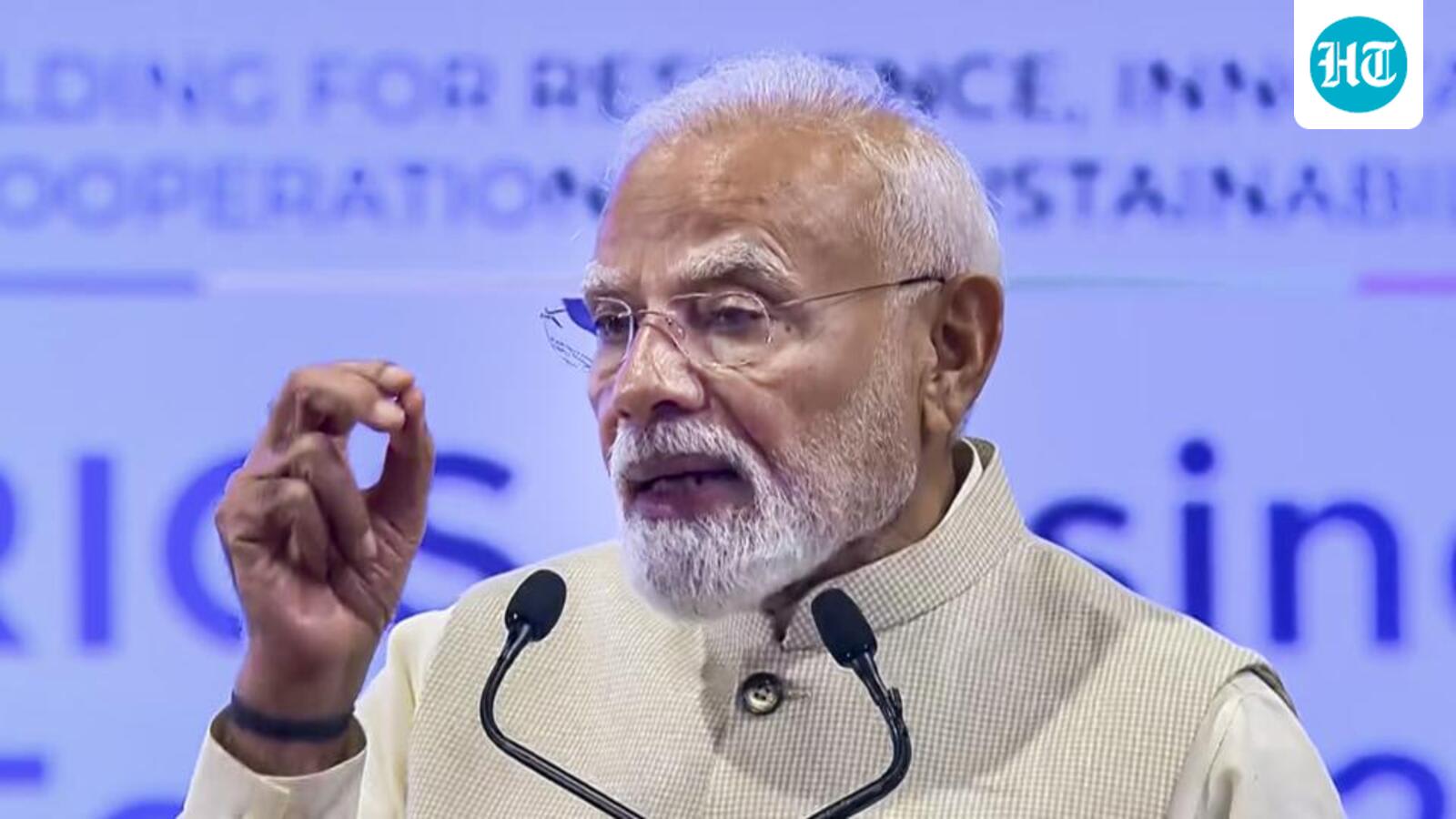
The European Commission has officially forwarded the India-EU Free Trade Agreement to the European Council for final authorization. This historic deal, expected to be signed by year-end, will eliminate tariffs on 96% of EU goods and is slated for implementation by 2027.
A Milestone for Global Trade: The India-EU FTA Progresses
The European Commission has taken a decisive step toward formalizing the Free Trade Agreement (FTA) with India by forwarding its proposals for signature and conclusion to the European Council. This procedural advancement signals the end of the rigorous legal vetting process that followed the conclusion of negotiations in January 2026. By moving the text to the European Council—the institution comprising the heads of state of the 27 EU member nations—the Commission has effectively set the stage for a final political endorsement.
The Path to the 'Mother of All Deals'
Negotiations for this landmark agreement were resumed in 2021 after a hiatus of nearly a decade, reflecting the evolving geopolitical and economic priorities of both New Delhi and Brussels. The deal, described by stakeholders as the "mother of all deals," represents a strategic recalibration of trade relations between two of the world's largest democratic economies. The recent submission of the proposal to the European Council is the penultimate gatekeeping mechanism before the agreement is presented to the European Parliament for its final vote.
Economic Implications and Tariff Reductions
The core of the agreement lies in its ambitious scope for market liberalization. Once ratified, the FTA is slated to eliminate tariffs on 96% of European Union goods exported to India. This comprehensive reduction is designed to facilitate a seamless flow of commerce, lowering costs for exporters and enhancing the competitiveness of European products in the rapidly growing Indian market. For India, the deal serves as a catalyst for integration into global value chains and a testament to its commitment to economic modernization.
Strategic Timeline and Future Outlook
The timeline for this agreement is aggressive yet structured. With the European Council now tasked with authorization, the formal signing ceremony is anticipated to take place at the end of the year, with Prime Minister Narendra Modi expected to visit Brussels for the occasion. Following the signing and subsequent parliamentary approval, the agreement is projected to enter into force in early 2027. This timeline underscores the urgency both parties feel in securing a predictable and stable regulatory environment for trade.
Geopolitical Significance
Beyond the mere reduction of trade barriers, the India-EU FTA is a significant geopolitical achievement. It signals a deepening of the strategic partnership between India and the EU, moving beyond mere bilateral cooperation into a framework of long-term economic alliance. By finalizing this deal, the EU is diversifying its supply chains and trade partners, while India is further positioning itself as a primary manufacturing and service hub for the European market.
Conclusion
The advancement of the India-EU FTA represents a triumph of diplomatic persistence and economic foresight. As the European Council reviews the proposal, the focus shifts toward the formal signing and the subsequent legislative ratification. If successfully implemented by 2027, this agreement will not only be the largest trade deal ever concluded between these two entities but will also set a new standard for international trade relations in an increasingly interconnected global economy.
Verification Required?