Analysis: Hot CPI puts Kevin Warsh’s Fed credibility on the line before rate decision
Source Entity
US Top News and Analysis
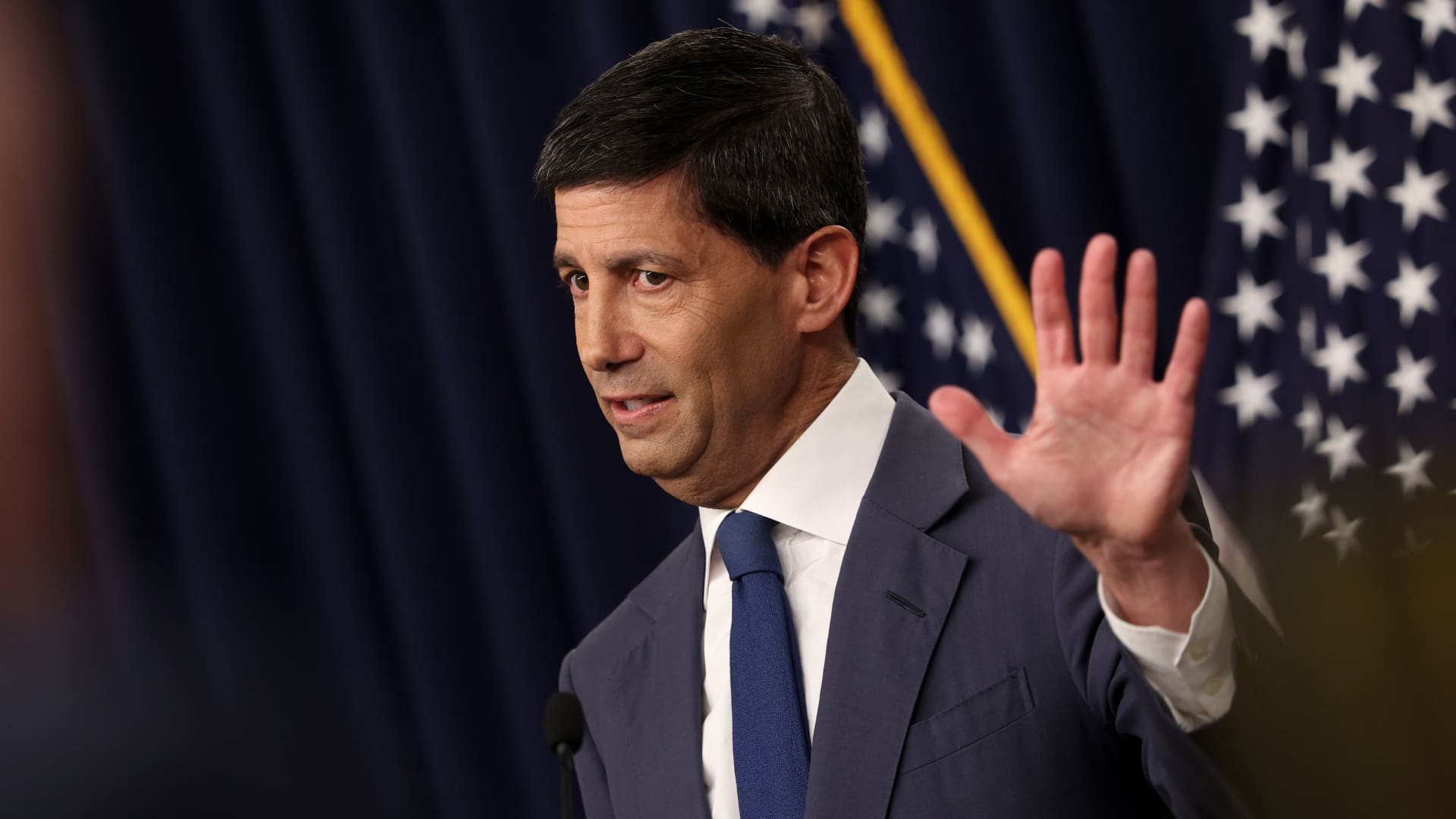
August's higher-than-expected CPI data has placed Federal Reserve Chairman Kevin Warsh in a precarious position regarding interest rate policy. He must now balance his previous inflation warnings against the necessity of maintaining market confidence in his leadership.
The Inflationary Impasse: A Test for the Fed
The release of the August Consumer Price Index (CPI) data has introduced significant volatility into the Federal Reserve’s upcoming policy deliberations. With core consumer prices rising by 0.3% and headline inflation climbing 0.4% month-over-month—representing a 3.4% year-over-year increase—the data has exceeded market expectations. This inflationary pressure creates a difficult environment for Chairman Kevin Warsh, as the central bank must now reconcile these cooling-resistant figures with its mandate for price stability.
The Credibility Dilemma
At the heart of the current crisis is the personal and institutional credibility of Kevin Warsh. Having previously signaled that interest rate hikes would be a necessary tool if inflation failed to moderate, Warsh now finds his rhetoric colliding with the reality of the August data. If he chooses to hold rates steady, he risks appearing detached from the data he previously emphasized; if he raises them, he must ensure the move is perceived as a calculated response rather than a reactive panic. The market’s perception of his control over the Federal Reserve’s direction hinges on this decision.
Analyzing the Core Drivers
By stripping out volatile food and energy components, the 0.3% rise in core CPI reveals a stubborn persistence in underlying price pressures. This suggests that inflation is not merely a byproduct of energy supply shocks but is deeply embedded in the broader economy. For the Fed, this is the most concerning metric, as it indicates that the current policy stance may not be sufficiently restrictive to dampen demand-side pressures. This necessitates a more aggressive posture from the FOMC to prevent inflation expectations from becoming unanchored.
The Strategic Wiggle Room
While Warsh has established a clear case for potential rate hikes, he has been careful to avoid making explicit promises regarding the timing of such actions. This strategic ambiguity was intended to grant the Fed the flexibility to adapt to incoming data. However, the 'hot' nature of the August report has effectively exhausted that wiggle room. The upcoming meeting is no longer just about adjusting a percentage point; it is a referendum on the Fed’s commitment to its stated inflation targets and Warsh’s ability to guide the central bank through inflationary headwinds.
Future Implications and Market Sentiment
Looking ahead, the decision made at next week’s meeting will set the tone for monetary policy for the remainder of the fiscal year. Should the Fed prioritize growth by holding rates, it may invite further inflationary spikes; conversely, an aggressive hike could risk cooling the economy faster than anticipated. Investors are watching closely to see if Warsh can successfully navigate this narrow path, as his ability to maintain market confidence will be a primary determinant of short-term economic stability.