Nepal Flash Flood LIVE Updates: 3rd Flight With Assistance From India Reaches Kathmandu
Source Entity
NDTV News Search Records Found 1000
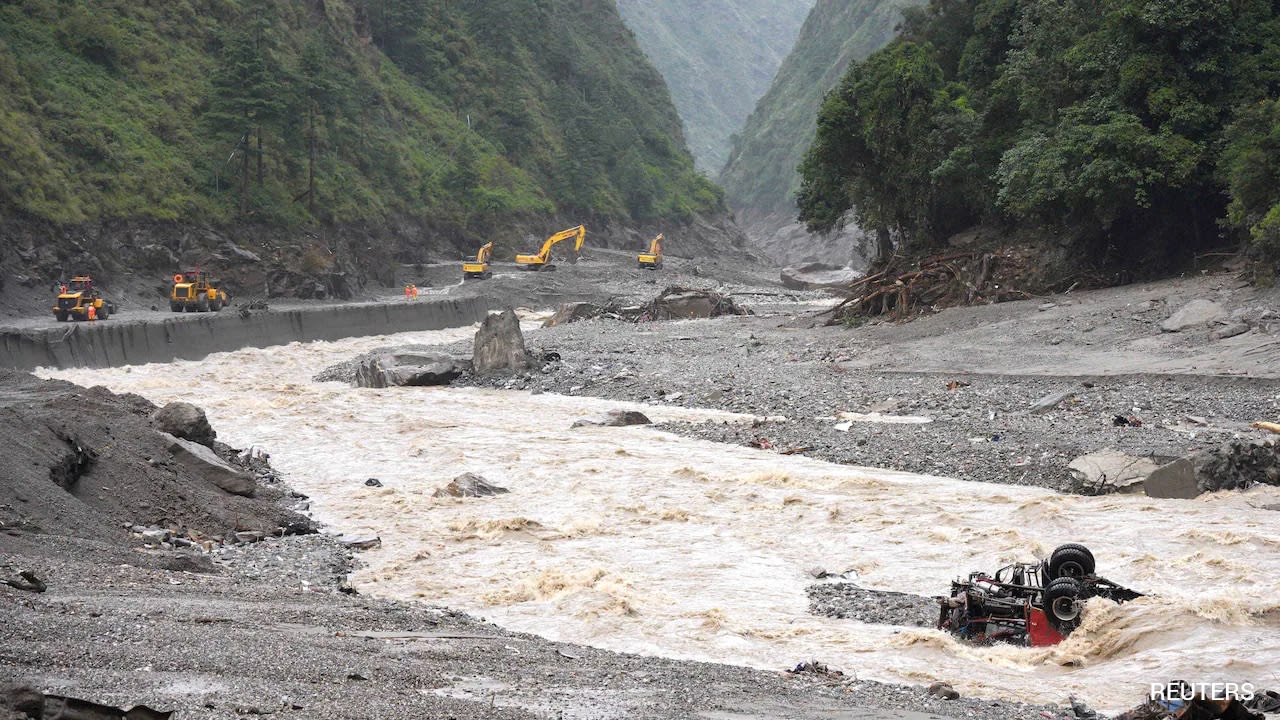
Northern India faces a dual crisis: impending flood risks from Nepal's flash floods and communal tension in Rae Bareli following the desecration of an Ambedkar statue. Authorities in both regions have deployed resources to manage public safety and maintain order.
Regional Crisis: Environmental and Social Challenges in Northern India
Escalating Flood Risks Across the Indo-Nepal Border
Northern India is currently grappling with a severe environmental alert as flash floods in Nepal threaten to disrupt the hydrological balance of several major river systems. The sudden release of water from barrage gates in Nepal, coupled with intense precipitation, has necessitated high-alert status for districts in Uttar Pradesh, Bihar, and Uttarakhand. The geographical interconnectedness of these regions means that the disaster occurring 200 km north of the Indian border has immediate, tangible consequences for downstream populations.
Impact on River Systems and Human Safety
The hydrological trajectory of the Trishuli, Gandak, and Narayani rivers remains a primary concern for disaster management authorities. With the Trishuli river absorbing significant discharge from the Bhote Koshi, the downstream flow into the Gandak and Kosi rivers is expected to surge. Beyond the infrastructure concerns, the human cost is mounting, with reports of dozens of fatalities in Nepal and nearly 400 tourists, including over 100 Indian nationals, reported missing. This highlights the vulnerabilities of cross-border tourism and infrastructure in mountainous terrains.
Social Unrest in Raebareli
Simultaneously, the state of Uttar Pradesh is contending with localized social friction in the village of Baburiha, Raebareli. The desecration of a statue of Dr. B.R. Ambedkar, a pivotal figure in Indian history and social reform, has sparked significant public anger. The act of smearing mud and soot on the statue during the night has prompted the local community to demand swift justice, viewing the incident as an affront to their social and political sentiments.
Law Enforcement Response and Community Stability
In response to the tension in Baburiha, law enforcement agencies have moved quickly to prevent the situation from escalating into widespread civil unrest. The presence of the Additional Superintendent of Police and the local Circle Officer at the site underscores the gravity with which the administration views such incidents. By deploying police forces and promising a transparent investigation, the state aims to restore order and address the grievances of the local residents who hold the memory of Dr. Ambedkar in high esteem.
Broader Implications and Future Trends
These two distinct events—one environmental and the other sociopolitical—illustrate the complex management challenges facing Indian district administrations. While the flood situation demands robust inter-state and international coordination regarding water management and early warning systems, the incident in Raebareli underscores the need for continuous community engagement to prevent communal disharmony. Both scenarios emphasize the reliance of public order on rapid administrative response and transparent communication between the state and its citizens during times of heightened vulnerability.
Multiple Citing Sources
Verification Required?