Nepal floods put focus on India’s glacial lakes; 200 of 7,500 at high risk
Source Entity
PRADEEP THAKUR
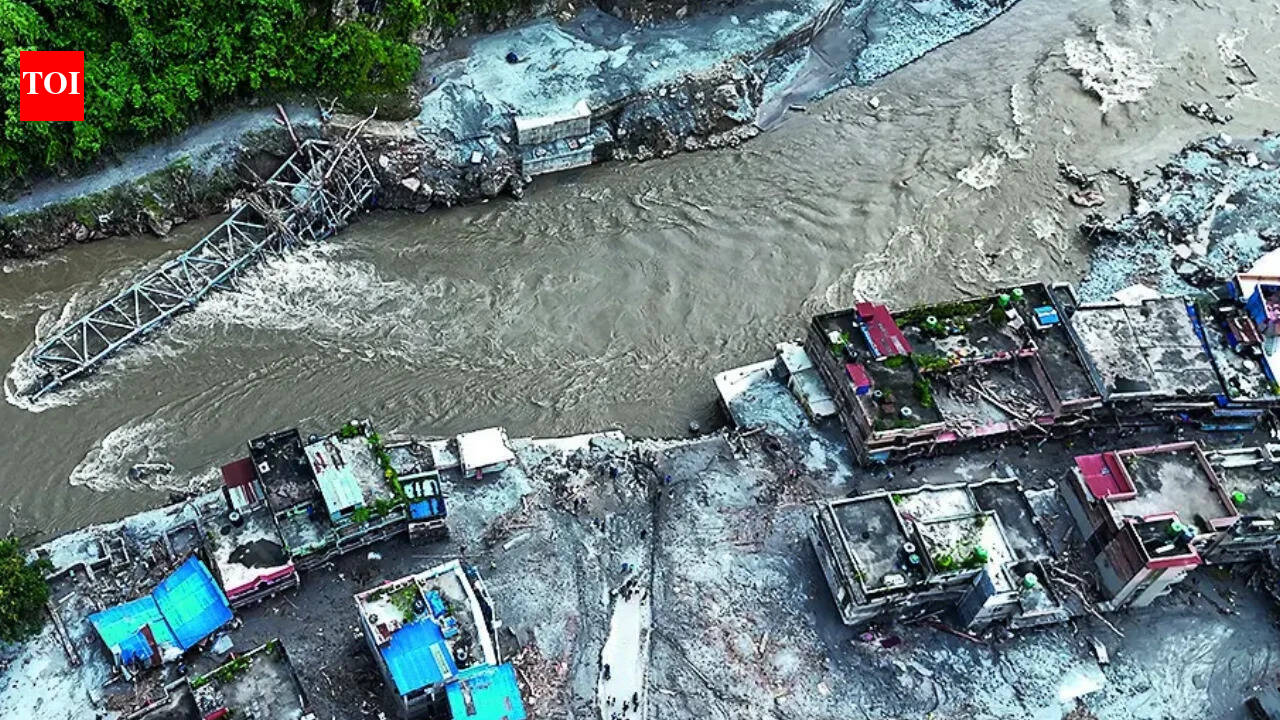
The October 2023 South Lhonak Lake outburst in Sikkim highlighted the devastating long-term impacts of glacial floods on local infrastructure and public health. This disaster has prompted India to prioritize a national mitigation program for its 200 high-risk glacial lakes.
The Hidden Toll of Glacial Lake Outburst Floods (GLOF)
The catastrophic outburst of South Lhonak Lake in north Sikkim on October 3, 2023, serves as a grim case study in the multifaceted nature of natural disasters. When the wall of water and debris surged down the Teesta river corridor, the immediate physical destruction was total: homes were erased, and the Chungthang hydropower dam was decimated. While official records confirmed over 50 deaths, the true human cost extended far beyond those counted in the immediate aftermath of the flood.
Beyond the Immediate Destruction
While global media cycles focused on the physical wreckage for a mere 48 hours, the long-term reality for survivors was one of systemic collapse. As seen in the case of a young man in Teesta Bazaar, the disaster triggered a secondary crisis: the collapse of essential medical infrastructure. The loss of insulin, medical records, and the disruption of the cold chain for medication demonstrate that a GLOF does not merely destroy buildings; it dismantles the fragile health systems that keep vulnerable populations alive long after the water recedes.
The Himalayan Risk Profile
This event has catalyzed a critical re-evaluation of India’s vulnerability to glacial instability. The Himalayan mountain range currently hosts approximately 7,500 glacial lakes, with about 200 identified as high-risk. Specifically, the Sikkim region contains 10% of these formations, with 25 lakes categorized as 'very high-risk.' These figures represent a looming environmental challenge that requires a shift from reactive emergency responses to proactive, long-term mitigation strategies.
Institutional Response and Mitigation
In response to the recurring threat—highlighted further by recent flooding events in Nepal—the Indian government has initiated the National GLOF Risk Mitigation Programme. This policy shift prioritizes comprehensive risk assessments, continuous satellite monitoring, and the installation of robust early warning systems. The goal is to move beyond mere disaster management toward a framework of community-based resilience that acknowledges the unique geography of the Himalayas.
Future Trends and Policy Implications
Moving forward, the intersection of climate change and glacial stability will remain a defining challenge for South Asia. The integration of early warning systems with public health infrastructure is essential to prevent secondary humanitarian crises. As the National GLOF Risk Mitigation Programme gains traction, the focus must remain on the 200 identified high-risk sites to ensure that the mistakes of the past are not repeated, and that the health and safety of river-corridor communities are protected against the inevitable consequences of a warming climate.