Indian oil refiners are now sending ships into Hormuz to get cheaper oil - here's why
Source Entity
SMRITI JAIN
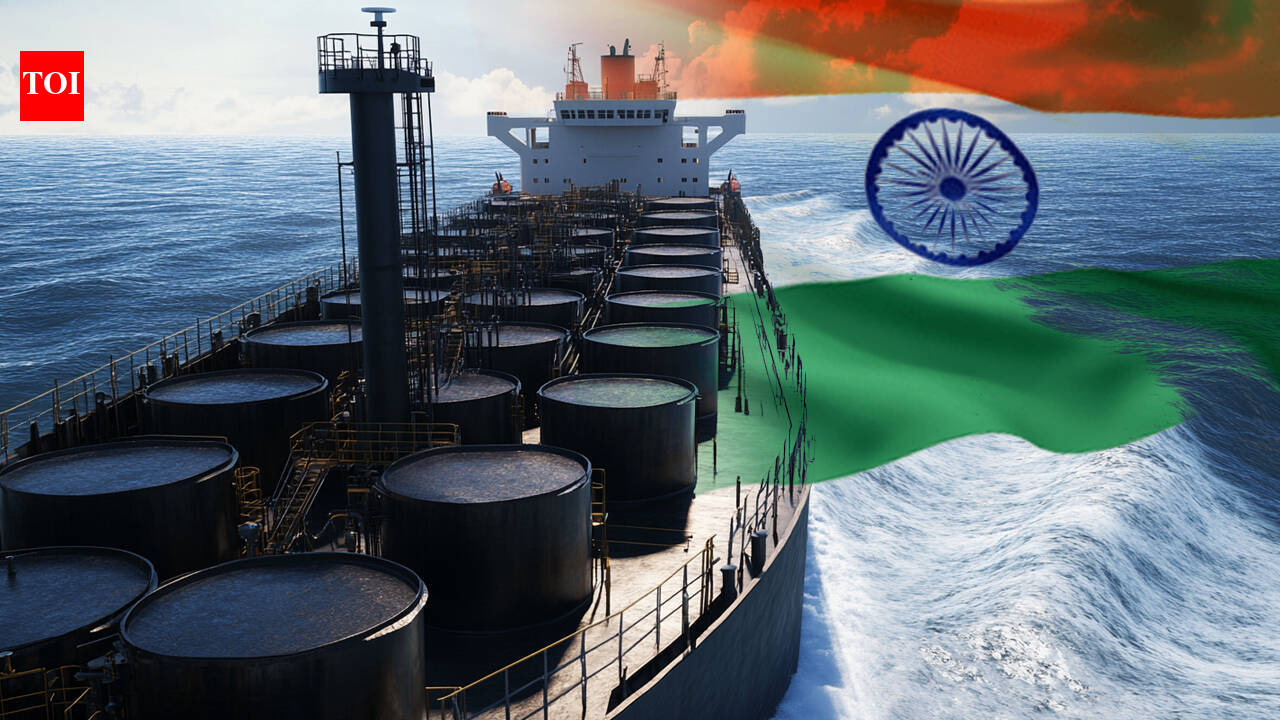
Indian oil refiners are increasingly chartering their own tankers to collect crude directly from the Persian Gulf. This strategic shift aims to reduce procurement costs and enhance the stability of India's energy supply chains.
India’s Strategic Pivot in Crude Procurement
Indian oil refiners have recently initiated a significant shift in their logistics strategy by directly chartering tankers to navigate the Strait of Hormuz. By bypassing traditional intermediaries and taking control of the transport phase, these companies are aiming to secure crude oil directly from the source within the Persian Gulf. This move signifies a departure from conventional procurement methods and highlights a growing emphasis on operational autonomy in the energy sector.
Economic Drivers and Cost Optimization
The primary driver behind this logistical adjustment is the pursuit of cost efficiency. By managing the chartering process, Indian refiners can exert greater control over freight expenditures, which have historically been a volatile component of total import costs. In a global market where margins for downstream refining are often razor-thin, securing cheaper access to crude is essential for maintaining competitive pricing and profitability in the domestic market.
Enhancing Energy Security and Reliability
Beyond immediate cost savings, this strategy serves as a critical measure to strengthen the reliability of India's energy supply chains. The Strait of Hormuz is one of the world's most vital maritime chokepoints, and disruptions there can have cascading effects on global energy prices. By proactively managing their own shipping routes, Indian refiners are insulating themselves against supply chain bottlenecks and ensuring a more consistent flow of crude, which is vital for the nation's energy security.
Responding to Market Stabilization
This tactical change has been made possible by a recent recovery in oil flows through the Strait of Hormuz. As regional transit conditions have stabilized over the past few months, Indian firms have found a window of opportunity to optimize their logistics. This recovery provides the necessary confidence for refiners to commit to long-term chartering agreements, reflecting a calculated response to improved maritime conditions.
Broader Implications for Global Trade
India's decision to take a more hands-on approach to crude transport has significant implications for the global shipping and energy markets. It suggests that major importers are increasingly prioritizing supply chain vertical integration to mitigate external risks. As India continues to expand its refining capacity to meet rising domestic demand, this model of direct logistics management may become a standard practice rather than an exception.
Future Trends in Energy Logistics
Looking ahead, this shift could trigger a broader trend among emerging market economies to secure their own logistical infrastructure. As global energy dynamics continue to evolve, the ability to control the transport of raw materials will likely become a key indicator of an nation's economic resilience. By securing supply lines through the Persian Gulf today, Indian refiners are positioning themselves to better navigate the complexities of future global energy markets.