India Sends 3-Part Peace Plan To End Russia-Ukraine War. What's In It
Source Entity
NDTV News Search Records Found 1000
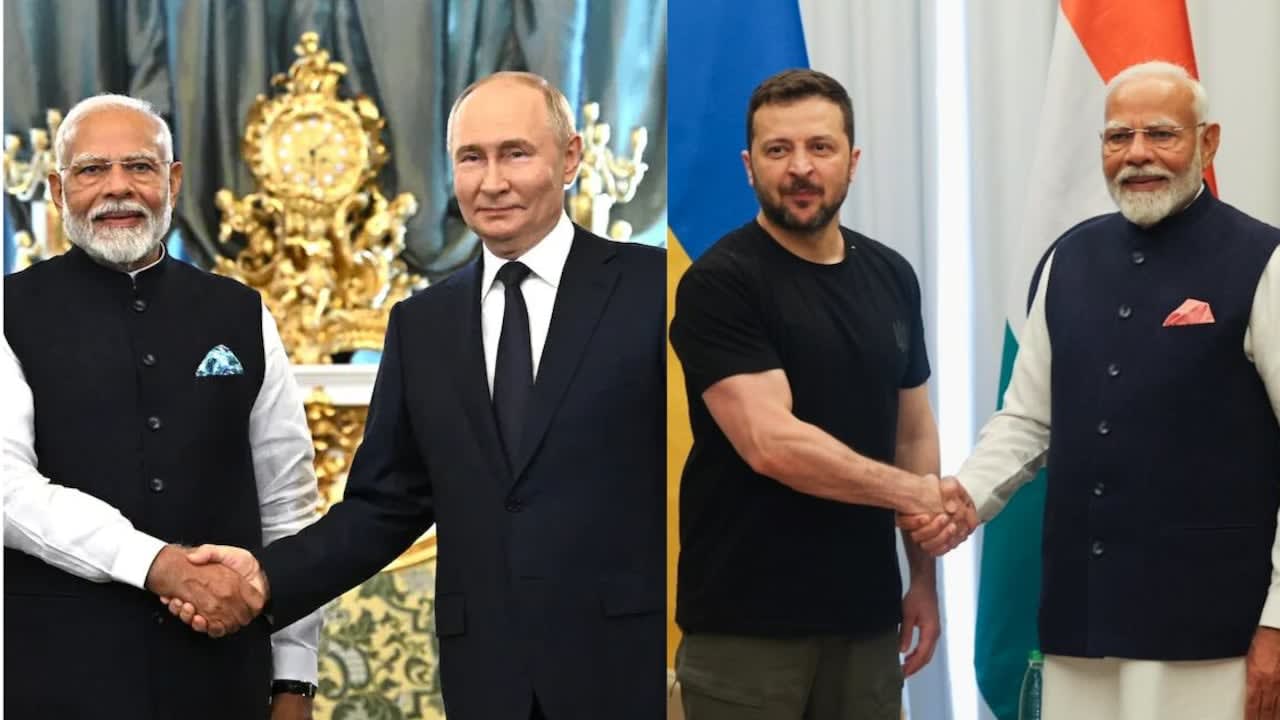
India has proposed a comprehensive three-part truce plan to stabilize global energy and grain security amid the Russia-Ukraine conflict. The proposal, discussed during high-level meetings in Kyiv, focuses on securing critical infrastructure and protecting Black Sea transit routes.
India’s Strategic Diplomatic Pivot in the Russia-Ukraine Conflict
India has recently emerged as a pivotal diplomatic intermediary in the ongoing Russia-Ukraine war, moving beyond its traditional stance of advocacy to present a substantive, three-part ceasefire proposal. During External Affairs Minister S. Jaishankar’s historic visit to Kyiv on September 3—the first stand-alone trip by an Indian foreign minister since the conflict's escalation—the framework was introduced to both President Volodymyr Zelensky and Foreign Minister Andrii Sybiha. This move signals a significant evolution in India's foreign policy, shifting from a passive observer to an active architect of potential regional stability.
Prioritizing Commodity Security and Infrastructure
At the core of the Indian proposal is an urgent focus on commodity security, specifically the protection of grain exports and energy infrastructure. Ukraine has signaled a willingness to consider various ceasefire formats, provided that any agreement guarantees an end to strikes on vital port facilities and energy grids. The vulnerability of the Black Sea transit routes remains a primary concern for international food security, and India’s intervention seeks to insulate these commercial lifelines from the kinetic intensity of the ongoing military operations.
A Comparative Analysis of Peace Initiatives
Ukrainian Foreign Minister Andrii Sybiha has explicitly categorized the Indian proposal as the "most comprehensive" among the various ceasefire frameworks currently under consideration, which include initiatives from Egypt, Turkey, and the United States. While the specifics of the three-part plan are being refined through ongoing, private diplomatic channels, the endorsement from Kyiv highlights the perceived value of India’s unique position. As a nation that maintains functional relations with both Moscow and Kyiv, India possesses a rare diplomatic leverage that Western-led initiatives often struggle to exercise.
The Mechanics of Practical Diplomacy
Unlike previous international efforts that often stalled due to rigid preconditions, the Indian approach is characterized by 'practical discussions.' The acknowledgment of follow-up exchanges between India, Russia, and Ukraine suggests that the proposal is not merely a symbolic gesture but a living document subject to negotiation. By focusing on tangible, actionable steps like infrastructure protection, India is attempting to create a 'common ground' framework that addresses the immediate humanitarian and economic needs of both belligerents.
Broader Implications and Future Trends
If successful, this initiative could redefine India’s role in global conflict resolution, moving it into the league of traditional power brokers. By emphasizing the stability of global supply chains, India is aligning its peace efforts with the interests of the Global South, which has been disproportionately affected by the volatility in grain and energy markets. Looking ahead, the success of this proposal will likely depend on Russia’s receptivity to these terms and the ability of the parties to maintain these 'practical discussions' despite the volatile battlefield realities.
Conclusion
India’s three-part truce proposal represents a sophisticated attempt to decouple essential economic infrastructure from the broader geopolitical conflict. By placing the security of grain and energy at the forefront of the conversation, New Delhi is offering a pragmatic pathway that could potentially mitigate the worst humanitarian impacts of the war. While the path to a lasting peace remains fraught with complexity, India’s active engagement marks a critical step toward de-escalation and regional stabilization.
Verification Required?