'Both vessels carried 30 Indian seafarers': MEA condemns Iranian attack in Hormuz that killed sailor
Source Entity
TOI NEWS DESK
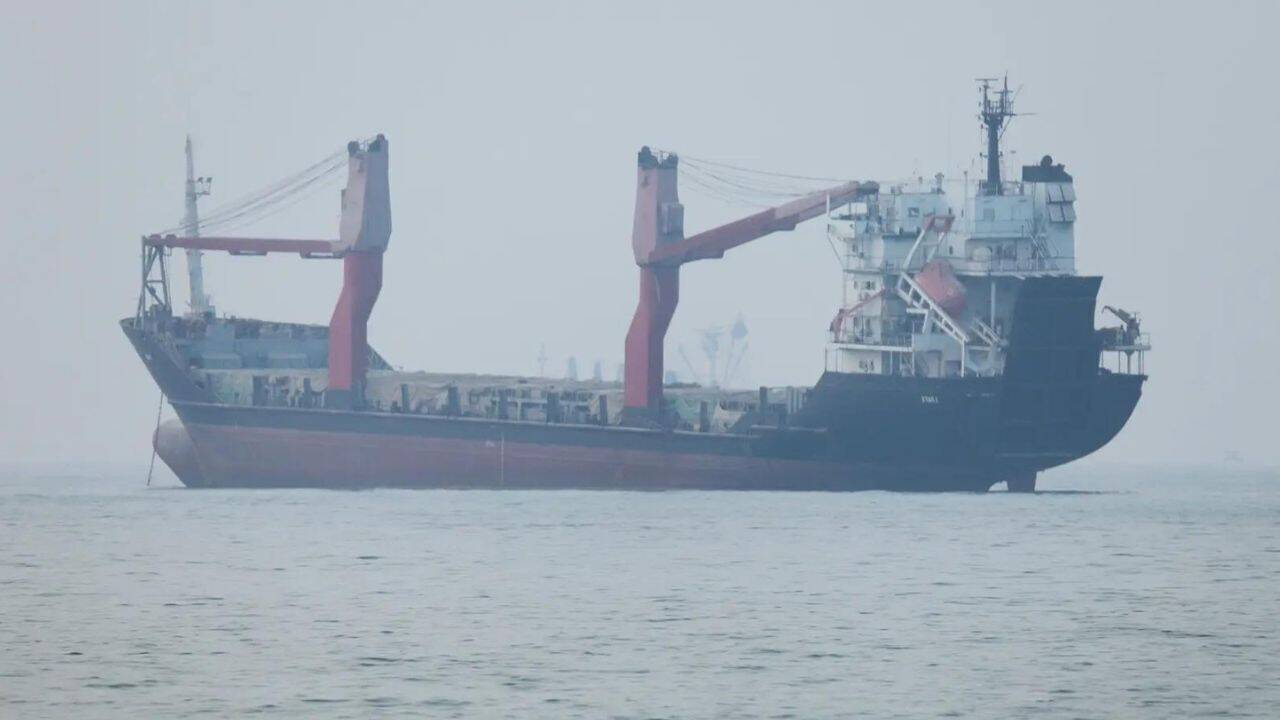
India registered a strong protest against continued attacks on vessels carrying Indian seafarers. Two vessels, MT Al Bahiyah and MT Mombasa, were attacked in the Strait of Hormuz. One Indian national tragically lost his life while others sustained injuries during the attacks. The ministry summoned Iran's deputy chief of mission to lodge a strong protest. India calls for an immediate cessation of violence and a return to dialogue.
Diplomatic Escalation Following Maritime Attacks in the Strait of Hormuz
The recent attacks on the vessels MT Al Bahiyah and MT Mombasa in the Strait of Hormuz have triggered a significant diplomatic response from the Government of India. With 30 Indian seafarers on board the two targeted ships, the human cost of this geopolitical volatility has become starkly apparent, resulting in the tragic death of one Indian national and injuries to several others. This incident underscores the extreme vulnerability of merchant mariners who often find themselves as collateral damage in regional power struggles, despite their non-combatant status.
The Severity of the Indian Diplomatic Response
The decision by the Ministry of External Affairs (MEA) to summon Iran's deputy chief of mission is a calculated and severe diplomatic signal. In the realm of international relations, summoning a foreign mission's representative to lodge a formal protest is a step beyond a standard press release; it indicates that the incident has crossed a threshold of national tolerance. By explicitly condemning the "continued attacks" on vessels carrying Indian citizens, India is signaling that the safety of its diaspora and workforce at sea is a non-negotiable priority, regardless of the complex geopolitical alignments in the Persian Gulf.
The Strategic Volatility of the Strait of Hormuz
To understand the gravity of this event, one must consider the historical and strategic importance of the Strait of Hormuz. As the world's most critical oil transit chokepoint, the strait is frequently used as a lever of political pressure. The pattern of vessel seizures and attacks in this region often mirrors the fluctuating tensions between Iran and its regional or global adversaries. For India, which relies heavily on energy imports from the Gulf, stability in this corridor is not just a matter of citizen safety but a core component of national energy security and economic stability.
Balancing Geopolitical Interests
India has historically maintained a delicate balancing act in its relations with Iran, navigating the pressures of Western sanctions while attempting to maintain strategic partnerships for regional connectivity. However, this attack forces a recalibration of that approach. The MEA's demand for an "immediate cessation of violence" suggests that India will not allow its strategic patience to be mistaken for indifference. The incident highlights the precarious position of India as a major provider of skilled maritime labor, as its seafarers are deployed globally on vessels that may be flagged in different nations but remain subject to local geopolitical hostilities.
Broader Implications for Maritime Security
This event serves as a grim reminder of the systemic failures in protecting civilian shipping in contested waters. When merchant vessels like the MT Al Bahiyah and MT Mombasa become targets, it increases the risk profile for all maritime trade in the region. Such attacks typically lead to spiked insurance premiums (War Risk Surcharges) and can disrupt global supply chains. Furthermore, it emphasizes the need for stronger international adherence to the United Nations Convention on the Law of the Sea (UNCLOS) to ensure the safe passage of commercial vessels and the protection of the crews operating them.
Conclusion and Future Outlook
In summary, the attack in the Strait of Hormuz has transitioned from a regional security concern to a direct diplomatic friction point between New Delhi and Tehran. India's insistence on a return to dialogue indicates a preference for a diplomatic resolution over escalatory measures, yet the firmness of the protest reveals a low tolerance for the loss of Indian lives. Moving forward, India is likely to increase its maritime surveillance and coordination with international naval coalitions to better protect its seafarers, while continuing to pressure regional actors to decouple commercial shipping from political disputes.