NCR developers see limited impact of 25-bps repo rate hike; expect festive housing demand to remain steady
Source Entity
Latest News: Todays Latest News Headlines from India & World | Hindustan Times | Hindustan Times
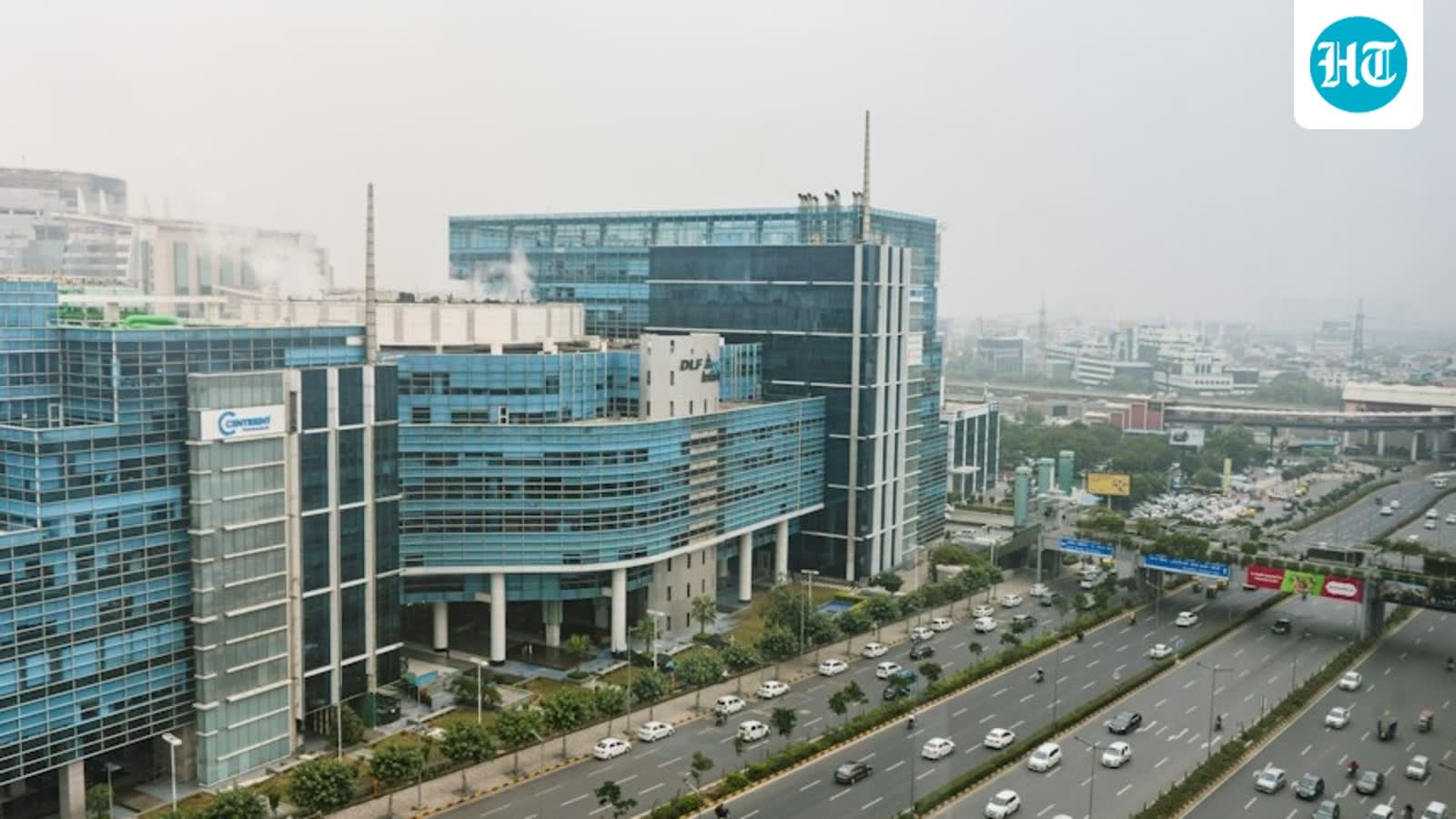
The Indian real estate sector faces a dual reality: steady festive demand in the NCR despite repo rate hikes, contrasted against a 2.7% rise in national unsold housing inventory. While premium segments in Gurugram remain resilient, high supply levels in regions like Mumbai continue to challenge market equilibrium.
The Dual Reality of India's Real Estate Market
Resilience Amidst Monetary Tightening
The recent decision by the Reserve Bank of India (RBI) to increase the repo rate by 25 basis points to 5.50% has prompted a nuanced response from the real estate sector. In the National Capital Region (NCR), developers remain optimistic, maintaining that the move is unlikely to derail housing demand. This sentiment is rooted in the belief that end-user demand, bolstered by improved infrastructure and resilient economic fundamentals, will continue to drive the market through the festive season.
The Insulation of Premium Segments
An interesting trend emerging from the NCR, particularly in Gurugram, is the divergence between market segments. Premium and luxury housing appear to be largely insulated from the marginal rise in equated monthly installments (EMIs). For buyers in these segments, the decision to purchase is often driven by long-term asset value and lifestyle considerations rather than minor fluctuations in interest rates, allowing this specific niche to remain robust even as borrowing costs climb.
The Challenge of Inventory Accumulation
While the NCR maintains a positive outlook, the broader national picture reveals significant supply-side challenges. A report by Liases Foras indicates that pan-India unsold residential inventory has climbed by 2.7%, reaching over 865,000 units by the end of the first half of the current fiscal year. This accumulation of unsold stock highlights the potential for a cooling effect in markets where supply growth has outpaced actual absorption rates.
Regional Disparities: The MMR Case Study
The Mumbai Metropolitan Region (MMR) serves as a critical example of current market pressures, accounting for approximately 30% of the total national unsold housing stock. Despite flat sales figures—showing a marginal decline of 0.1%—developers in the region significantly ramped up supply, with new launches rising by 18.7% to 30,262 units in Q2. This mismatch between aggressive new supply and stagnant sales velocity has led to a steady increase in unsold inventory, currently sitting at 260,629 units.
Macro-Economic Implications and Future Trends
The interplay between rising interest rates and inventory levels suggests a period of transition for the Indian real estate sector. While the NCR’s infrastructure-led growth provides a buffer, the national trend of rising unsold units suggests that developers may soon need to recalibrate their launch strategies. The long-term trajectory will likely depend on whether the demand for end-user housing can keep pace with the current surge in new residential supply, or if developers will be forced to adjust pricing strategies to clear the mounting backlog of units.
Multiple Citing Sources
Verification Required?