Wholesale banana prices dip in drought-hit Jalgaon amid West Asia export disruption
Source Entity
Latest News: Todays Latest News Headlines from India & World | Hindustan Times | Hindustan Times
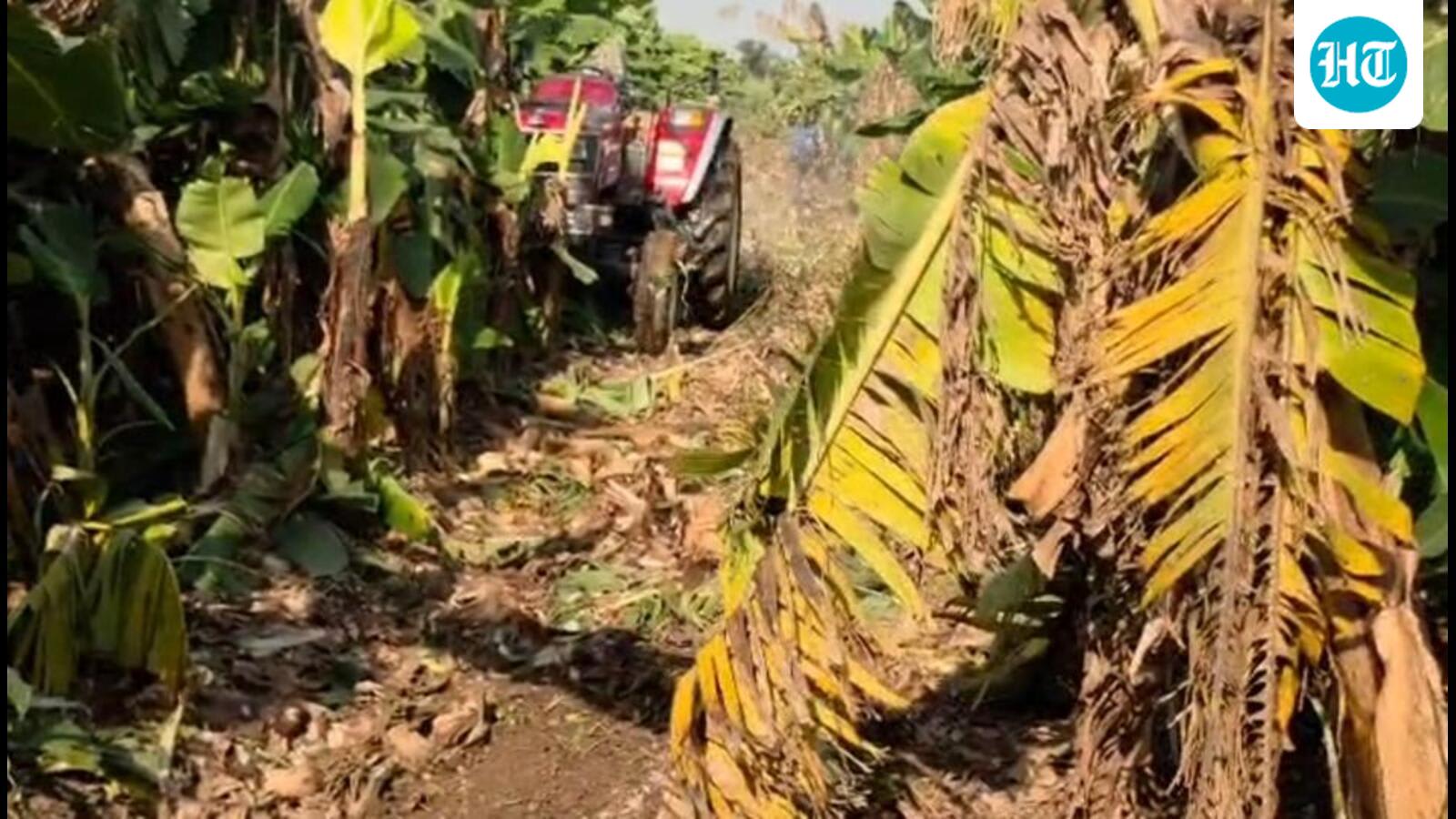
Wholesale banana prices in Maharashtra's Jalgaon district have plummeted due to export disruptions in West Asia and poor crop quality. The crisis has led to severe financial distress, forcing some farmers to destroy their own plantations.
The Banana Crisis in Jalgaon: A Symptom of Global Instability
Jalgaon, Maharashtra, long recognized as the heart of India's banana production, is currently grappling with a severe economic downturn. The convergence of adverse weather patterns and international geopolitical volatility has created a "perfect storm" for the region's agricultural sector. Wholesale prices for bananas have plummeted, reaching levels that fail to cover basic production costs, leaving local farmers in a state of acute financial despair.
The Impact of Export Disruptions
At the core of this price collapse is the disruption of trade routes to West Asia. Iran, historically one of the most significant importers of Jalgaon's banana crop, has seen its demand cycle interrupted by ongoing regional conflicts. When export channels are constricted, the domestic market becomes flooded with surplus produce. This oversupply, combined with a lack of refrigerated infrastructure to store the perishable fruit, inevitably drives prices down, as traders leverage the abundance to dictate lower procurement rates.
Climatic Factors and Quality Degradation
Beyond geopolitical tensions, the environment has played a punitive role. The scanty rainfall recorded in September has directly compromised the quality of the harvest. Agricultural yields that do not meet premium standards are being sold at a meager ₹5 per kg, while even the higher-quality produce struggles to fetch more than ₹11 per kg. This degradation in quality further exacerbates the inability of farmers to secure a fair market price, as buyers prioritize produce that meets international or high-end domestic benchmarks.
The Human Cost of Agricultural Distress
The human impact of these market failures is starkly illustrated by events in Sule village. Farmer Vishnu Samadhan Ingle, having invested over ₹7 lakh into his four-acre plantation, was faced with an insulting offer of just ₹3 per kg from traders. Finding the cost of harvesting and transporting the fruit to be higher than the potential revenue, Ingle was forced to destroy his entire crop using a rotavator. This act of desperation highlights the fragility of the farmer's economic safety net.
Broader Implications and Future Outlook
This crisis serves as a grim indicator of the systemic vulnerabilities within India’s cash-crop economy. When farmers rely heavily on specific export markets, they become disproportionately exposed to foreign conflicts. Without intervention—such as improved domestic supply chain logistics, better cold storage facilities, or diversified export targets—the region remains susceptible to these cycles of boom and bust. As input costs like fertilizers and labor continue to rise, the current model of banana cultivation in Jalgaon faces a critical need for structural reform to prevent further agricultural abandonment.
Verification Required?