'Gimmicks, phoney announcement': India on Pakistan's move to raise bounty on Jaish chief Masood Azhar
Source Entity
Latest News: Todays Latest News Headlines from India & World | Hindustan Times | Hindustan Times
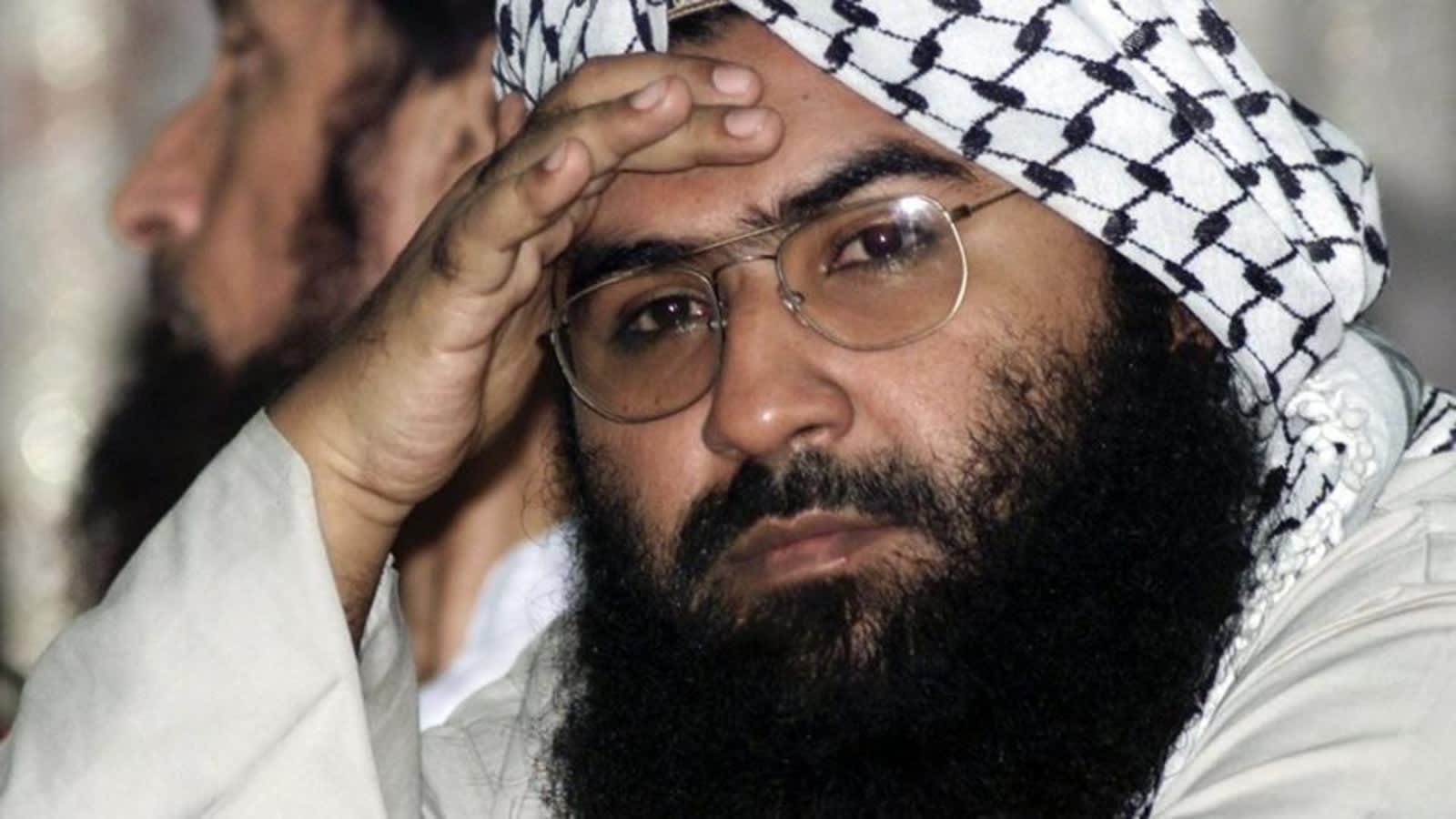
India has dismissed Pakistan's increased bounty on JeM chief Masood Azhar as a deceptive gimmick. New Delhi continues to demand concrete, verifiable action against the UN-designated terrorist instead of hollow public gestures.
The Masood Azhar Saga: A Cycle of Deception
The recent announcement by Pakistan to increase the bounty on Jaish-e-Mohammed (JeM) chief Masood Azhar has been met with sharp skepticism from the Indian government. New Delhi’s Ministry of External Affairs, represented by spokesperson Randhir Jaiswal, labeled the move a "gimmick" and a "phoney announcement," characterizing it as an attempt to deceive the international community. This reaction underscores the deep-seated distrust between the two nations regarding Pakistan’s commitment to dismantling terrorist infrastructure.
Historical Context of the JeM Threat
Masood Azhar, a high-profile figure in the regional security landscape, is one of India's most-wanted terrorists, linked to numerous attacks across Indian territory. His influence over the JeM has long been a point of friction in South Asian geopolitics. Despite his designation as a global terrorist by the United Nations Security Council (UNSC) in 2019—a milestone achieved only after China lifted a long-standing technical hold—the efficacy of international sanctions remains a subject of intense debate.
The Role of International Oversight
The mention of the Financial Action Task Force (FATF) in the context of these developments highlights the ongoing pressure on Pakistan to curb terror financing. The FATF has historically monitored Pakistan’s compliance with global anti-money laundering and counter-terrorism financing standards. Critics argue that Pakistan’s "yearly act" of raising bounties on designated terrorists serves more as a public relations maneuver to appease international monitors than as a genuine effort to bring perpetrators to justice.
India’s Stance on 'Hollow' Actions
India’s official stance remains that such announcements are "aankh mein dhool jhokne wali harkat," or an attempt to hoodwink the public. By categorizing these actions as hollow, India is emphasizing that symbolic gestures without legal follow-through or arrests carry no weight. The Indian government continues to demand tangible, verifiable, and irreversible action against terror networks operating within Pakistan, rather than the performative measures that have characterized previous years.
Future Implications for Regional Security
Moving forward, the international community faces the challenge of ensuring that entities like the JeM are permanently neutralized rather than merely marginalized through temporary administrative hurdles. As long as the perceived "gimmicks" continue, the normalization of relations remains unlikely. The future of this issue rests on whether Pakistan will move toward genuine systemic reform or continue to rely on tactical announcements that fail to satisfy global security requirements.
Conclusion
In summary, the latest bounty increase on Masood Azhar is viewed as a continuation of a well-worn pattern of state-sponsored obfuscation. While Pakistan frames these steps as part of its counter-terrorism efforts, the prevailing view in New Delhi and among many international observers is that these actions lack the necessary substance to address the core security threats posed by the Jaish-e-Mohammed chief.
Verification Required?