How India taught its shooters to slow their hearts
Source Entity
Mihir Vasavda
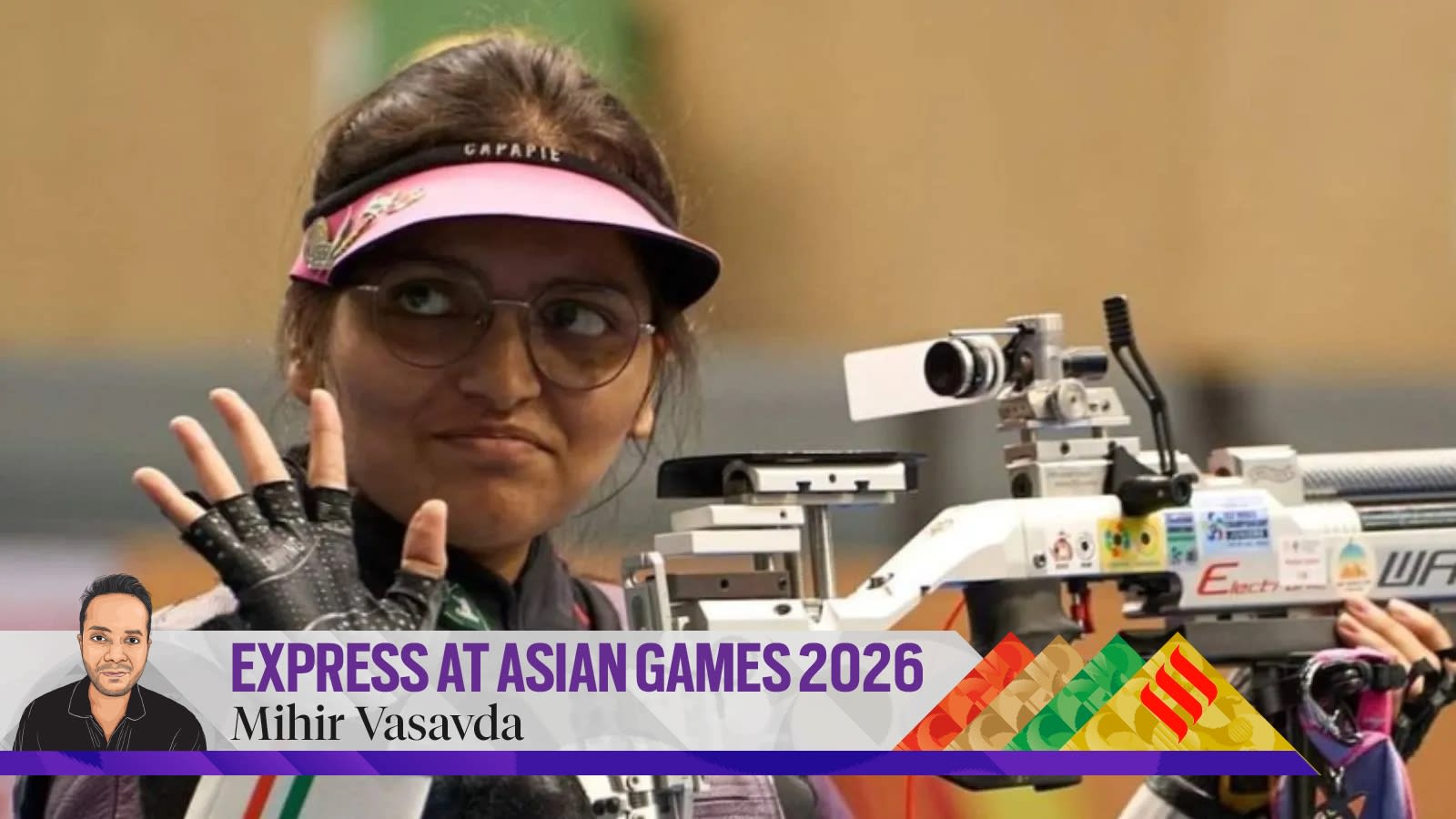
Indian shooters are utilizing advanced biometric monitoring to optimize performance at the Asian Games. By controlling heart rates and stress levels through real-time feedback, athletes aim to achieve peak precision.
Precision Under Pressure: The Science Behind India’s Shooting Success
In the high-stakes arena of elite shooting, where the difference between gold and obscurity is measured in millimeters, India’s national shooting contingent has turned to sophisticated biometric technology to gain a competitive edge. As athletes prepare for the Asian Games, the focus has shifted from raw talent to the physiological mastery of the body, specifically the regulation of heart rate and breathing patterns under extreme competitive pressure.
The Biometric Advantage
At the heart of this training regimen is the integration of real-time data tracking. Athletes like 23-year-old rifle shooter Sonam Maskar are utilizing chest straps and digital sensors to monitor their physiological state during training camps in Bhopal. By tracking heart rate fluctuations and body temperature—a primary indicator of stress—coaches can provide immediate, actionable feedback to shooters, allowing them to recalibrate their internal state before taking a shot.
Managing the 'Stillness' Window
Shooting is fundamentally a sport of stillness. The physiological challenge lies in the body's natural response to pressure, which often manifests as a racing heart. The training protocol adopted by the Indian team mandates that if a shooter's heart rate exceeds 100 beats per minute, they must pause and employ breathing techniques to lower it before firing. This discipline ensures that the athlete is not merely shooting, but performing in a state of controlled, rhythmic calm.
Psychological and Physiological Synergy
This methodology bridges the gap between psychological conditioning and physical performance. By training the nervous system to remain calm under the observation of sensors, shooters are effectively building a 'muscle memory' for relaxation. This is crucial for the 10m rifle event, where even a minor tremor or an irregular breath cycle can cause a significant deviation in the shot's trajectory.
Broader Implications for Indian Sports
The adoption of such data-driven training represents a significant shift in India’s sporting infrastructure. By moving beyond traditional coaching methods and embracing sports science, the Indian shooting program is professionalizing its approach to international competition. This investment in data analytics suggests a strategic effort to increase the consistency of medal hauls at major multi-sport events like the Asian Games.
Future Trends in Performance Optimization
Looking ahead, the integration of biometric monitoring is likely to become standard across all precision sports. As technology becomes more portable and accurate, the ability to 'hack' one's own physiological responses will become a prerequisite for elite status. India’s current focus on heart rate modulation serves as a blueprint for how nations can leverage technology to transform athletic potential into podium finishes.