‘Don't waste energy’: Bhaker urges Indian athletes to look beyond Asian Games chaos
Source Entity
HIJAM RAJU SINGH
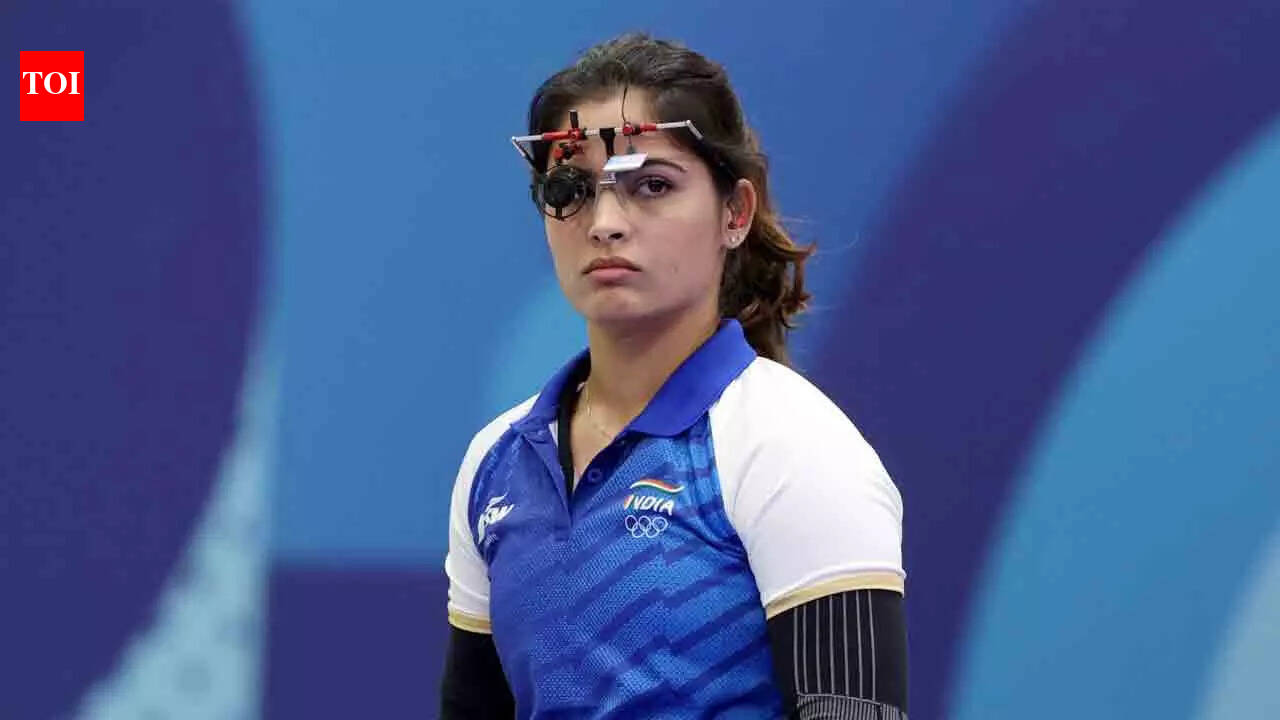
Olympic medalist Manu Bhaker has advised Indian athletes to remain focused on their performance ahead of the Asian Games. She emphasizes that athletes should conserve their energy and avoid getting distracted by organizational challenges or external negativity.
Maintaining Focus Amidst Continental Competition
As the Asian Games approach, Indian shooting star Manu Bhaker has issued a strategic call to action for the national contingent. In an environment often fraught with logistical hurdles and administrative turbulence, Bhaker’s advice to "not waste energy" serves as a vital reminder of the mental discipline required at the elite level. By urging her peers to look beyond the chaos, she is advocating for a professional mindset that prioritizes performance over external circumstances.
The Psychological Edge in Elite Sports
The pressure surrounding major multi-sport events like the Asian Games is immense, often amplified by media scrutiny and the logistical complexities of international travel and village life. Bhaker’s assertion that athletes should avoid unnecessary negativity is rooted in the sports psychology principle of 'selective attention.' By filtering out organizational stressors, athletes can preserve their cognitive and physical resources for the critical moments of competition where precision is paramount.
The Significance of the Asian Games
Bhaker highlights the Asian Games as a "once-in-a-lifetime experience," underscoring the prestige of the event. For many Indian athletes, this competition represents the pinnacle of their career progression, serving as a vital bridge between national-level success and global aspirations like the Olympics. Recognizing the gravity of the stage is essential for athletes to maintain the high levels of motivation needed to endure the grueling training cycles that precede such events.
The Importance of Energy Conservation
In the context of rigorous training, the physical toll on an athlete is significant. Bhaker correctly identifies that physical preparation is only half the battle; the management of emotional and mental energy is equally decisive. By encouraging her colleagues to channel their efforts wisely, she suggests that the difference between a podium finish and falling short often lies in how an athlete manages their internal environment when the external environment becomes unpredictable.
Future Trends and Resilience
Looking forward, the resilience shown by athletes in navigating systemic challenges will likely become a hallmark of the modern Indian sports ecosystem. As India continues to invest in sports infrastructure and coaching, the ability of athletes to remain composed under pressure will be a key metric of success. Bhaker’s leadership in this regard sets a precedent for younger athletes to prioritize their mental health and focus over the noise of administrative or logistical disruptions.
Conclusion: A Unified Path Forward
Ultimately, Manu Bhaker’s message is one of unity and professional maturity. By choosing to focus on the objective—the pursuit of excellence—rather than the "chaos" surrounding the event, Indian athletes can better position themselves to succeed. This proactive stance not only benefits the individual performer but also contributes to a stronger, more resilient national sports culture that is increasingly capable of delivering results on the world stage.