Centre simplifies visa regime: Paperwork cut by 70%, categories reduced from 13 to 9
Source Entity
PRIYANKA JAISWAL
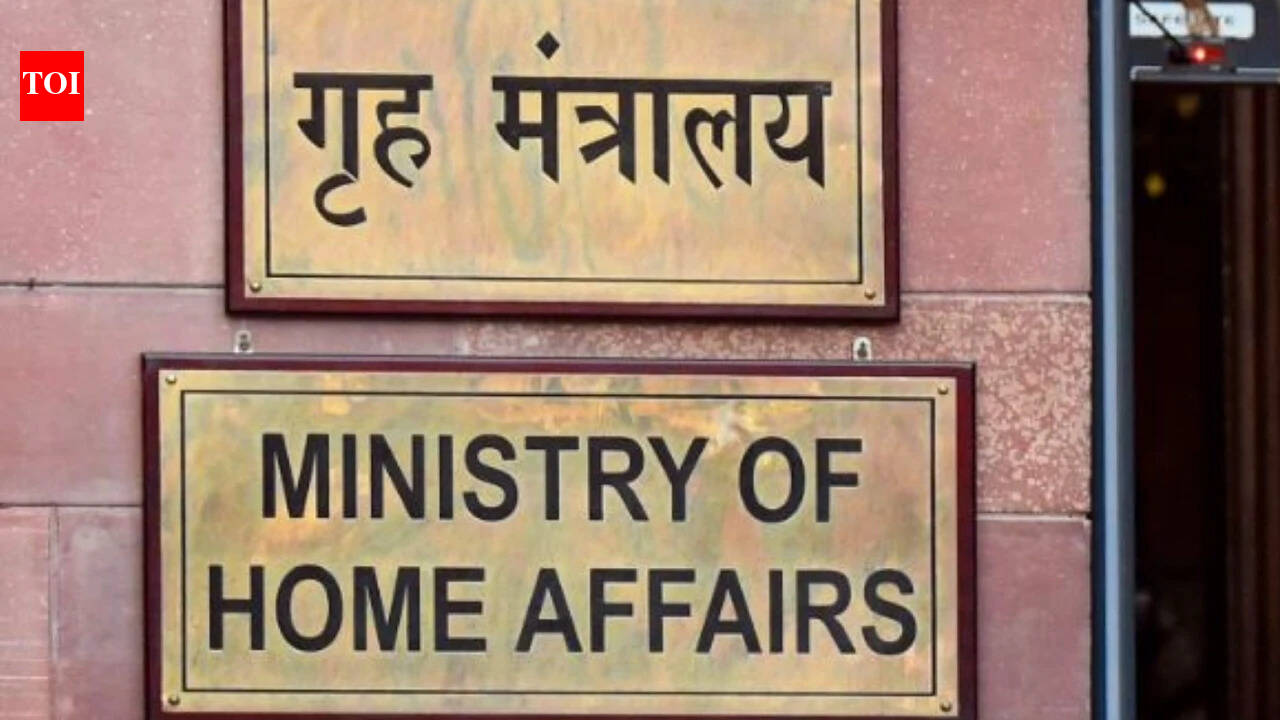
The Indian Ministry of Home Affairs has significantly streamlined the national visa regime by reducing categories and cutting application paperwork by up to 70%. These reforms, effective August 2026, aim to boost tourism, medical travel, and student arrivals.
India Overhauls Visa System to Enhance Global Connectivity
On August 27, 2026, the Indian Ministry of Home Affairs (MHA) announced a sweeping reform of the national visa regime. By reducing the primary visa categories from 13 to nine and pruning the sub-categories from 49 to 23, the government has signaled a clear intent to modernize the administrative framework governing foreign travel. This move follows a previous rationalization effort in October 2025, which had already begun the process of trimming the bureaucratic bloat from what was once a significantly more complex 22-category system.
Drastic Reduction in Administrative Burden
The most tangible impact for applicants lies in the significant reduction of paperwork. The MHA reports that the number of fields required in visa application forms across all sub-categories has been slashed by 65-70%. This reduction is intended to transform the user experience, making the process faster and more intuitive. By minimizing the amount of redundant data requested, the ministry aims to remove friction points that have historically discouraged potential applicants from pursuing travel, education, or medical treatment in India.
Strategic Objectives: Tourism, Health, and Education
The core motivation behind this rationalization is the promotion of 'Medical Value Travel,' tourism, and international student integration. By simplifying the framework, the government is attempting to remove the overlaps that previously caused confusion for international visitors. A more compact and coherent visa structure is expected to position India as a more competitive destination in the global market, particularly for those seeking high-quality healthcare and education at competitive rates.
A History of Iterative Reform
This policy shift is part of a broader, iterative strategy by the MHA to refine India's border and immigration policies. The progression from 63 sub-categories in 2025 down to the current 23 reflects a commitment to digital-first governance and administrative efficiency. Officials have indicated that the issuance of visas under this new, streamlined framework is set to commence by the end of the year, providing a clear timeline for stakeholders and prospective travelers to adjust to the new protocols.
Future Implications and Global Positioning
The simplification of the visa regime serves as a foundational step for India’s long-term economic goals. By making the country more accessible, the government is effectively lowering the barrier to entry for human capital and global investment. As these reforms take hold, it is expected that the ease of movement will correlate with increased foreign interest in the Indian education sector and its growing medical tourism industry. This strategic pivot highlights a shift toward a more responsive and welcoming regulatory environment for the international community.