‘TV drama cannot alter reality': India slams Pakistan over cross-border terror
Source Entity
VIJAYA SRIVASTAVA
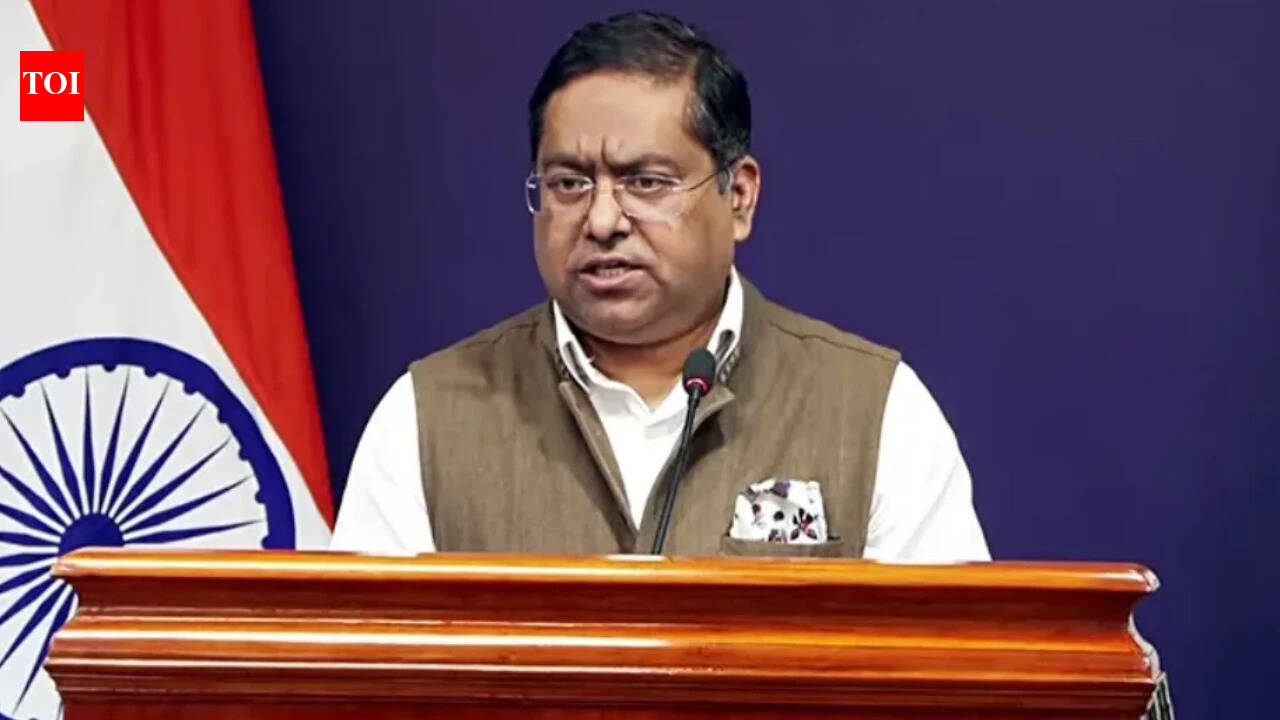
India has strongly condemned Pakistan at the UN for its alleged state-sponsored terrorism and use of media narratives to deflect international scrutiny. New Delhi highlighted that televised campaigns cannot mask the reality of terror groups operating within Pakistani borders.
India Confronts Pakistan's Narrative Strategy at the UN
In a significant diplomatic maneuver at the United Nations, India has launched a pointed critique against Pakistan, challenging both its operational support for extremist groups and its attempts to curate a favorable international image through media campaigns. The Ministry of External Affairs (MEA), represented by spokesperson Randhir Jaiswal, underscored that televised dramas and public relations efforts cannot obscure the fundamental reality of cross-border terrorism. This confrontation marks a deepening of the ideological and geopolitical divide between the two neighbors, as New Delhi seeks to maintain global focus on the security threats emanating from Islamabad.
Exposing the 'Doublespeak' on Global Terror
The core of India’s argument, articulated during the Sixth Committee of the UN General Assembly, revolves around the inconsistency of Pakistan’s rhetoric. While Islamabad publicly claims to combat terrorism, India has utilized its 'Right of Reply' to expose what it describes as 'doublespeak.' By referencing historical tragedies such as 9/11, the 26/11 Mumbai attacks, and the Pahalgam incidents, India is reminding the international community that the global struggle against terror remains incomplete as long as state-sponsored networks remain active.
The Failure of Media Deflection
New Delhi’s latest offensive specifically targets Pakistan's use of media narratives as a tool for diplomatic cover. The MEA has dismissed these broadcasts as transparent attempts to deflect international accountability. By framing these media campaigns as an attempt to project a false image of peace, India is signaling to the global community that Pakistan's domestic media output is a strategic instrument intended to mislead international observers rather than a reflection of genuine policy shifts.
Domestic Blowback: The 'Backyard' Threat
Adding a layer of irony to the proceedings, India highlighted at the UN that the 'terror monsters' nurtured by the Pakistani state have increasingly begun to wreak havoc in their own backyard. This observation points to the cyclical nature of extremism: groups once supported for foreign policy objectives have now turned their volatility inward, destabilizing the very nation that provided them shelter, training, and financing.
The Question of State Accountability
At the heart of the current diplomatic friction is a fundamental question posed by India to the UN Sixth Committee: What happens when a state facilitates and shelters terrorists? By explicitly linking the failure of international counter-terrorism measures to state-sponsored support, India is pushing for a more rigorous definition of accountability. The mention of Jaish-e-Mohammad (JeM) chief Masood Azhar serves as a concrete example of the disconnect between Pakistan’s stated intentions and its actual track record of harboring internationally designated terrorists.
Future Implications and Diplomatic Stance
Moving forward, this exchange indicates that India will continue to aggressively challenge Pakistan’s narrative in every available international forum. The strategy is clear: refuse to let the global community forget the historical costs of terrorism while simultaneously highlighting the ongoing risks posed by state-protected militants. As India continues to leverage its diplomatic standing, the pressure on Pakistan to reconcile its internal security failures with its international obligations will likely intensify, further isolating it in the eyes of the global community.