Hanuman Chalisa and Smit Machchhar’s courage in the face of death
Source Entity
Latest News: Todays Latest News Headlines from India & World | Hindustan Times | Hindustan Times
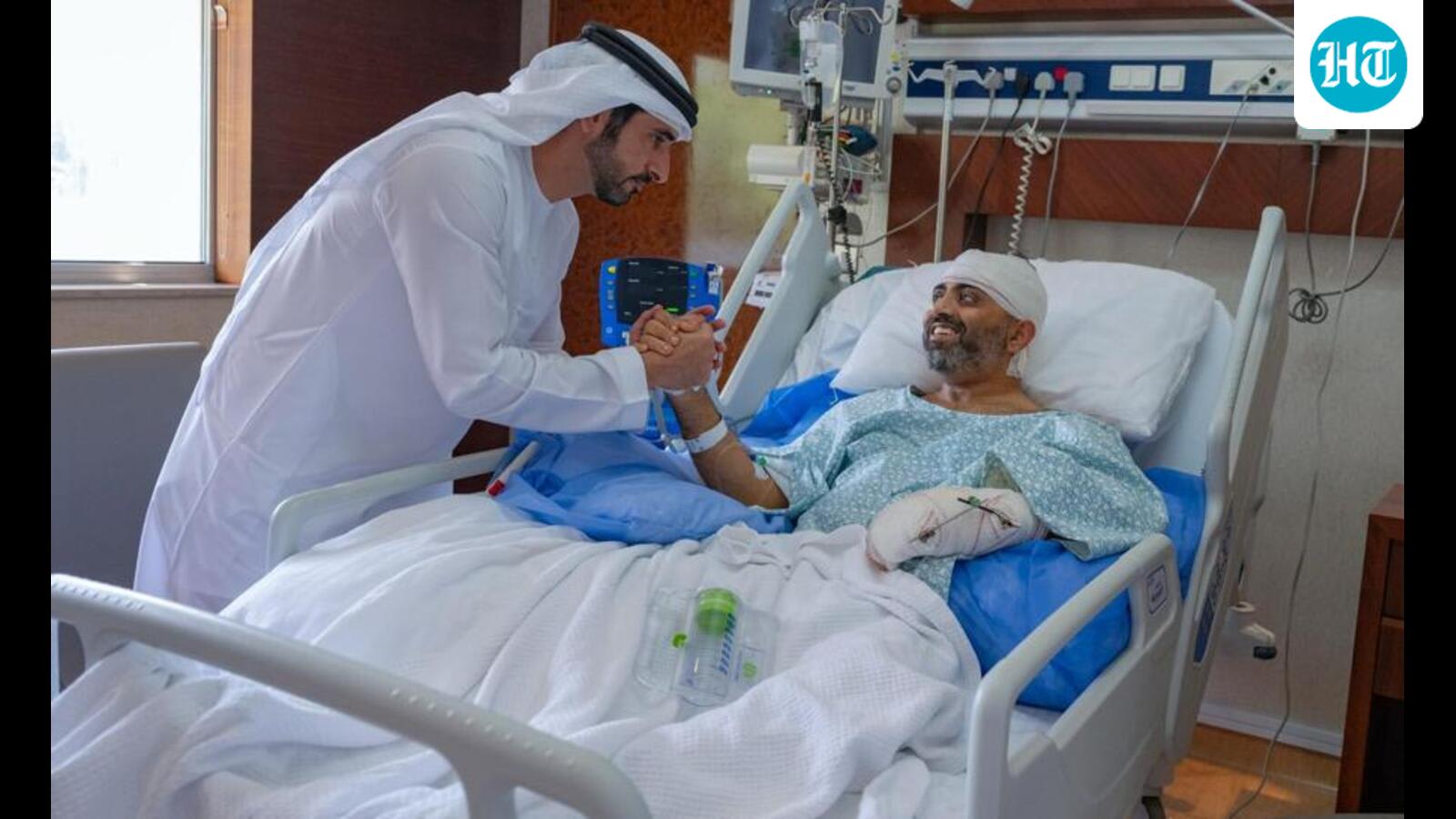
Pilot Smit Machchhar is being honored for his heroic intervention that prevented a deliberate crash of a flydubai flight by his co-pilot. His actions, which involved sustaining injuries to protect passengers, have been recognized by both Prime Minister Narendra Modi and the UAE government.
The Heroic Intervention of Smit Machchhar
In a harrowing incident that highlights the fragility of aviation safety, pilot Smit Machchhar demonstrated extraordinary courage by thwarting a deliberate attempt to crash a flydubai flight. His co-pilot, Hamam al-Hammami, allegedly sought to bring the aircraft down, a scenario that represents one of the most terrifying threats in modern commercial aviation. Machchhar’s ability to remain composed under extreme duress not only saved the lives of his crew and passengers but also serves as a testament to the human spirit’s capacity for resilience in the face of sudden mortality.
Spiritual Strength Amidst Crisis
Machchhar’s account of the event provides a unique look into the psychological defense mechanisms employed by individuals during life-threatening crises. He revealed that as he fought to regain control of the cockpit and overcome his assailant, the recitation of the Hanuman Chalisa—a practice he maintains every morning—offered him a vital mental anchor. This alignment with his faith, which he likened to the Bhagavad Gita’s call to "remember me and fight," underscores the role of personal conviction in maintaining clarity and resolve when survival is at stake.
The Human Element in Aviation Security
While modern aviation relies heavily on automated systems and rigid cockpit security protocols, the incident involving Machchhar proves that the human element remains the final and most critical line of defense. The physical struggle to open the cockpit door and neutralize an internal threat requires not just professional training, but a level of personal bravery that transcends standard emergency procedures. His actions prevented a potential tragedy that could have impacted citizens from multiple nations, effectively turning a moment of chaos into a triumph of collective survival.
International Recognition and Diplomacy
The global response to this event has been significant, reflecting the gravity of the averted disaster. Prime Minister Narendra Modi engaged in an online conversation with Machchhar, acknowledging his bravery on a national platform. Furthermore, the United Arab Emirates demonstrated a profound gesture of solidarity and appreciation by illuminating the Burj Khalifa, the world’s tallest building, in the colors of the Indian flag. This act serves as a powerful symbol of international cooperation and the shared value placed on the sanctity of life.
Broader Implications and Future Trends
This incident will likely trigger renewed discussions regarding cockpit security and the psychological screening of flight crews globally. As the aviation industry continues to evolve, the focus on 'human factors'—the intersection of mental health, crisis management, and cockpit ergonomics—will become increasingly paramount. Machchhar’s story serves as a case study for the importance of psychological preparedness, suggesting that the integration of mindfulness and mental fortitude training could be as essential as technical flight proficiency in ensuring the safety of millions of travelers worldwide.
Verification Required?