Jailed Protester Married Fiancee On Phone. Iran Executed Him The Next Day
Source Entity
NDTV News Search Records Found 1000
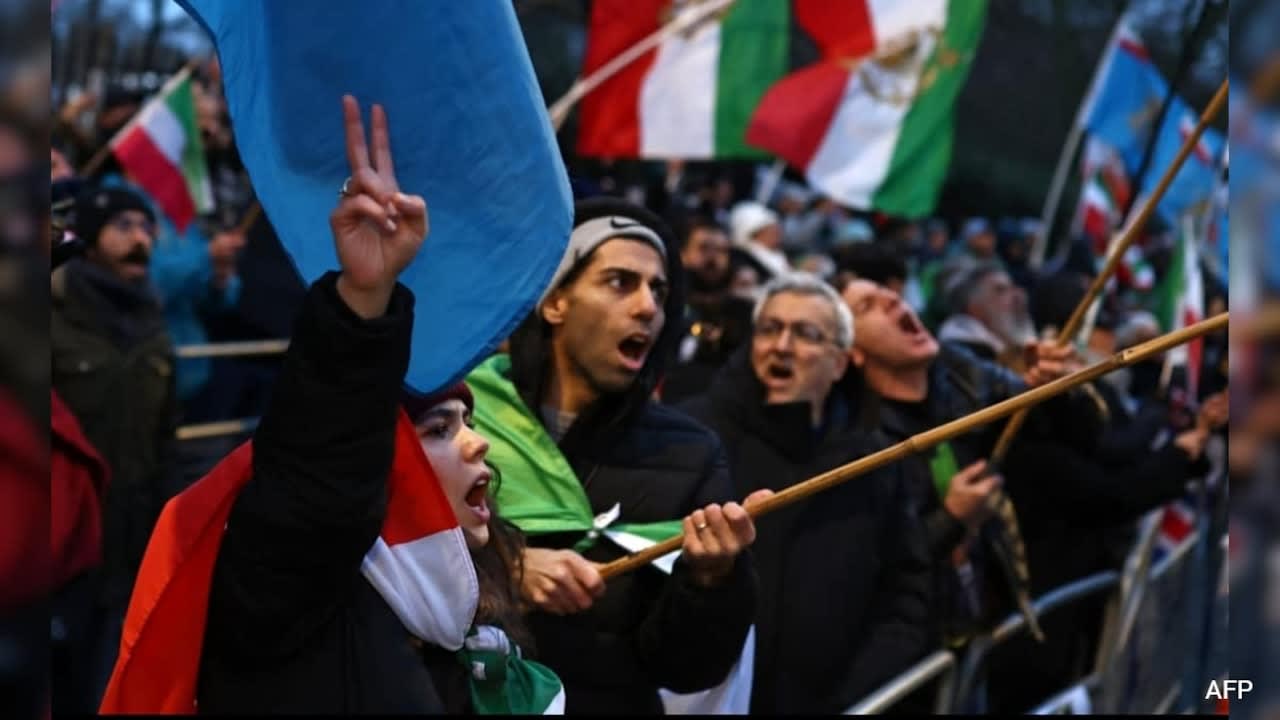
A jailed Iranian protester was executed just one day after performing a marriage ceremony with his fiancee over the phone. Prison authorities denied the couple's final request to meet in person prior to his death.
The Tragic Intersection of Human Rights and State Authority
The recent report concerning a jailed Iranian protester who was executed shortly after marrying his fiancee via telephone highlights the profound tension between individual human rights and the coercive power of the state. This harrowing incident, where prison officials denied the couple a final in-person meeting before the state carried out the death sentence, serves as a stark reminder of the isolation faced by political prisoners within the Iranian penal system. By refusing a final physical connection, the authorities underscored a policy of total dehumanization, stripping the condemned of the basic dignity afforded to those facing the end of their lives.
The Denial of Final Rites and Human Dignity
The denial of an in-person meeting is not merely a logistical decision; it is a calculated psychological tool. In the context of the Iranian judicial system, the restriction of contact between detainees and their families functions as an extension of the state's punitive reach. By forcing a marriage to take place solely over the telephone, the prison system effectively transformed a moment of profound personal commitment into a sterile, bureaucratic interaction. This act demonstrates the extreme measures taken by the state to exert control over the private lives and emotional well-being of those it deems political dissidents.
Systemic Repression and the Protester Experience
This event must be contextualized within the broader framework of Iran’s ongoing struggle with domestic dissent. The protester, who had been held in state custody, represents a growing demographic of individuals who have faced severe judicial repercussions for their political activities. The speed with which the execution followed the telephonic marriage suggests a deliberate disregard for humanitarian concerns, signaling to the public that the state prioritizes the finality of its judicial process over the fundamental rights of the individual and their loved ones.
Implications of Judicial Severity
Historically, the use of capital punishment in Iran has been a subject of intense international scrutiny. The specific circumstances of this case—the refusal of a final visit combined with the rapid scheduling of an execution—draws attention to the lack of transparency and due process inherent in the system. When a state denies a prisoner the ability to see their family before an execution, it violates international norms regarding the treatment of prisoners. Such actions are often interpreted by human rights organizations as a form of psychological torture aimed at silencing opposition through fear.
Future Trends and Global Observation
Looking forward, the international community continues to monitor these instances of judicial overreach. The documentation of such events is vital for human rights advocacy, as it provides undeniable evidence of the conditions inside Iranian prisons. As the global discourse on human rights evolves, the persistence of these practices will likely continue to strain Iran’s diplomatic relations. The tragic story of this couple will serve as a poignant case study for activists and historians alike, illustrating the human cost of political suppression and the resilience of those who attempt to maintain their humanity in the face of state-sanctioned violence.
Verification Required?