CWG medals, state silence? How actively are states promoting sports and athletes
Source Entity
JYOTIRMOY HALDER
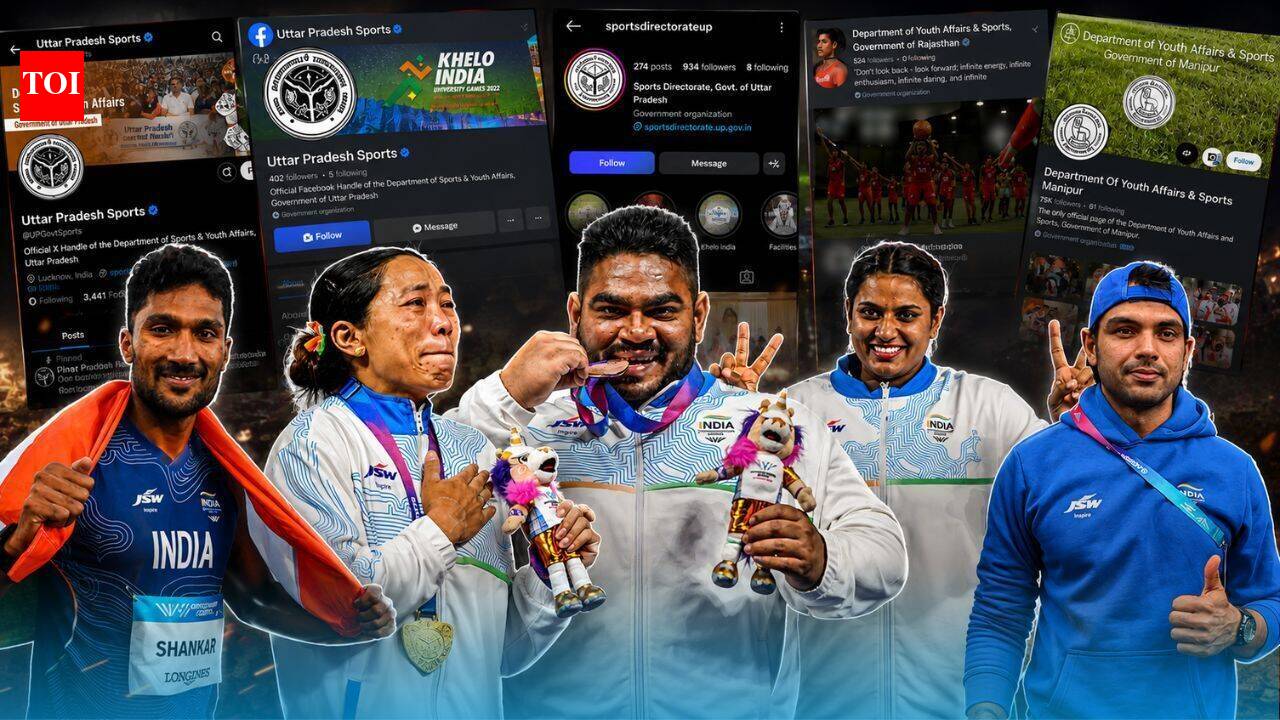
An investigation reveals a stark disparity in how Indian states promote their Commonwealth Games medalists on social media. While some states like Tamil Nadu excel in digital engagement, others like Rajasthan and Manipur show significant neglect in celebrating athletic achievements.
The Digital Disconnect in Indian Sports Promotion
Recent investigations into the post-Commonwealth Games (CWG) landscape have unveiled a concerning trend: while India celebrates its 39 medals, the state-level sports departments tasked with nurturing these athletes are failing to leverage digital platforms for promotion. The discrepancy between an athlete's podium performance and their home state's social media engagement suggests a systemic lack of institutional support for sporting culture.
The Spectrum of Engagement
The digital footprint of state sports bodies varies drastically across the country. At one end of the spectrum, states like Rajasthan have displayed a virtual blackout, with reports indicating no Facebook activity since 2012. Similarly, Manipur, a powerhouse of Indian sports, remains largely silent on contemporary achievements, while major hubs like Uttar Pradesh and Delhi present a similarly gloomy picture of digital inactivity. These gaps indicate that even when states produce world-class talent, their administrative bodies are not adequately equipped or prioritized to celebrate these victories.
Haryana and the Paradox of Performance
Haryana serves as a primary case study for this administrative paradox. As a state that consistently dominates the podium in national and international competitions, one would expect a robust digital apparatus to celebrate its CWG medalists. However, the investigation reveals only limited outreach from Haryana’s official channels. This suggests that the state’s sporting success is driven by deep-rooted local infrastructure and individual grit rather than a concerted, modern effort by the sports department to build a public narrative or inspire the next generation through digital engagement.
The Tamil Nadu Model
Conversely, Tamil Nadu emerges as a positive outlier, demonstrating how consistent social media activity can effectively promote grassroots athletes. By maintaining an active presence, the state not only honors its current medalists but also fosters a culture of sports that encourages youth participation. This model highlights that the problem is not a lack of resources, but rather a lack of strategic intent and digital literacy within many state sports departments.
Broader Implications for Indian Athletics
The silence of state sports bodies carries significant implications for the future of Indian athletics. Social media acts as a bridge between the government, the athletes, and the public; when this bridge is broken, the visibility of sports diminishes. Without proactive promotion, the momentum gained from international successes like the CWG is lost, failing to translate into the grassroots support or sponsorship interest that athletes require to sustain their careers.
Conclusion: A Call for Administrative Accountability
Moving forward, the digital silence of states like Rajasthan or Manipur must be addressed as a matter of administrative accountability. To truly transition into a global sporting superpower, India needs its state sports departments to evolve beyond legacy administrative practices. Integrating digital communication into their core strategy is no longer optional; it is essential to institutionalize success and ensure that every athlete’s achievement serves as a catalyst for future growth.