The bittersweet realities of the India-UK FTA
Source Entity
The Indian Express
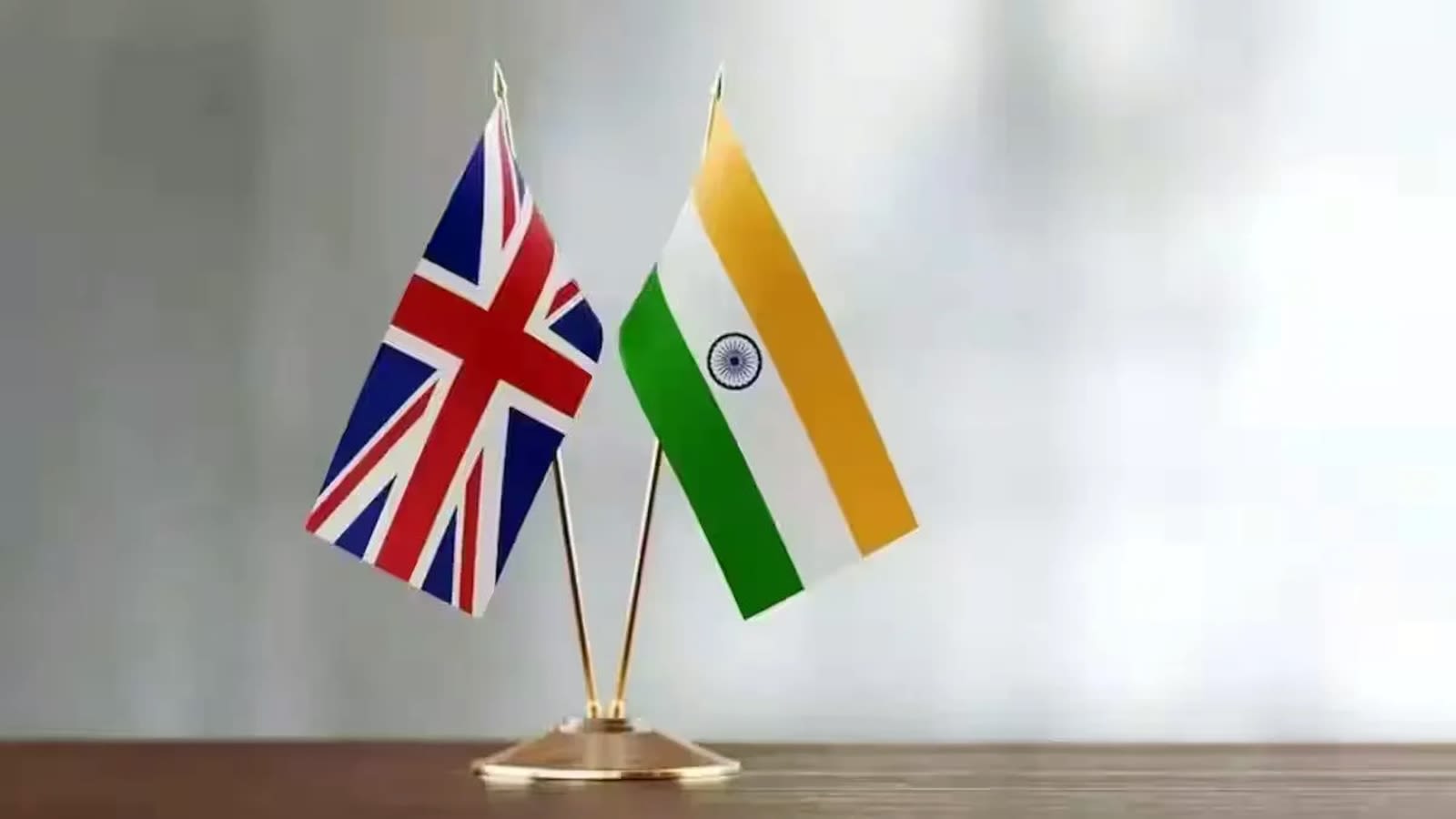
An analysis of the ongoing India-UK Free Trade Agreement (FTA) negotiations, highlighting the complexities introduced by UK leadership changes under PM Keir Starmer and specific trade frictions regarding steel protectionism.
Navigating the Complexities of the India-UK FTA
The pursuit of a Free Trade Agreement (FTA) between India and the United Kingdom represents one of the most ambitious economic endeavors in the post-Brexit era. While the promise of enhanced bilateral trade is significant, the process has been characterized by a series of 'bittersweet realities.' The negotiations are not merely about tariff reductions but are deeply intertwined with geopolitical alignment, domestic political pressures, and the reconciliation of two very different economic philosophies. The current state of negotiations reflects a delicate balancing act between the desire for strategic partnership and the necessity of protecting national industrial interests.
The Impact of Political Transition
A critical variable in the current timeline is the leadership transition in London. The ascent of Prime Minister Keir Starmer brings a new political mandate to the table, which naturally introduces a period of calibration. In international diplomacy, a change in government often leads to a comprehensive review of existing negotiation mandates to ensure they align with the new administration's priorities. For the India-UK FTA, this means that while the momentum remains, the specific terms of engagement may be scrutinized through a different lens, potentially shifting the focus toward labor standards, environmental protections, or different sectoral priorities that the Starmer government deems essential.
The Friction of Steel Protectionism
One of the most tangible hurdles currently impeding a swift conclusion is the friction over steel protectionism. Steel is a cornerstone of industrial infrastructure for both nations, and the imposition of protective measures—such as tariffs or quotas—serves as a defensive mechanism for domestic producers. When one nation perceives the other's protectionist policies as an unfair barrier to market access, it creates a deadlock that transcends simple economics. This specific dispute over steel highlights the broader challenge of the FTA: reconciling India's desire to protect its emerging manufacturing base with the UK's need to secure competitive exports in a volatile global market.
Strategic Imperatives and Economic Synergy
Despite these frictions, the strategic imperative for this deal remains potent. For the United Kingdom, the FTA is a cornerstone of its 'Global Britain' strategy, seeking to diversify trade partnerships beyond the European Union. For India, the agreement offers a gateway to high-quality investment and a chance to integrate more deeply into global value chains. The potential synergies are vast, spanning from the liberalization of services and professional mobility—critical for India's IT and healthcare sectors—to the reduction of duties on British luxury goods and automobiles. The 'bittersweet' nature of the deal arises from the fact that the rewards are immense, but the cost of compromise is politically expensive.
Historical Context and Future Trajectory
Historically, India and the UK have shared deep colonial and economic ties, but the modern FTA aims to redefine this relationship as a partnership of equals. The current trajectory suggests a move toward a 'phased' agreement, where easier wins are secured first while the most contentious issues, like steel and visas, are negotiated in a separate, slower track. Looking ahead, the success of the FTA will depend on the ability of both governments to decouple ideological protectionism from strategic economic gain. If both nations can navigate the current turbulence, the resulting agreement could serve as a blueprint for other comprehensive trade deals between emerging economies and established Western powers.
Conclusion
In summary, the India-UK FTA is currently navigating a precarious phase where political transitions and industrial disputes threaten to slow progress. However, the fundamental economic logic driving the agreement remains sound. The resolution of the steel protectionism deadlock and the alignment of Prime Minister Starmer's vision with India's economic goals will be the deciding factors in whether this agreement moves from a state of 'bittersweet reality' to a landmark economic achievement.