India contemplate releasing Gurnoor Brar early for Test preparations
Source Entity
SAHIL MALHOTRA
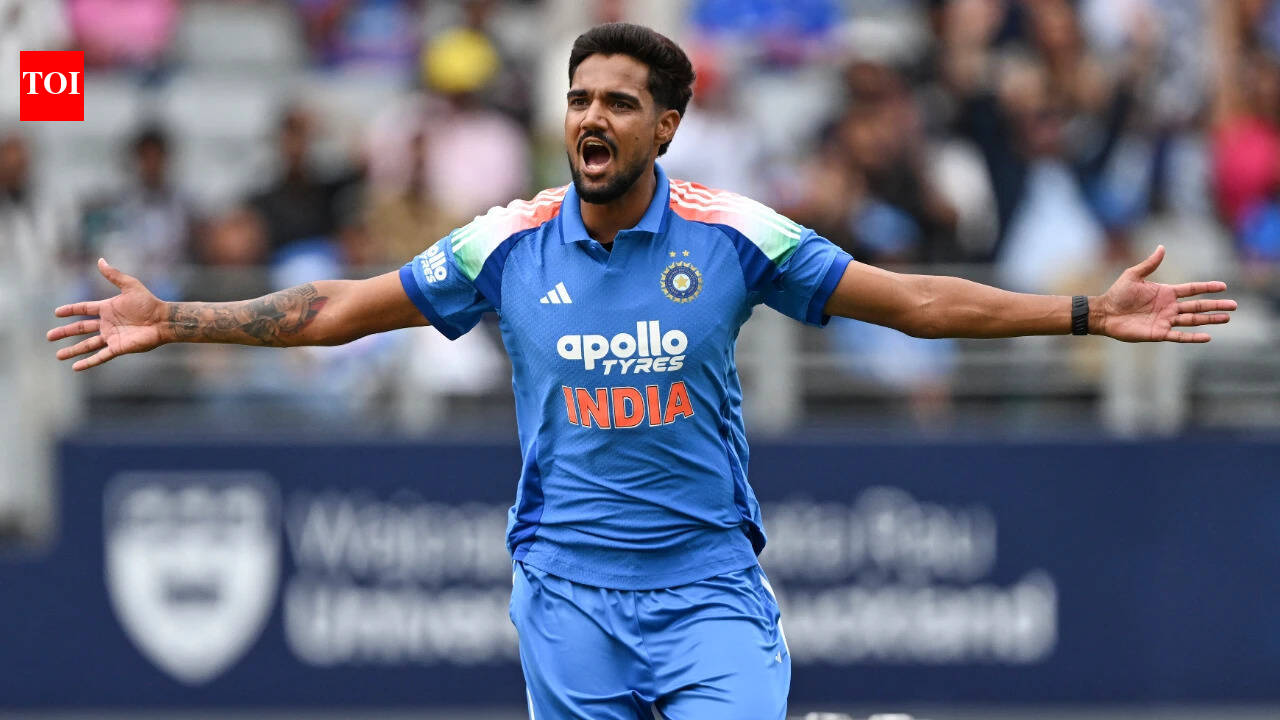
India is reshuffling its squad for the fourth ODI against New Zealand as key players depart to prepare for the upcoming Test series. Shreyas Iyer will lead the side with several personnel changes expected, including the potential return of Mohammed Siraj and Ruturaj Gaikwad.
Strategic Squad Rotations: India's Balancing Act in New Zealand
As the Indian cricket team prepares for the fourth ODI against New Zealand at Mount Maunganui, the squad is undergoing significant tactical adjustments. The primary catalyst for these changes is the impending transition from white-ball cricket to the longer format, with several key personnel departing the ODI setup to shift their focus toward the red-ball Test series against the Black Caps.
Prioritizing the Test Format
The decision to release players such as Shubman Gill, KL Rahul, and Anshul Kamboj is a clear indication of the team management’s commitment to securing a strong start in the Test arena. By allowing these individuals to integrate early with the Test squad, India hopes to mitigate the logistical and physical challenges associated with switching formats. Gurnoor Brar is also being considered for early release, further highlighting the priority placed on preparing the pace bowling attack for the rigors of Test match conditions.
Leadership and Playing XI Dynamics
With regular skipper Shubman Gill stepping away to focus on red-ball duties, Shreyas Iyer has been tasked with leading the side for the remainder of the ODI series. This transition in leadership provides an opportunity for the team to test its depth. Reports suggest that Ishan Kishan is expected to move into the opening slot alongside Rohit Sharma, while Ruturaj Gaikwad is being considered for a middle-order role, providing necessary stability in a lineup facing multiple personnel gaps.
Addressing the Pace Bowling Void
The departure of Anshul Kamboj has left a vacancy in the seam attack, which is likely to be filled by Mohammed Siraj. Siraj’s inclusion is vital for maintaining the pressure that has seen India take a commanding 2-0 lead in the series. The team’s ability to remain competitive despite these changes will be a litmus test for the bench strength, especially as the New Zealand side looks to exploit any vulnerabilities in the revised bowling lineup.
Tactical Implications for the Series
While India currently holds the advantage in the series, the shift in momentum caused by these squad movements cannot be understated. New Zealand has struggled with consistency in their batting, often failing to adjust to the seam and bounce conditions that have played into the hands of the Indian bowlers. However, with India fielding a reshuffled XI, the Kiwis may find a window of opportunity to capitalize on the lack of familiarity among the new playing combinations.
Conclusion
Ultimately, the fourth ODI serves as both a competitive fixture and a transition phase for the Indian team. By balancing the need to close out the ODI series with the necessity of preparing for the Test series, the management is navigating a complex scheduling challenge. The performances of players like Gaikwad and Siraj in the upcoming match will be crucial in determining whether India can sustain their dominance while simultaneously readying their premier players for the challenges of red-ball cricket.