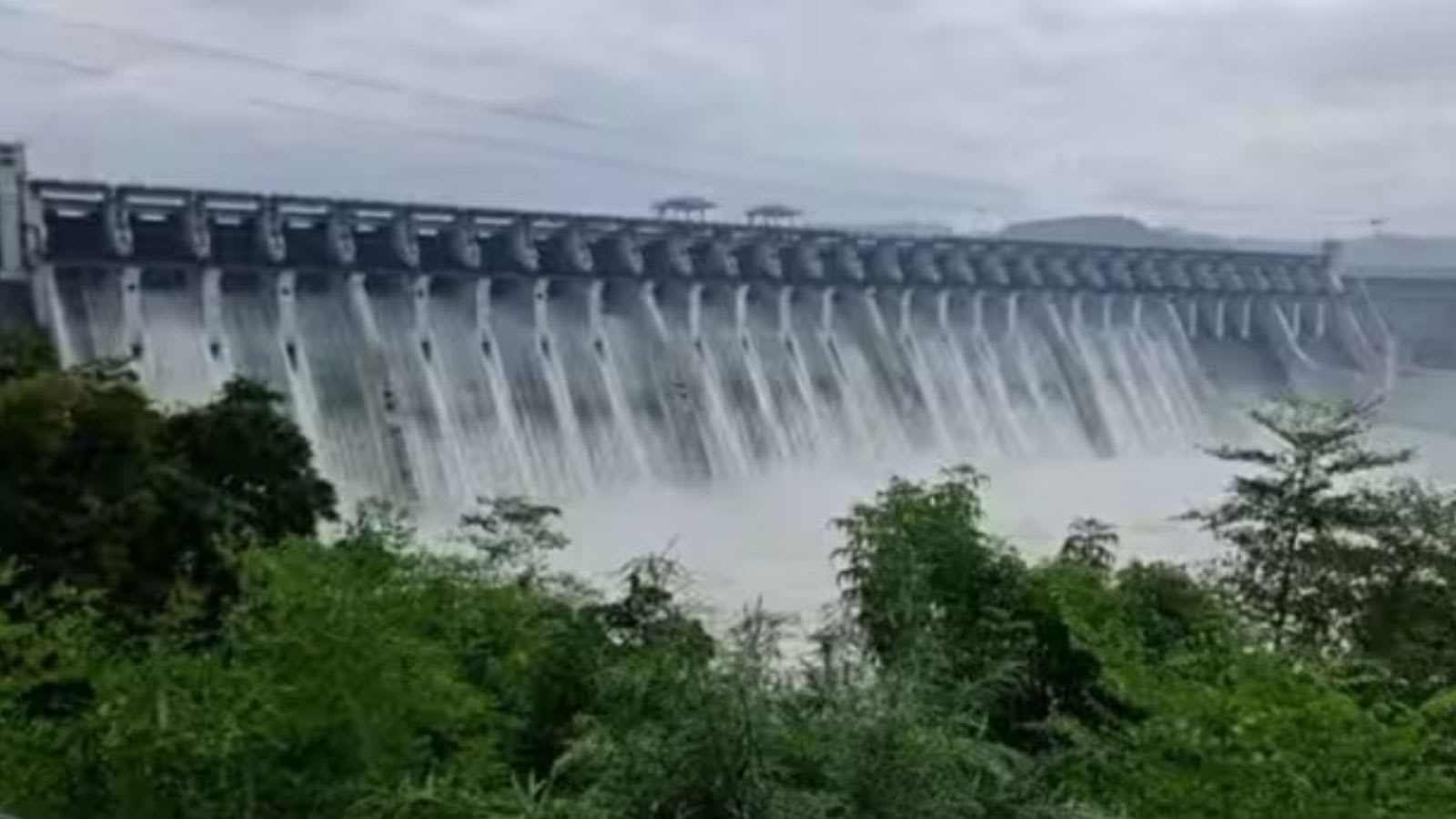
Gujarat 24% water deficit compared to 2025, but its biggest dam Narmada is full
Source Entity
Aditi Raja
India is facing significant water stress due to the El-Niño climatic pattern, which has led to below-normal monsoon rainfall in several regions. Chandigarh recorded its driest September in three years, while Mumbai faces potential shortages with lake levels failing to reach capacity.
The Impact of El-Niño on India's Water Security
India is currently grappling with the tangible consequences of the El-Niño climatic pattern, which has disrupted seasonal rainfall across various states. Recent meteorological data and civic reports indicate a troubling trend of water scarcity that threatens both urban infrastructure and rural livelihoods. The situation is characterized by a combination of erratic monsoon performance and early seasonal withdrawals, forcing authorities to contemplate stringent conservation measures.
Chandigarh’s Rainfall Deficit
In Chandigarh, the India Meteorological Department (IMD) reported that this September saw 132.2 mm of rainfall. While this figure technically hovered near the normal mark of 131.4 mm, it represents the driest September in three years, eclipsed only by the exceptionally low 52.8 mm recorded in 2023. More broadly, the city has faced a cumulative deficit, recording 710.8 mm of rain since June, which is 15.9% below the expected seasonal average. IMD Chandigarh Director Surender Paul attributed this subdued performance to active El-Niño conditions and an early retreat of the monsoon.
Mumbai’s Looming Water Crisis
The crisis is perhaps most acute in Mumbai, where the Brihanmumbai Municipal Corporation (BMC) has sounded the alarm regarding the city's water reserves. Unlike previous years, the seven lakes supplying water to the metropolis failed to reach 100% capacity. With current stocks significantly lower than the 97.57% and 99.09% levels observed in the two preceding years, officials have warned that existing supplies may only suffice until May of the coming year.
State-Level Policy and Drought Mitigation
Recognizing the severity of the situation, the Maharashtra state government has declared a drought in 265 tehsils. The administration is currently evaluating a 10% reduction in urban water supply and potential restrictions on construction activities in water-scarce zones. This legislative response highlights the urgent need to balance urban consumption with the preservation of dwindling reserves.
Socio-Economic Implications
Beyond urban water cuts, the drought has triggered a broader agrarian crisis. To mitigate the economic fallout, the state is planning to invest Rs 6,728 crore into an employment guarantee scheme. This initiative aims to provide a financial safety net for the rural economy, which is disproportionately affected by the lack of adequate rainfall and the resulting agricultural distress.
Future Trends and Outlook
As climate patterns like El-Niño continue to influence the Indian subcontinent, the reliance on traditional monsoon cycles is becoming increasingly precarious. The current data suggests that municipal bodies and state governments will need to shift toward more sustainable water management practices, including stricter rationing and long-term infrastructure investment, to ensure basic needs are met in the face of increasingly unpredictable weather events.
Multiple Citing Sources