Family face 11-hour layover after flight rescheduling, airline ordered to pay Rs 70,000
Source Entity
Ashish Shaji
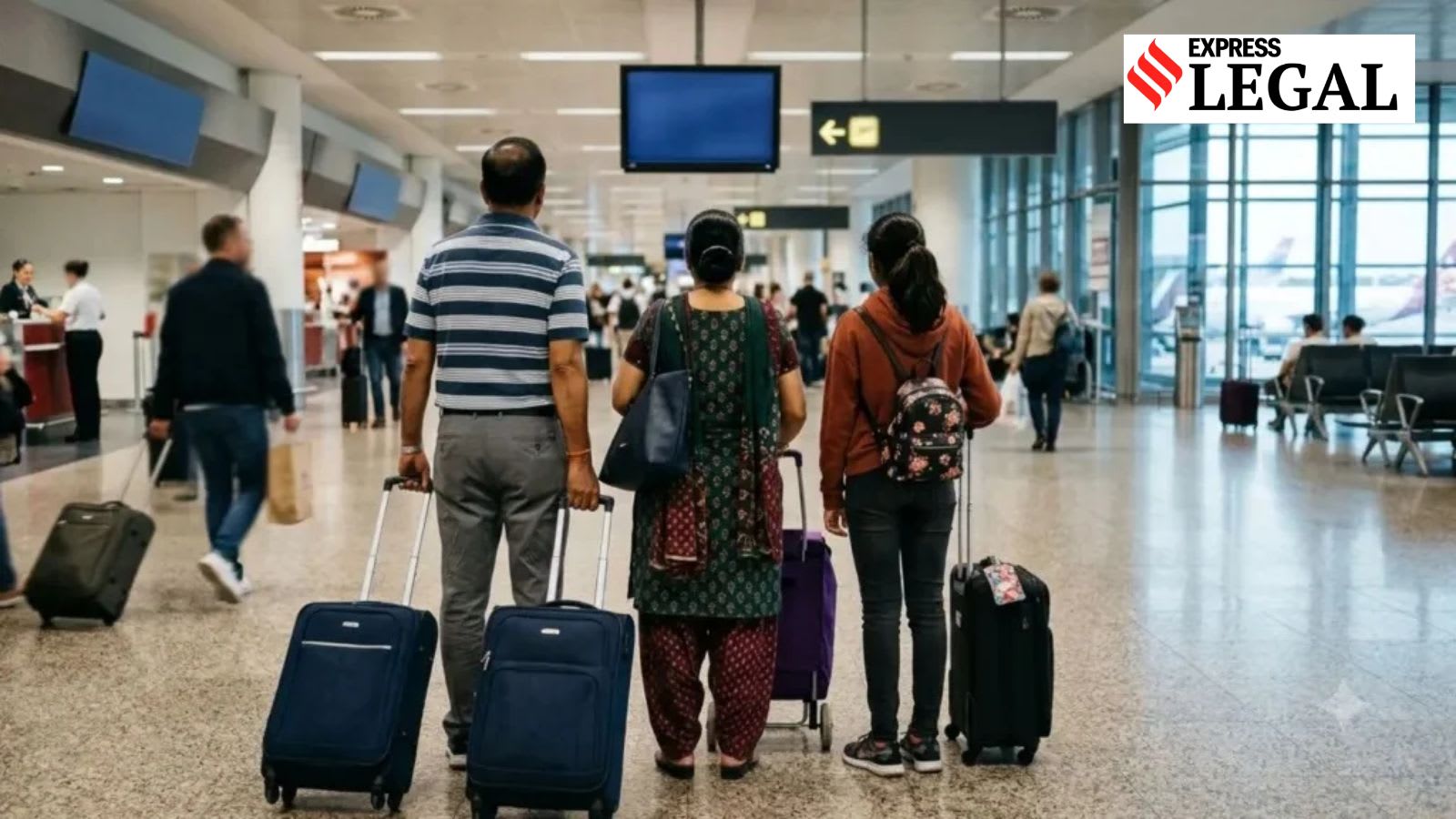
Consumer commissions in India have recently ordered airlines to pay significant compensation to passengers for service deficiencies. These rulings highlight legal accountability for flight cancellations, seat downgrades, and inadequate communication regarding operational issues.
Consumer Commissions Hold Airlines Accountable for Service Lapses
Recent rulings across various Indian consumer commissions have set a strong precedent for passenger rights, penalizing airlines for arbitrary service failures. From Hyderabad to Haryana and West Bengal, judicial bodies are increasingly siding with travelers who face significant disruptions, signaling a shift toward stricter consumer protection in the aviation sector.
The Cost of Arbitrary Flight Rescheduling
In a notable case in Hyderabad, a family’s holiday to Thailand was severely disrupted when an airline canceled their direct flights, forcing them into an 11-hour layover. The Telangana consumer commission, led by President B Uma Venkata Subba Lakshmi, ruled that the airline’s inability to provide a convincing reason for the cancellation constituted a clear deficiency in service. This judgment underscores that airlines cannot unilaterally alter travel plans without valid justification, and passengers are entitled to financial restitution for the resulting inconvenience.
Prioritizing Health and Mobility Needs
Beyond simple delays, airlines are now facing heavy penalties for failing to honor specific seating requirements related to medical needs. A Haryana Consumer Commission recently awarded Rs 3 lakh to a passenger suffering from diabetes and chronic leg pain after an airline downgraded his pre-booked front-row seat to a middle seat on a long-haul flight from Toronto to Delhi. The bench emphasized that the airline’s disregard for the passenger's health and mobility—despite his explicit booking for wheelchair assistance—directly led to a deterioration of his medical condition, necessitating hospital treatment.
Operational Exigencies Require Transparency
Transparency remains a critical issue, as evidenced by a West Bengal commission ruling involving a passenger stranded for two days after a Delhi-Bengaluru flight cancellation. The commission rejected the airline's vague defense of 'unforeseen operational exigencies,' noting that if such reasons are not adequately explained or substantiated, the airline remains liable for damages. The order mandated a payment of over Rs 56,000, plus litigation costs, reinforcing that airlines must be accountable for the ripple effects of their operational decisions on passengers' lives.
Broader Implications for the Aviation Industry
These rulings collectively highlight a growing intolerance for poor customer service and opaque operational practices in the Indian aviation market. By awarding substantial compensation, these commissions are forcing airlines to reconsider their handling of cancellations and service downgrades. The consistent emphasis on 'deficiency in service' suggests that airlines must now invest more in robust communication protocols and contingency planning to avoid legal repercussions.
Future Trends in Passenger Rights
Looking ahead, it is likely that Indian travelers will become increasingly litigious as awareness of their rights under consumer protection laws grows. Airlines that fail to provide transparent communication and reasonable care during disruptions will find themselves facing not only financial penalties but also significant reputational damage. As the industry evolves, the focus on passenger welfare, particularly for those with medical conditions, is poised to become a central pillar of regulatory and judicial oversight in the aviation sector.