Asian Games: Ankush Panghal stuns Uzbek world champion to reach gold-medal bout
Source Entity
HIJAM RAJU SINGH
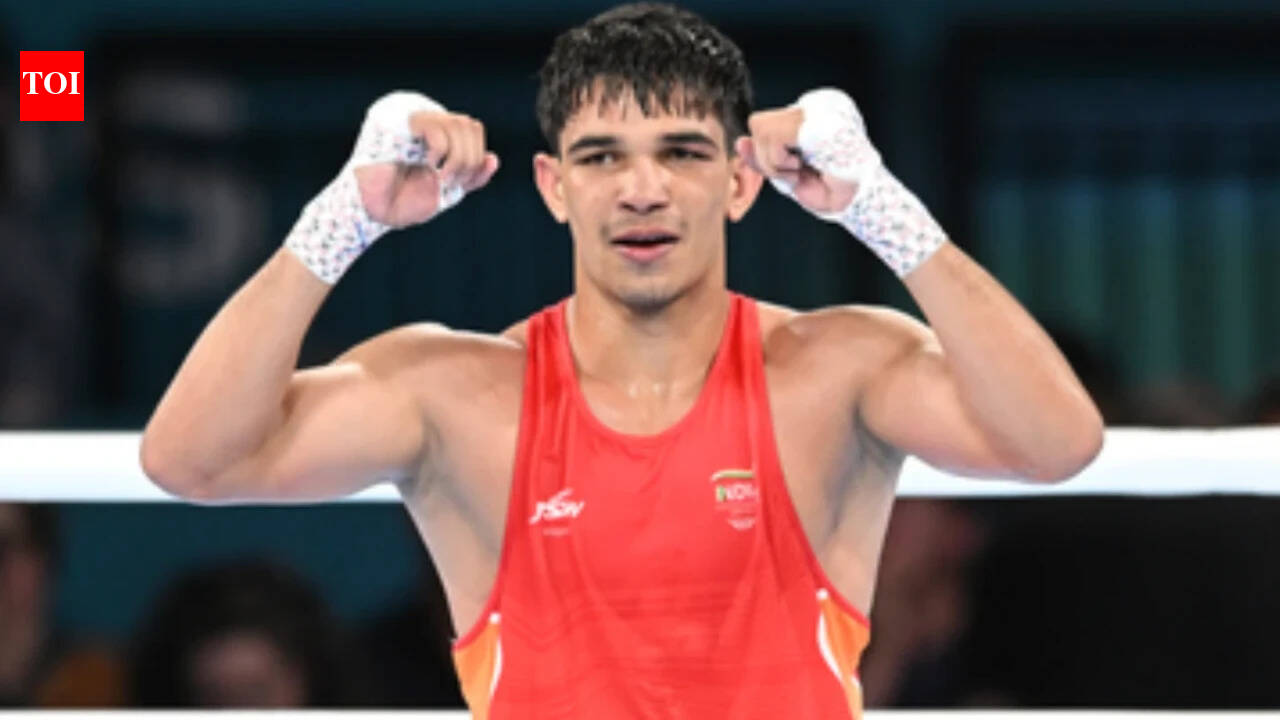
Indian boxers Ankush Panghal and Parveen Hooda have advanced to the gold-medal bouts at the 2026 Asian Games following impressive semifinal victories. While Panghal overcame a world champion, Hooda secured her spot as part of a personal redemption arc following a doping suspension.
A Triumphant Surge: Indian Boxing at the 2026 Asian Games
The 2026 Asian Games have served as a definitive stage for Indian boxing, highlighted by the remarkable performances of Ankush Panghal and Parveen Hooda. Both athletes have successfully navigated the high-pressure environment of the semifinals, securing their places in the gold-medal bouts and keeping India’s hopes for multiple podium finishes alive.
Ankush Panghal’s Tactical Masterclass
Ankush Panghal’s path to the 80kg final was far from straightforward. Facing reigning world champion Fazliddin Erkinboev of Uzbekistan, Panghal found himself trailing after the opening round. However, his ability to recalibrate his strategy mid-bout proved decisive. By fiercely contesting the second round and exerting total dominance in the third, he secured a unanimous decision, demonstrating the mental fortitude required at the elite international level.
Parveen Hooda’s Journey of Redemption
For Parveen Hooda, the path to the 65kg final carries significant emotional weight. Having previously faced the disappointment of a scratched medal from a past Asian Games and the professional setback of a doping suspension due to whereabouts failures, her performance against China’s Li Shu represents a profound comeback. Her 5-0 victory at the Nishio Gymnasium in Aichi is not merely a win on the scorecard; it is the culmination of months of behind-the-scenes preparation and a testament to her resilience.
The Haryana Pipeline: A Broader Context
While the focus remains on the individual brilliance of these boxers, the success of Indian athletes is often supported by the robust infrastructure in states like Haryana. As noted in reports regarding the state's role as a sports nursery, the influx of athletes from across India to specialized facilities in Sonepat and Rohtak highlights a national trend of centralization in training excellence. This ecosystem allows coaches like Kuldeep Singh and Mandeep to refine the techniques of athletes from diverse regions, effectively turning the state into a powerhouse that feeds the national squad.
Implications and Future Trends
These performances suggest a maturing Indian boxing contingent capable of overcoming both world-class opposition and internal adversity. The ability of the Indian team to pivot from the Commonwealth Games to the Asian Games in such a short window demonstrates improved conditioning and tactical flexibility. If current trends continue, India is likely to see a shift in medal expectations, moving from mere participation to consistent podium contention against traditional boxing giants like Uzbekistan and China.
Conclusion
As the tournament nears its conclusion, the focus shifts to the gold-medal bouts. Both Panghal and Hooda have proven their technical proficiency and psychological durability. Their success serves as a microcosm of the broader evolution of Indian combat sports, where disciplined training, strategic adaptation, and the relentless pursuit of redemption continue to redefine the nation's standing in international boxing.
Multiple Citing Sources