Neeru Dhanda scripts history with India’s first individual gold in Asian Games 2026
Source Entity
PRANAV SHUKLA
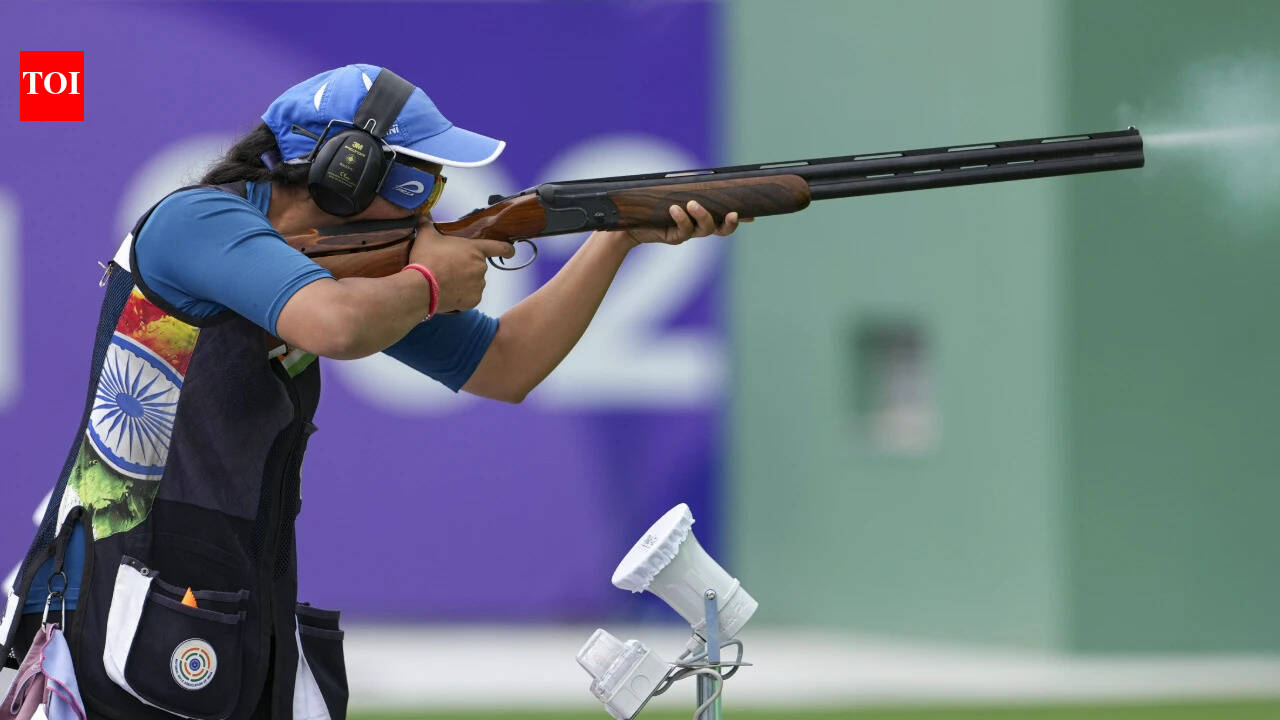
Neeru Dhanda has made history as the first Indian woman to win an individual gold medal in the trap shooting event at the 2026 Asian Games in Nagoya. Her journey from humble beginnings to international success was fueled by family support and her transition from kabaddi to professional shooting.
A Historic Triumph in Nagoya
Neeru Dhanda has etched her name into the annals of Indian sporting history by securing the nation's first-ever individual gold medal in the women’s trap event at the 2026 Asian Games in Nagoya. This monumental victory, achieved with a record-breaking score of 28/30 in the final, underscores her dominance on the continental stage. Her performance was defined by unwavering composure, highlighted by a flawless start where she connected with all five of her opening shots, setting the tone for a historic gold-medal finish.
The Path to Excellence
The road to the podium was anything but conventional. Originally a kabaddi player, Dhanda’s transition to shooting was sparked by witnessing the success of her cousin, Lakshay Sheoran, who secured a silver medal at the 2018 Jakarta Asian Games. Her initial training involved humble beginnings, including shooting at tin cans and utilizing borrowed equipment. With the backing of her family and the mentorship of Lakshay and his father, Somveer Sheoran, she moved from her small village in Sangatpura to the Karni Singh Shooting Range in Delhi, eventually joining the Indian Army as a Naib Subedar.
Overcoming Barriers
Dhanda’s rise is a testament to perseverance in the face of economic constraints. Coming from a family with a small landholding, the prospect of pursuing a gear-intensive sport like trap shooting seemed like a distant dream. However, her persistence in persuading her parents to support her ambition, coupled with the critical guidance provided by the Sheoran family, allowed her to overcome the financial and logistical barriers that often hinder athletes from rural backgrounds.
Technical Mastery and Consistency
Her gold medal achievement was not an isolated stroke of luck but the culmination of rigorous preparation. Before clinching the individual gold, Dhanda demonstrated her form by helping the Indian women’s trap team secure a silver medal. Her individual qualification round, where she finished joint-second with a score of 118/125, proved that she was a serious contender throughout the tournament. Her ability to maintain focus, missing only two shots during the final pressure cooker, highlights the elite mental conditioning she has developed through her Army training.
Broader Implications for Indian Shooting
This victory marks a significant milestone for Indian shooting, signaling a shift in the depth of talent within the women’s trap discipline. By becoming the first Indian woman to claim this specific individual title, Dhanda has provided a blueprint for aspiring shooters from non-urban environments. Her success is expected to bolster the visibility of trap shooting in India and may lead to increased institutional support for athletes who bridge the gap between regional sports traditions and international technical disciplines.
Future Trends and Legacy
As Dhanda looks ahead, this gold medal establishes her as a formidable force on the world stage. Having already tasted success in World Cup events, her Asian Games triumph serves as a springboard for future Olympic cycles. The narrative of her journey—from rural Sangatpura to the global podium—serves as a powerful case study in how mentorship, military discipline, and familial support can propel athletes to surpass historical precedents and redefine national expectations.
Multiple Citing Sources