Rahul Gandhi venting electoral frustration through protests: BJP
Source Entity
TNN
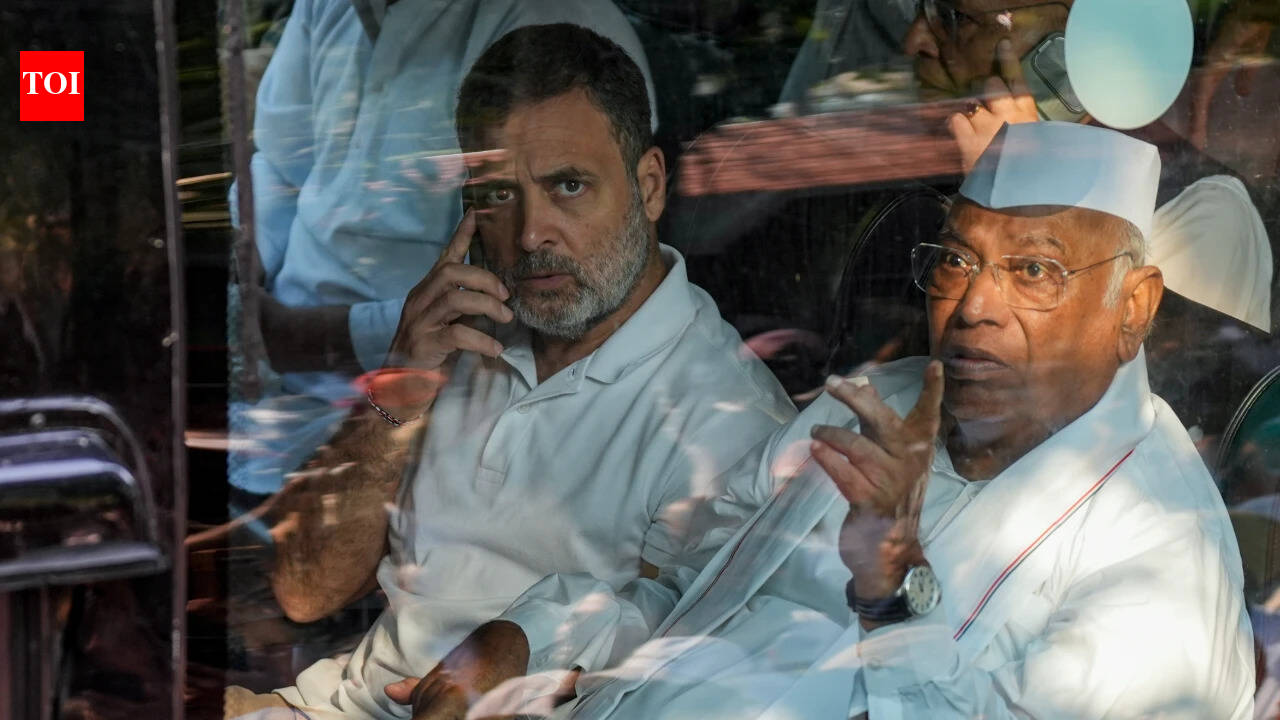
Indian political discourse is currently dominated by debates over electoral accountability, the right to protest, and the role of the Supreme Court. Leaders from across the spectrum are engaging in intense rhetoric regarding institutional integrity and democratic norms.
The Pulse of Indian Political Discourse
Recent developments in the Indian political landscape highlight a period of intense scrutiny regarding institutional roles and democratic accountability. From the halls of electoral analysis to the corridors of the judiciary, various stakeholders are actively shaping the narrative on how power and dissent function within the nation. The ongoing debates, ranging from the performance of political parties to the accessibility of protest venues, reflect a broader struggle to define the boundaries of democratic engagement.
Accountability in Electoral Politics
Union Minister Shivraj Chouhan has recently targeted the Congress party, characterizing their electoral defeats as a direct consequence of "directionless leadership" rather than flaws within the Election Commission (EC). This argument shifts the focus from administrative concerns regarding the fairness of the electoral process to the internal viability of opposition parties. By positioning the EC as a neutral arbiter, Chouhan emphasizes that electoral outcomes are a reflection of voter sentiment and party strategy, challenging the narrative that institutional failure is to blame for political setbacks.
The Right to Protest and Public Space
Simultaneously, the discourse surrounding the right to dissent has gained momentum, particularly following the relocation of a designated protest site. The Citizens for Justice and Peace (CJP) has expressed significant concern over the change in venue, with the rallying cry, "Ab poora desh Jantar Mantar banega!" (Now the whole country will become Jantar Mantar!). This statement reflects a growing anxiety regarding the containment of civil dissent and suggests that restricting physical protest spaces may inadvertently lead to a more decentralized and widespread form of public agitation across the country.
The Judiciary as a Stabilizing Force
Adding another layer to this complex narrative is the role of the Supreme Court (SC). Senior advocate Kapil Sibal’s recent remarks, noting that the "SC restored people's faith" just a day after expressing frustration, underscore the volatile relationship between the legal system and the political class. This oscillation between criticism and praise illustrates the high stakes of judicial intervention in matters of national importance, where the court is frequently viewed as the final arbiter of faith in democratic institutions.
Broad Implications and Future Trends
These events, while disparate in origin, share a common thread: the question of institutional trust. As political leaders continue to debate the legitimacy of the electoral process, and as civil society groups push back against perceived limitations on public assembly, the role of the judiciary becomes increasingly pivotal. Future trends suggest that the Indian political environment will continue to see a high degree of litigation and public debate, as parties and activists alike look to the courts to validate their positions on governance and civil liberties.
Conclusion
In summary, the interplay between political accountability, the right to protest, and judicial oversight defines the current political climate in India. While the rhetoric is often confrontational, these discussions are essential to the ongoing evolution of the democratic process. As stakeholders navigate these challenges, the ultimate test will remain the ability of these institutions to maintain public confidence amidst evolving social and political pressures.
Multiple Citing Sources