Indian techie explains how ‘one phone call’ during H-1B visa stamping made him choose India over US
Source Entity
Latest News: Today's Latest News Headlines from India & World | Hindustan Times | Hindustan Times
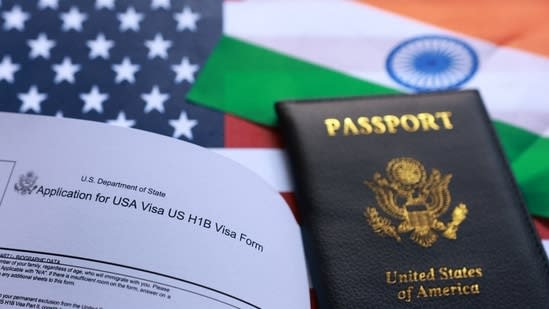
An Indian professional who moved back from the US shared an honest account of what he gained and what he still struggles with after returning home.
The Fragility of the American Dream: A Case Study in Reverse Brain Drain
For decades, the trajectory for top-tier Indian engineering and technology talent has been a linear path toward the United States. The H-1B visa served as the golden ticket to Silicon Valley, promising unparalleled salaries and professional prestige. However, the narrative shared by a returning Indian techie—where a single phone call during the visa stamping process triggered a life-altering decision—underscores a growing sentiment of disillusionment. This event is not merely a personal anecdote but a reflection of the systemic precariousness that foreign professionals face when their legal residency is tied to employer sponsorship and bureaucratic whims.
The Psychological Impact of Visa Bureaucracy
At the heart of this story is the 'visa stamping' process, a high-stress hurdle that often determines the fate of an individual's career and family stability. For many, the H-1B process is fraught with anxiety, as a single administrative processing delay or a negative interaction with consular officials can derail years of planning. The 'one phone call' mentioned in the account symbolizes the suddenness with which the 'American Dream' can evaporate. When a professional feels that their value is reduced to a checklist of documents rather than their technical expertise, it often triggers a psychological shift. This sense of being a 'temporary guest' rather than a valued contributor can lead to a profound reconsideration of where one truly belongs.
The Rise of the Indian Tech Ecosystem
This individual's choice to return to India is contextualized by the rapid evolution of the domestic tech landscape. Unlike twenty years ago, India now possesses robust tech hubs in cities like Bengaluru, Hyderabad, and Pune, offering roles in AI, cloud computing, and SaaS that rival those in the US. The emergence of a vibrant startup culture and the maturity of Global Capability Centers (GCCs) have created a safety net for returning professionals. The 'gains' mentioned by the professional likely include a higher quality of social life, proximity to family, and the ability to contribute to a growing economy where they are viewed as permanent citizens rather than visa-dependent workers.
Navigating the 'Returnee' Struggle
Despite the emotional relief of returning, the narrative honestly addresses the ongoing struggles. Transitioning from the US to India often involves a 'culture shock' in reverse. Professionals frequently cite challenges such as deteriorating urban infrastructure, differing workplace hierarchies, and the complexities of navigating Indian bureaucracy. Moreover, while the cost of living is lower, the absolute salary gap can be significant, requiring a mental shift from maximizing wealth to maximizing 'life quality.' This duality—the joy of homecoming versus the frustration of systemic inefficiencies—is a hallmark of the modern reverse brain drain experience.
Broader Implications for Global Talent Migration
This event signals a potential shift in the global talent war. For years, the US benefited from 'brain drain,' importing the best minds from India. However, as visa policies become more restrictive and the emotional cost of residency increases, the US risks losing a critical pipeline of innovation. When high-skilled workers choose India over the US, it accelerates the 'brain gain' for India, fueling domestic innovation and reducing dependency on foreign markets. This trend suggests that talent is no longer just chasing the highest currency, but is increasingly prioritizing psychological security and cultural belonging.
Conclusion
The story of this techie is a poignant reminder that professional success is not solely defined by a destination or a paycheck, but by the dignity and stability one feels in their environment. By choosing India over the US after a discouraging visa experience, the individual highlights a broader trend of reclaiming identity and stability. As India continues to strengthen its technological infrastructure, more professionals are likely to find that the risks of staying in a foreign land under restrictive visa regimes outweigh the rewards, leading to a sustainable homecoming for the diaspora.
Verification Required?