Mumbai-Bound IndiGo Flight Delayed By 3 Hours After Pilot Falls 'Sick'
Source Entity
NDTV News Search Records Found 1000
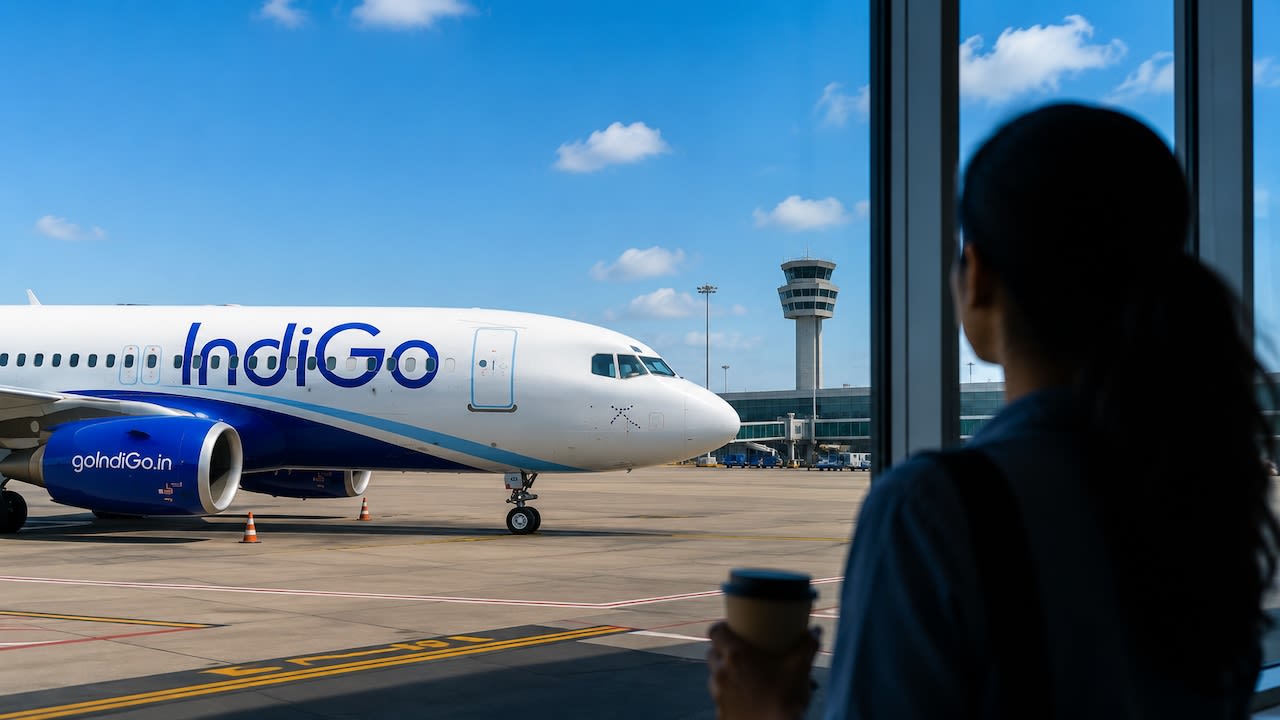
An IndiGo flight from Varanasi to Mumbai faced a three-hour delay after the pilot reported feeling unwell. The incident highlights the strict adherence to safety protocols regarding crew fitness in the aviation industry.
Operational Disruption at Lal Bahadur Shastri International Airport
A recent operational delay involving IndiGo flight 6E-6544 has underscored the complexities of maintaining schedule integrity in the aviation sector. The flight, which was slated to depart from the Lal Bahadur Shastri International Airport in Varanasi bound for Mumbai, experienced a significant three-hour postponement. The primary catalyst for this delay was a medical event involving the pilot, who reported feeling 'sick' prior to departure, forcing the airline to activate contingency protocols to ensure passenger safety.
Prioritizing Aviation Safety Protocols
In the commercial aviation industry, the health and fitness of flight crew members are paramount. Regulations mandated by civil aviation authorities require pilots to be in optimal physical and mental condition to operate aircraft safely. When a pilot reports an illness, airlines are strictly prohibited from proceeding with the flight until a replacement crew member or a medical clearance is secured. In this instance, IndiGo’s decision to delay the flight by three hours reflects a standard, albeit inconvenient, adherence to these non-negotiable safety standards.
The Ripple Effect of Crew Unavailability
Beyond the immediate delay, such incidents often trigger a cascade of logistical challenges. Airline scheduling is a tightly choreographed operation where a single crew member's inability to perform their duties can disrupt subsequent flights. When a pilot is grounded at an airport like Lal Bahadur Shastri, the airline must manage crew duty time limitations and logistics to fly in a replacement, which explains the three-hour duration of the delay. This highlights the vulnerability of the hub-and-spoke model to localized human-factor disruptions.
Impact on Passenger Experience and Airline Reputation
For passengers, a three-hour delay represents a significant frustration, particularly on high-traffic routes such as Varanasi to Mumbai. IndiGo, as a major carrier, faces the challenge of balancing stringent safety requirements with customer communication. Managing passenger expectations during these intervals is critical for maintaining brand loyalty. Transparent communication regarding the nature of the delay—specifically citing medical safety—is generally the most effective way to mitigate public dissatisfaction during such occurrences.
Future Trends in Airline Crew Management
Looking ahead, airlines are increasingly investing in predictive health monitoring and robust crew reserves to minimize the impact of sudden illness. By maintaining standby crews at strategic locations and utilizing advanced data analytics to forecast potential disruptions, carriers aim to reduce the duration of delays caused by unforeseen events. The incident with flight 6E-6544 serves as a reminder that while technology and logistics have advanced, the human element remains the most critical and unpredictable variable in aviation safety.
Conclusion
The delay of IndiGo flight 6E-6544, while inconvenient, serves as a testament to the rigorous safety culture inherent in modern commercial aviation. By prioritizing the health of the flight crew over schedule adherence, the airline successfully mitigated potential risks. As the aviation industry continues to grow, the ability to manage such operational hiccups with efficiency and transparency will remain a key differentiator for airlines operating in competitive markets like India.
Verification Required?