IndiGo flight hit by lightning, damage found only after landing in Lucknow
Source Entity
ARVIND CHAUHAN
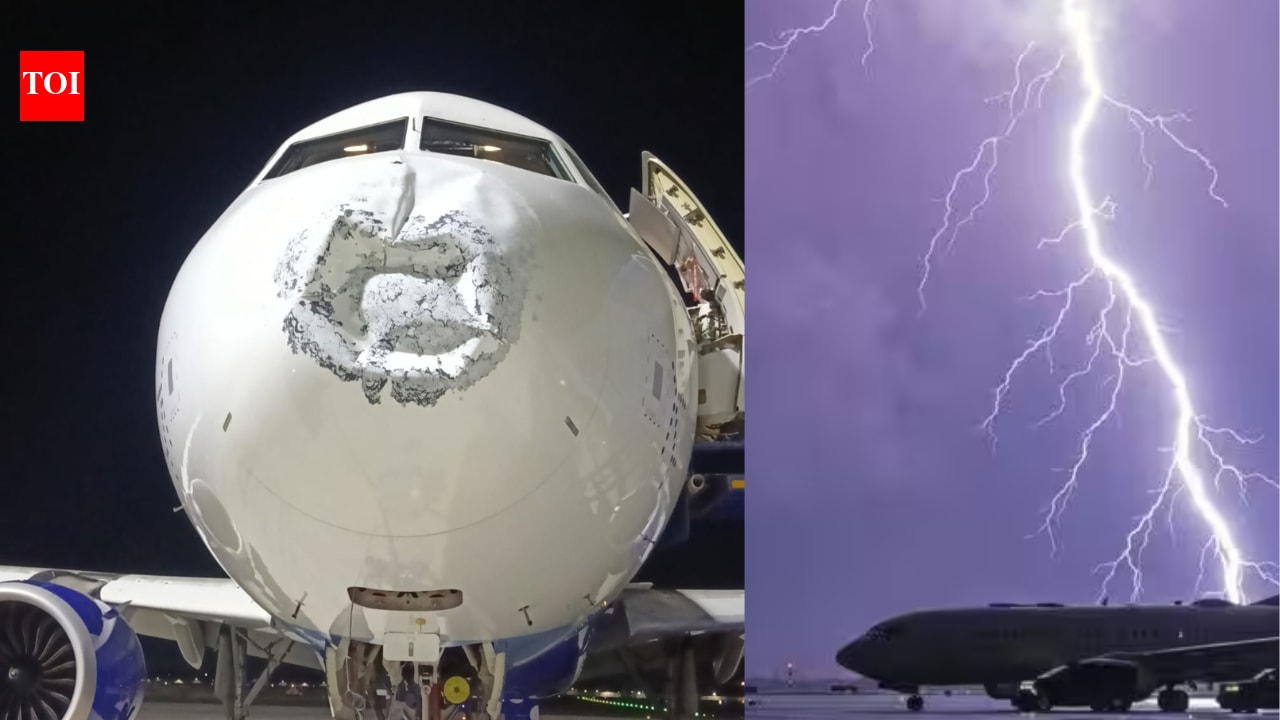
An IndiGo flight from Patna to Lucknow sustained nose damage after a suspected lightning strike. All 110 passengers and crew landed safely, and the aircraft is currently undergoing technical inspections.
Incident Overview: IndiGo Flight 6E925
On Wednesday, October 7, 2026, an IndiGo flight (6E925) traveling from Patna to Lucknow experienced a significant meteorological event while en route. Upon arrival at the Lucknow airport, ground crews identified structural damage to the aircraft’s nose radome. Despite the severity of the impact, the flight landed safely, and all 110 individuals on board—comprising 104 passengers and six crew members—remained unharmed.
Understanding Lightning Strikes in Aviation
Modern commercial aircraft are engineered with sophisticated Faraday cage-like protection to withstand lightning strikes, which are relatively common in aviation. The nose radome, which houses critical weather radar equipment, is constructed from non-conductive materials to allow radar signals to pass through. Consequently, when lightning strikes this specific area, it can result in visible structural damage, such as scorching or punctures, even if the primary flight systems remain intact.
Operational Response and Safety Protocols
Initial reports varied regarding whether the flight performed an emergency landing; however, official statements clarified that the aircraft landed normally at 4:00 PM. The damage was only discovered during the post-flight inspection performed by ground staff after the aircraft was parked. Following this discovery, the aircraft was officially declared 'Aircraft on Ground' (AOG), a standard industry designation indicating that the plane is unfit for service until comprehensive repairs and technical certifications are completed.
Regulatory Oversight and Investigation
In accordance with aviation safety protocols, the Directorate General of Civil Aviation (DGCA) has been notified of the incident. The airline is currently conducting a thorough technical inspection to determine the exact extent of the damage. This process involves verifying that no internal avionics or navigation equipment located within the nose section were compromised by the electrical discharge.
Broader Implications for Passenger Safety
This incident highlights the effectiveness of current aviation safety standards. Despite the psychological impact such an event might have on passengers, the aircraft's structural integrity ensured that the flight trajectory was not compromised. The successful outcome serves as a testament to the rigorous training of flight crews, who are prepared to handle adverse weather conditions, and the robust design of modern commercial airliners that prioritize passenger safety above all else.
Future Trends and Maintenance Standards
Moving forward, the aviation industry continues to refine lightning strike detection and structural reinforcement. Incidents like this reinforce the necessity of post-flight inspections and the importance of the AOG protocol in preventing further risks. As investigations conclude, the data gathered will likely be used to improve maintenance procedures for IndiGo’s fleet, ensuring that even minor atmospheric incidents are managed with the highest level of regulatory compliance.