1975, 1977, 1982, 2006...: 6 Times When Elections Were Stayed By Courts
Source Entity
NDTV News Search Records Found 1000
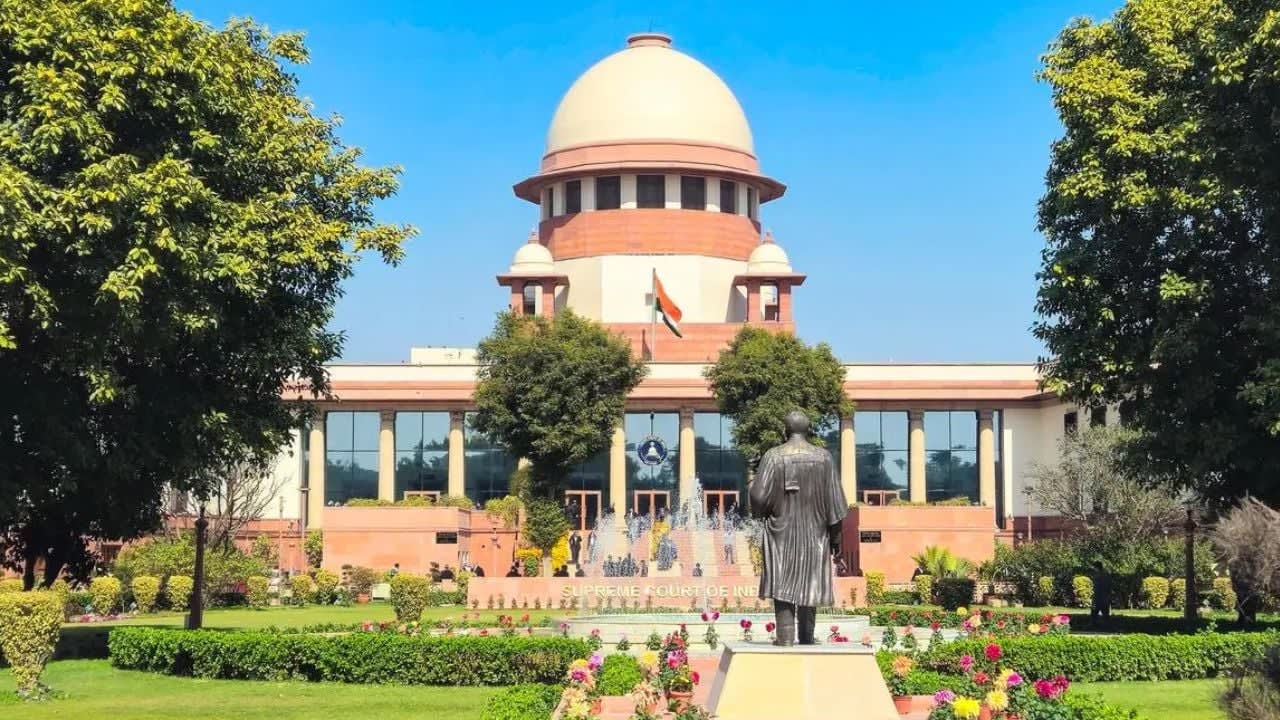
The 1975 Allahabad High Court verdict against Indira Gandhi remains a landmark moment in Indian legal and political history. It highlights the judiciary's role in holding high-ranking officials accountable for electoral malpractice.
The Judicial Challenge to Political Power: The 1975 Verdict
The Historical Context of the 1971 Election
The 1971 Lok Sabha elections were a watershed moment in Indian political history, solidifying Indira Gandhi's dominance as Prime Minister. However, the victory in her constituency of Raebareli became the epicenter of a historic legal battle. Her rival, Raj Narain, filed an election petition alleging that Gandhi had engaged in corrupt practices, specifically the misuse of government machinery and state officials to bolster her campaign efforts.
The Landmark Ruling
On June 2, 1975, the Allahabad High Court delivered a seismic judgment that would alter the trajectory of Indian democracy. The court found merit in the allegations and set aside Indira Gandhi's election to the Lok Sabha. This judicial intervention signaled that even the highest office in the land was not immune to the rigors of electoral law, establishing a significant precedent for judicial review over political conduct.
Implications of the Allahabad High Court Decision
The court's decision did not merely disqualify a candidate; it triggered a constitutional crisis that tested the limits of the Indian state. By ruling against the sitting Prime Minister, the judiciary asserted its independence, asserting that democratic mandates are subject to compliance with electoral statutes. This period remains a focal point for scholars studying the intersection of law and executive power.
Precedents and Electoral Integrity
While the 1975 case is the most prominent, it sits within a broader history of judicial scrutiny regarding electoral processes in India. The fact that elections have been stayed or challenged across various decades—such as 1977, 1982, and 2006—demonstrates a recurring pattern where the judiciary acts as the final arbiter of fairness in the democratic process. These interventions ensure that the mechanism of representation remains tethered to legal frameworks rather than pure political will.
Future Trends and Judicial Oversight
Looking forward, the legacy of the 1975 verdict continues to influence contemporary discourse on political accountability. As electoral laws evolve, the judiciary's role in reviewing allegations of malpractice remains a cornerstone of Indian governance. Experts suggest that such historical precedents serve as a deterrent against the misuse of state resources, reinforcing the necessity for transparency in every electoral cycle.
Conclusion
In summary, the 1975 Allahabad High Court judgment is not merely a historical footnote but a foundational element of Indian constitutional law. By holding a Prime Minister accountable for the misuse of government machinery, the court affirmed the principle that the rule of law is supreme. This case continues to serve as a vital reminder of the judiciary's essential role in safeguarding the integrity of democratic elections.
Verification Required?