Young voters struggle to afford housing. But they don't expect help from political candidates
Source Entity
US Top News and Analysis
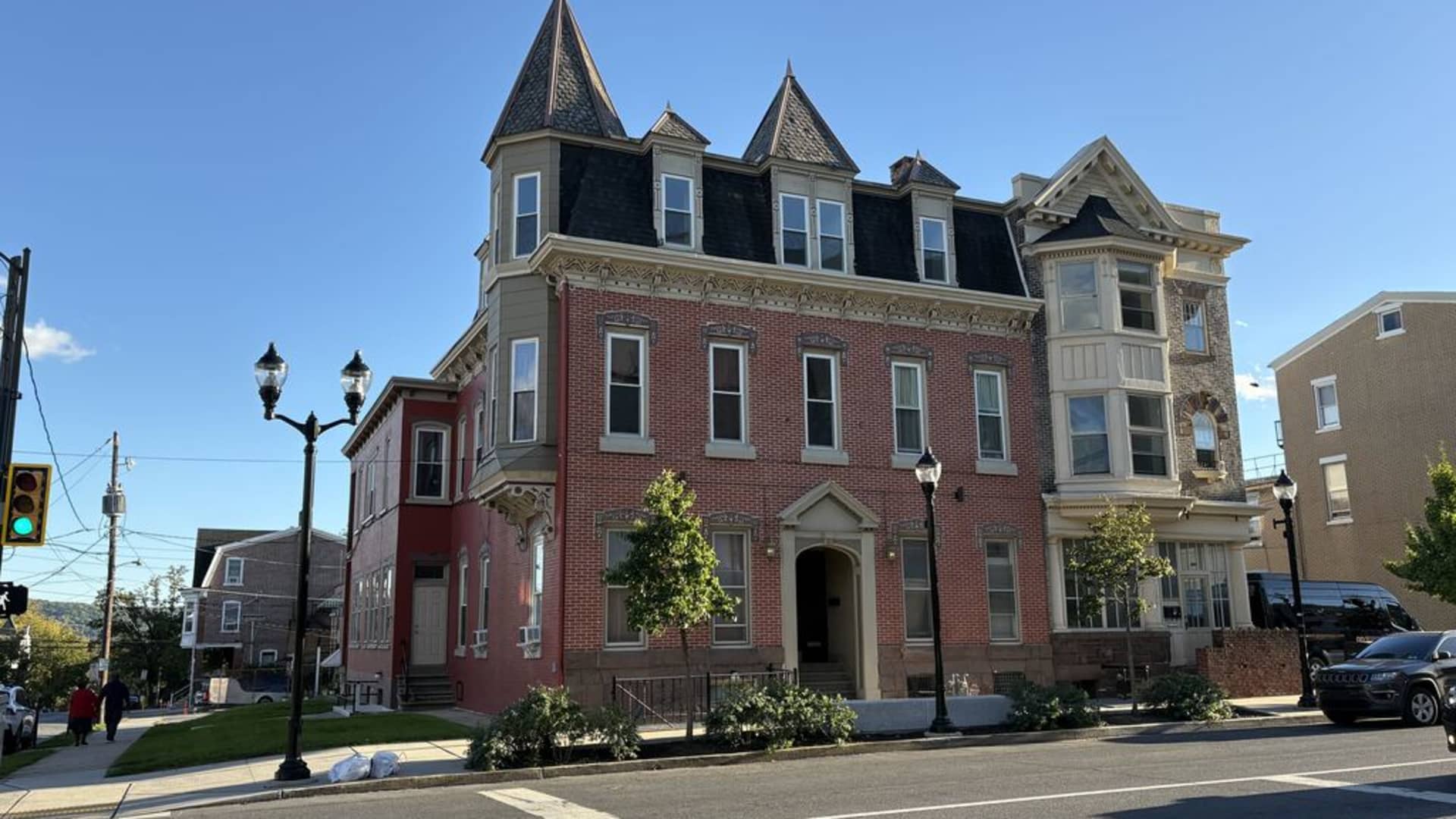
Young voters in Pennsylvania and across the U.S. face unprecedented housing affordability challenges, yet remain skeptical of political solutions. As renting becomes a long-term reality, tenants are increasingly organizing to demand greater political influence.
The Housing Affordability Crisis and the Evolving Electorate
In competitive U.S. House districts, particularly within the swing state of Pennsylvania, housing affordability has emerged as a critical point of contention. As mortgage rates climb and home prices remain elevated, the dream of homeownership is becoming increasingly elusive for younger generations. This economic friction is not merely a financial issue but a potent political force that could influence the balance of power in the next Congress.
The Erosion of Affordability in Pennsylvania
While Pennsylvania has traditionally offered a more accessible housing market compared to national averages, the state is not immune to broader inflationary pressures. Data from Cotality highlights a stark shift: the share of median income required to rent has risen from 20% in 2019 to 22% today, while the cost of ownership has jumped from 18% to 24%. This upward trajectory in costs creates a compounding burden for individuals attempting to transition from renting to starter homes, or from starter homes to larger family properties.
The Shift Toward a Renting-Class Movement
Historically, American housing policy has been heavily skewed toward incentivizing homeownership through tax breaks and subsidized mortgage structures. However, as young Americans face the prospect of renting indefinitely, the political landscape is shifting. A new movement of renters is beginning to coalesce, seeking to translate their precarious economic position into tangible political clout. These voters are looking for policy solutions that address the specific needs of the non-homeowning population, which has been largely sidelined by traditional platforms.
Political Skepticism Among the Youth
Despite the severity of the housing crisis, there is a palpable sense of disillusionment among young voters regarding the capacity or willingness of political candidates to provide meaningful relief. This skepticism stems from years of policy that prioritized existing homeowners over those entering the market. For these voters, the current economic indicators suggest that neither party has fully grasped the urgency of the housing supply and cost crisis.
Broader Implications for Congressional Control
As Pennsylvania remains a key battleground for control of the U.S. House of Representatives, the housing issue serves as a litmus test for candidate viability. If political actors fail to address the systemic barriers to entry in the housing market, they risk alienating a demographic that is increasingly aware of its collective economic weight. The ability to bridge the gap between policy rhetoric and the harsh reality of rising costs will likely determine which candidates can successfully mobilize this frustrated voting bloc.
Future Trends and Policy Outlook
Looking ahead, the intersection of economic instability and political activism suggests that housing policy will remain a central fixture of national campaigns. We can expect to see more platforms focusing on tenant protections, zoning reform, and housing supply initiatives as renters demand parity with homeowners. Whether these policy pivots will be enough to restore faith in the electoral process remains to be seen, but the era of ignoring the political needs of the renter class is rapidly coming to an end.
Multiple Citing Sources