Dipke alleges police clampdown ahead of Jantar Mantar protest
Source Entity
Latest News: Todays Latest News Headlines from India & World | Hindustan Times | Hindustan Times
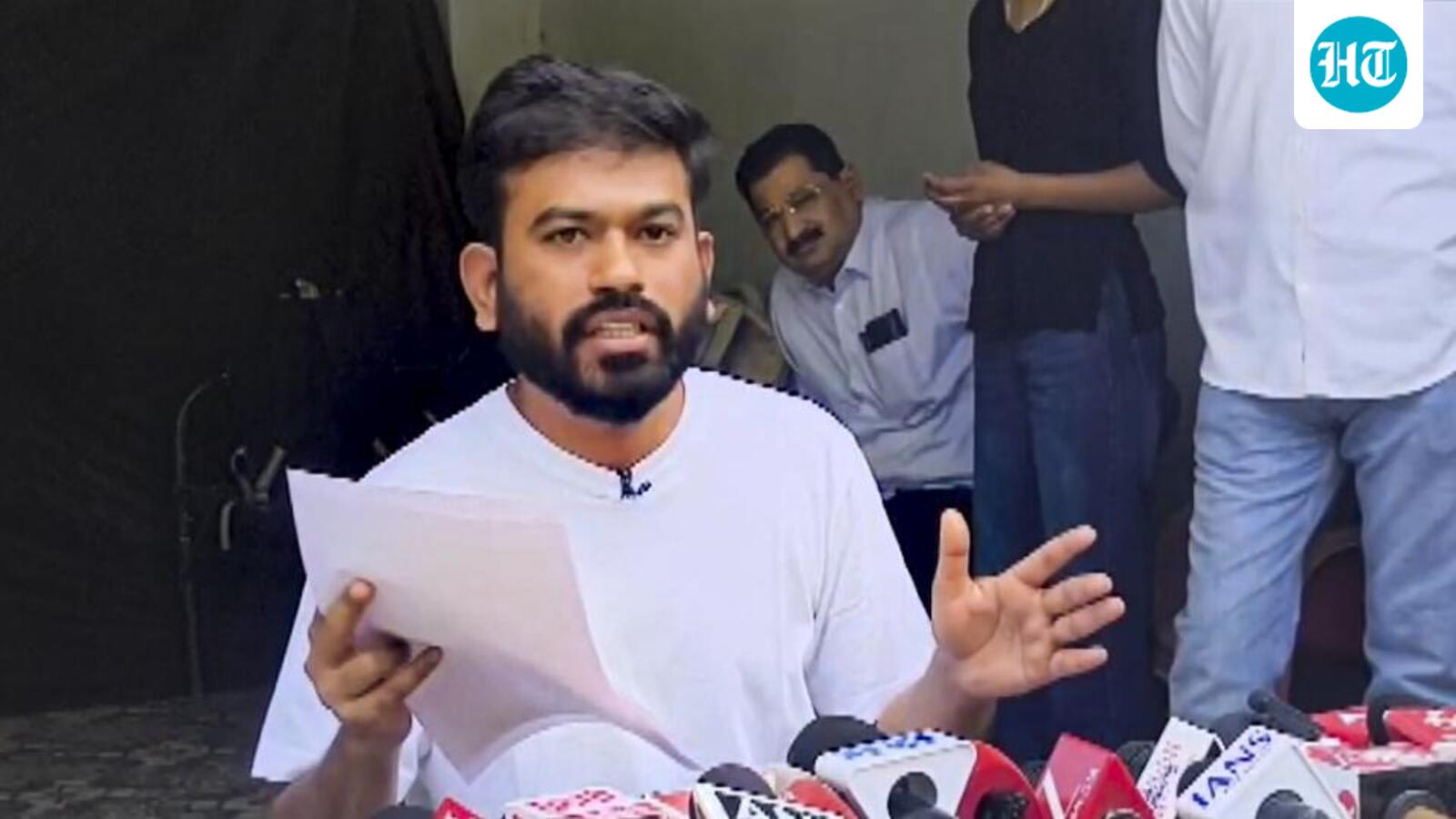
Cockroach Janta Party founder Abhijeet Dipke has alleged that police in Maharashtra are suppressing members ahead of a planned October 10 protest in Delhi. Meanwhile, Delhi Police are actively tracking individuals with criminal records linked to previous CJP demonstrations to prevent their participation.
Allegations of Pre-Protest Crackdown on CJP
Recent developments have signaled rising tensions between the Cockroach Janta Party (CJP) and law enforcement agencies across multiple Indian states. CJP founder Abhijeet Dipke has publicly alleged that the Maharashtra police are employing restrictive tactics, including the issuance of notices to party workers, to dissuade them from participating in an upcoming protest scheduled for October 10 at Jantar Mantar in New Delhi. Dipke, speaking from Chhatrapati Sambhaji Nagar, characterized these actions as reminiscent of Delhi police protocols, citing concerns over intimidation and intrusive questioning regarding the party's funding sources for travel.
Expanding Pressure Across Maharashtra
The allegations of police pressure are not confined to a single locality. Reports from party members in Mumbai and Nagpur corroborate Dipke’s claims, suggesting a coordinated effort to keep CJP activists away from the national capital. In Mumbai, participants of a party meeting reported the presence of plainclothes officers documenting names and issuing warnings regarding potential FIRs. Similarly, in Nagpur, party coordinators have alleged direct home visits by law enforcement, indicating a widespread strategy to monitor and potentially discourage the mobilization of CJP cadres ahead of their 'Jantar Mantar 2.0' demonstration.
The Core Demands and Political Context
The protest, which follows an October 2 rally at Mumbai’s Shivaji Park, is centered on a specific political demand: the resignation of Chief Election Commissioner (CEC) Gyanesh Kumar. The CJP has framed this call to action around alleged irregularities in the Special Intensive Revision (SIR) of electoral rolls and broader claims of 'vote chori' (vote theft). This demand gains significant context when viewed alongside recent public discourse regarding internal ruptures within the Election Commission of India, which have fueled skepticism among certain political factions regarding the integrity of electoral processes.
Delhi Police’s Security and Surveillance Strategy
Simultaneously, the Delhi Police have implemented a stringent security posture in the capital. Officials have confirmed that they are actively tracking approximately 2,800 individuals identified as having criminal backgrounds who were previously seen participating in CJP-led protests against the NEET paper leak in July. By utilizing the Facial Recognition System (FRS) and coordinating with local police stations, the authorities intend to prevent these individuals from reaching the protest site. Notably, as of the current reports, the Delhi Police have not yet granted formal permission for the October 10 gathering.
Broader Implications for Civil Protest
This standoff highlights the delicate balance between the right to peaceful assembly and the state's responsibility to maintain public order. The CJP’s accusation of a preemptive 'clampdown' suggests a growing friction between emerging political movements and administrative oversight. As the October 10 deadline approaches, the situation underscores the increasing reliance on surveillance technology, such as facial recognition, to manage political dissent and the potential for legal challenges regarding the denial of protest permits.
Future Trends in Political Mobilization
Looking ahead, the tactics employed by both the CJP and the police are likely to set a precedent for how future protests are managed in India. If the CJP succeeds in mobilizing despite the alleged police notices, it may embolden the party’s base but could also lead to more frequent legal interventions. Conversely, if the police successfully neutralize the protest through surveillance and administrative notices, it may signal a shift toward more restrictive environments for political organizations attempting to challenge constitutional bodies like the Election Commission.
Verification Required?