Gujarat Hardlook: In the State Capital, Indroda Fort set to rise from ruins
Source Entity
Parimal A Dabhi
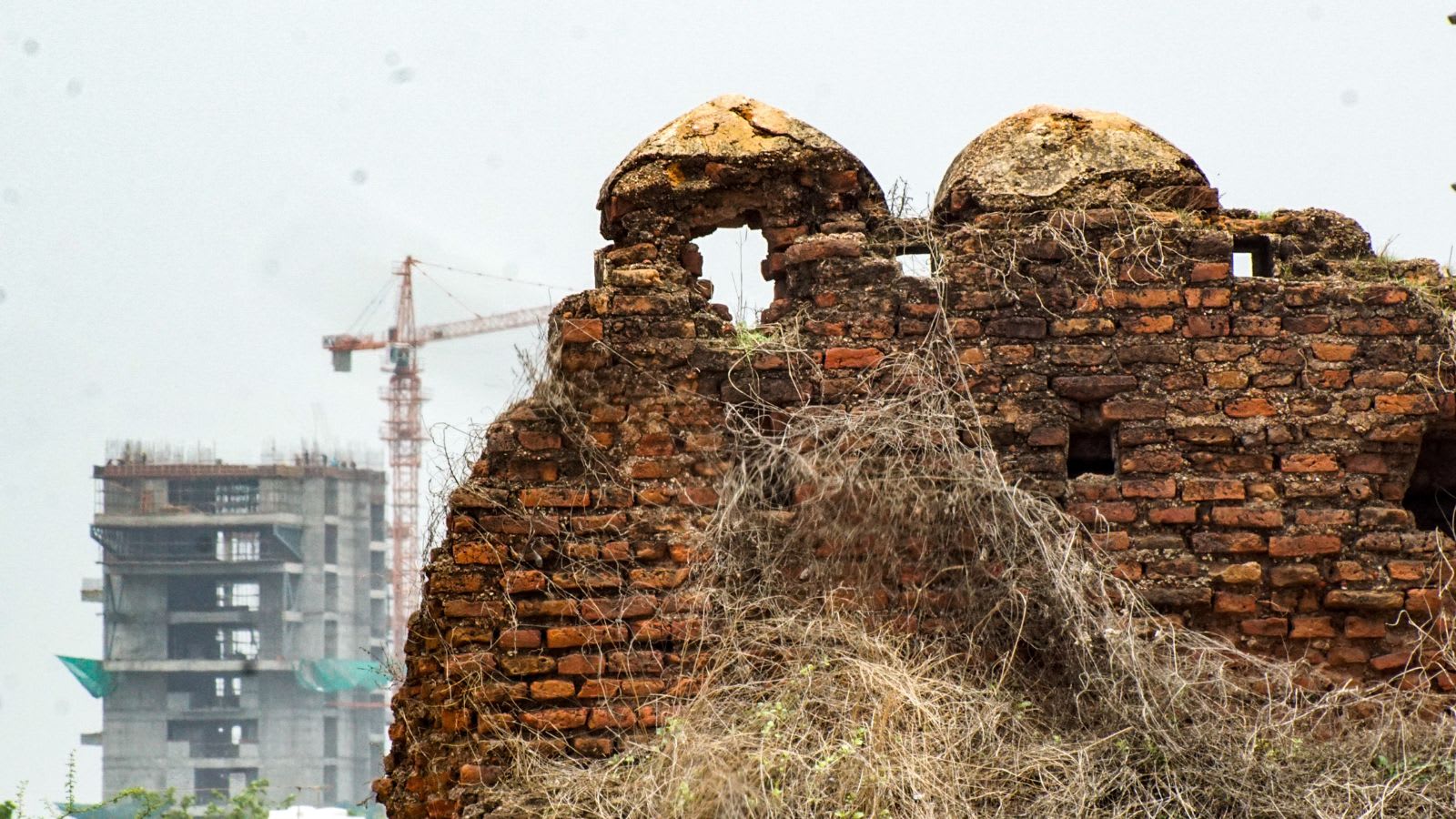
A diya burns in a makeshift niche carved in a brick wall that was once part of a fort. Next to the wall stands a shrine protected by a diamond-mesh cage with a tin sheet used as its roof. The shrine, ...
Reviving the Echoes of the Past: The Restoration of Indroda Fort
The discovery and subsequent effort to restore the Indroda Fort in Gujarat's state capital marks a significant moment in the region's commitment to heritage preservation. Currently, the site presents a poignant image of neglect and grassroots devotion, where ancient brick walls serve as makeshift niches for diyas and shrines are protected by rudimentary tin sheets and diamond-mesh cages. This juxtaposition highlights the tension between the site's historical grandeur and its current state of decay, setting the stage for a transformation that aims to bring the fort back from the ruins.
The Architectural and Cultural State of Decay
The current condition of the Indroda Fort reflects a common trajectory for many smaller fortifications across the Indian subcontinent, where official neglect often leads to the site being reclaimed by nature or repurposed by local communities for spiritual use. The mention of a "makeshift niche carved in a brick wall" suggests that while the formal structure of the fort has crumbled, the site remains a living space for the local population. The use of tin roofs and wire cages indicates a desperate attempt to preserve small pockets of sanctity within a larger landscape of ruin, illustrating a gap between formal archaeological conservation and community-led maintenance.
Historical Context of Gujarat's Fortifications
Gujarat has a rich history of strategic fortifications, ranging from the coastal defenses of the Sultanate era to the inland strongholds of various Rajput and Maratha influences. Indroda Fort, situated within the modern administrative heart of the state, serves as a reminder that the current urban sprawl of the state capital is built upon layers of older strategic settlements. By restoring this fort, the state is not merely repairing walls but is reclaiming a physical link to the defensive and administrative logic of a bygone era, providing a tangible sense of place and history to a city often viewed primarily through the lens of modern planning.
The Implications of the Restoration Effort
The initiative to make the Indroda Fort "rise from ruins" suggests a shift toward integrated heritage management. When a state invests in the restoration of a niche site like Indroda, it signals a broader move toward diversifying tourism and educational resources. Rather than focusing solely on world-famous landmarks, the revitalization of local forts allows for a more granular understanding of regional history. This process likely involves careful archaeological surveying to ensure that the "rising" of the fort does not erase the authentic patina of age or the organic layers of community usage that have accumulated over decades.
Future Trends in Heritage Tourism and Urban Integration
Looking forward, the restoration of Indroda Fort is likely to follow a trend of "urban heritage pockets," where historical sites are integrated into the modern city fabric as green spaces or open-air museums. As Gandhinagar continues to grow as a hub of governance and technology, the presence of a restored fort provides a necessary psychological and aesthetic counterpoint to concrete architecture. We can predict that the site will evolve from a place of makeshift shrines into a structured cultural destination, potentially incorporating interpretive centers that explain the fort's role in the regional defense network.
Conclusion: Bridging the Gap Between Ruin and Renaissance
In summary, the transition of Indroda Fort from a collection of ruins and makeshift shrines to a restored landmark is a vital step in preserving Gujarat's architectural legacy. By acknowledging the site's current state—where faith persists amidst decay—and committing to its restoration, the state ensures that the narrative of the region's past is not lost to urban expansion. The successful revival of the fort will stand as a testament to the balance between honoring the living traditions of the local people and the scientific rigor of historical preservation.