Inflation is outpacing wage growth again, squeezing Americans’ paychecks
Source Entity
US Top News and Analysis
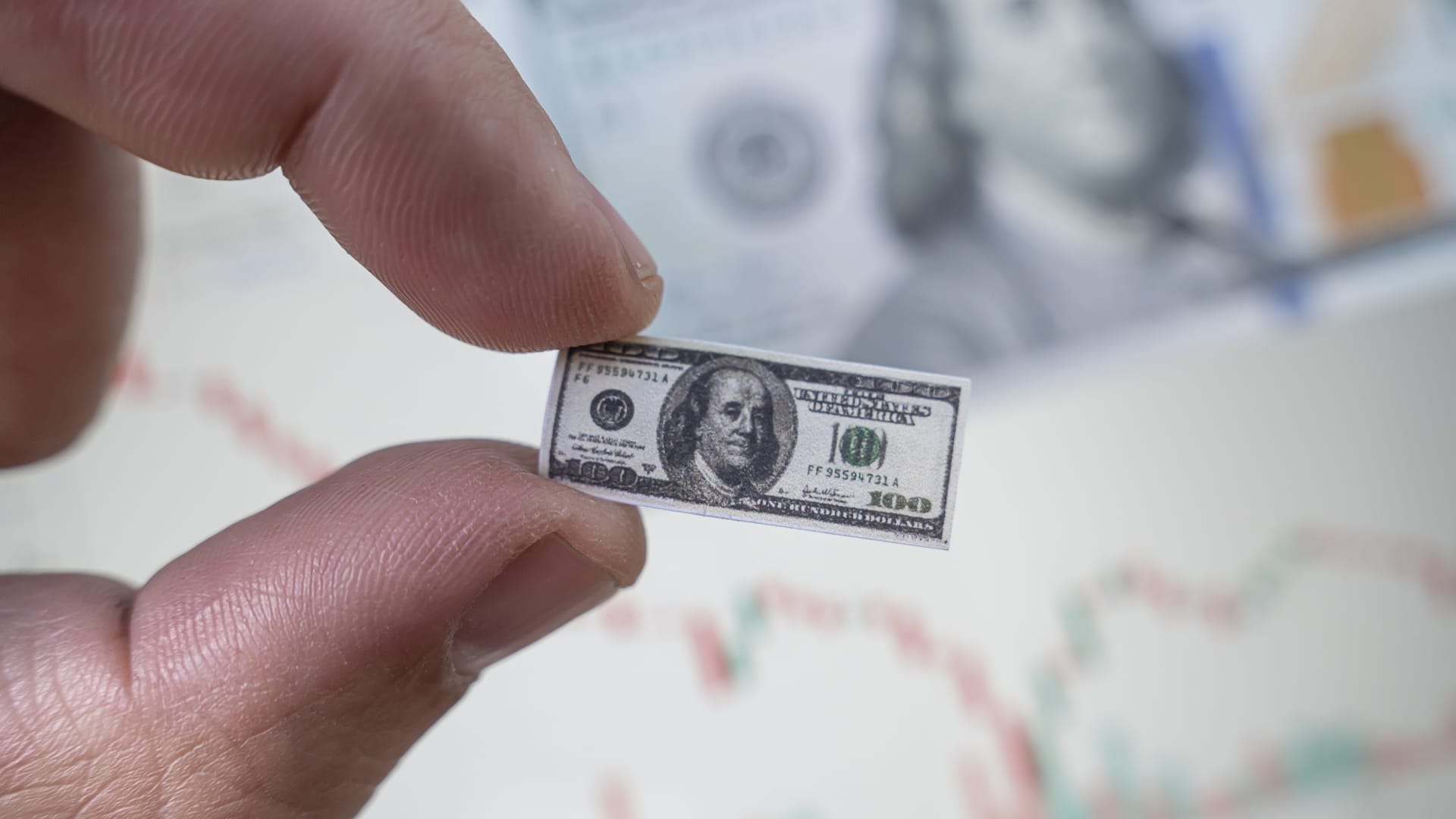
U.S. consumer prices rose by 3.4% in August, outpacing wage growth of 3.1% and eroding the purchasing power of American workers. This persistent gap highlights a cooling labor market and ongoing economic strain for households nationwide.
The Erosion of Purchasing Power: August Economic Analysis
Recent data from the U.S. Bureau of Labor Statistics (BLS) paints a challenging picture for the American workforce. In August, the economy hit a significant inflection point as consumer prices climbed by 3.4% over the previous twelve months, while average hourly earnings managed only a 3.1% increase. This divergence signifies a negative trajectory for real wages, effectively meaning that the average worker’s paycheck buys less today than it did a year ago.
The Cooling Labor Market
Historically, the post-pandemic period saw a flurry of wage competition as businesses scrambled to attract talent. However, that momentum has cooled substantially. As the labor market stabilizes, the aggressive wage growth seen in previous years has decelerated, failing to keep pace with the sticky nature of current inflation. This cooling effect, coupled with persistent price pressures, places the average household in a precarious financial position where essential goods and services consume an increasing share of disposable income.
Defining Real Wage Decline
To understand the gravity of this situation, one must look at 'real' earnings—a metric that adjusts nominal pay for inflation. According to the latest BLS report, real average hourly earnings fell by 0.1% from July to August and recorded a 0.3% decline compared to the previous year. This metric is the most accurate barometer for the standard of living; when it trends downward, it serves as a stark reminder that nominal raises are being entirely neutralized by the rising cost of living.
Economic Implications for Households
As noted by experts, a substantial number of Americans are finding themselves objectively worse off. When income growth lags behind the Consumer Price Index (CPI), families are forced to make difficult trade-offs. This often manifests in reduced savings, increased reliance on credit, or the deferral of major life purchases. The psychological and financial toll of this 'inflation tax' is cumulative, affecting long-term financial security for millions.
Future Trends and Outlook
Moving forward, the primary concern for policymakers and economists is how long this gap will persist. If inflation does not temper, or if wage growth does not see a resurgence, the contraction in consumer purchasing power will likely drag on broader economic growth. The current data suggests that the economy is in a transition phase where the cost of living remains stubbornly high, and the labor market's ability to provide a buffer for workers is currently failing to meet the challenge of the current inflationary environment.