An Inflation Quadruple Whammy, Headlined by Trumpflation, Threatens to Crush the Stock Market
Source Entity
Yahoo Finance
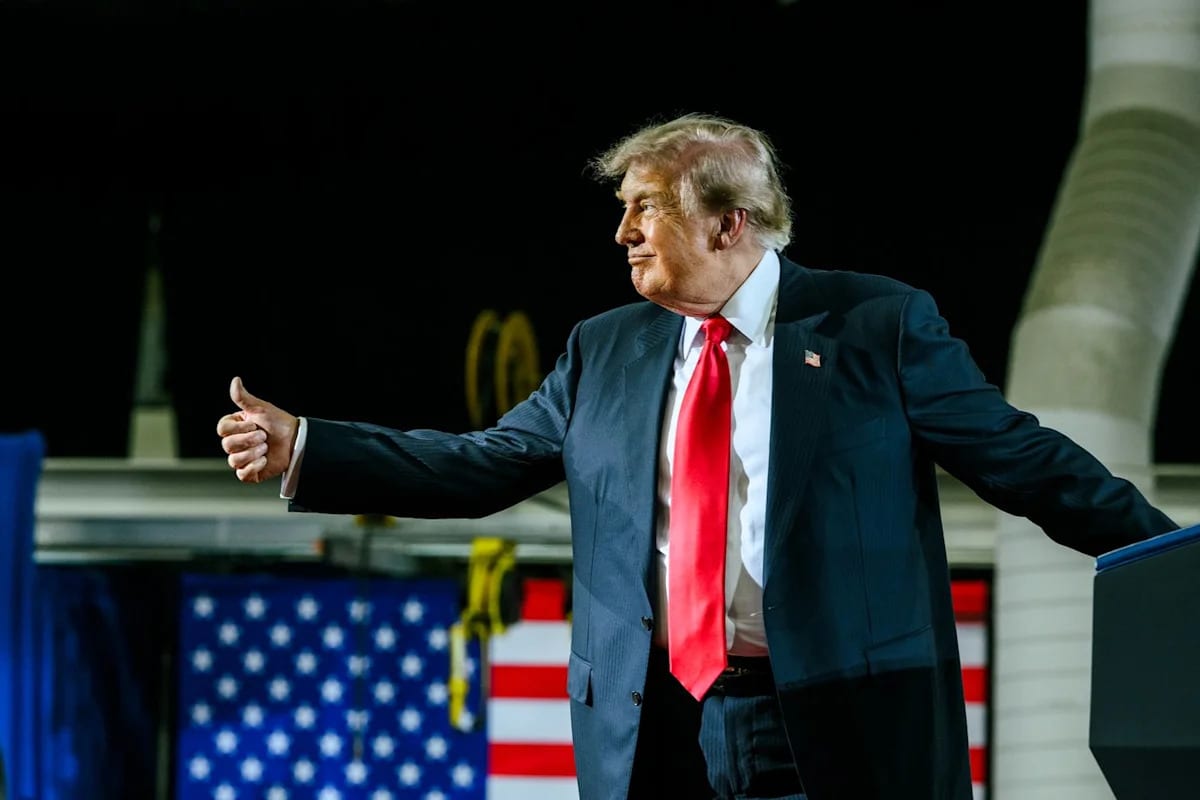
The U.S. economy faces inflationary pressure from reinstated tariffs on imported goods like steel. Despite legal challenges, the administration's persistent trade policies continue to drive up production costs for domestic manufacturers.
The Economic Impact of Resurgent Tariff Policies
The American economic landscape is currently navigating a period of significant volatility, primarily driven by the implementation of aggressive trade policies often characterized as 'Trumpflation.' Central to this issue is the imposition of duties on unfinished imported goods, most notably steel. By increasing the baseline cost of essential raw materials, these tariffs create a ripple effect that forces U.S. manufacturers to absorb higher production expenses. Ultimately, these costs are transferred to the end consumer, contributing to a persistent inflationary environment that challenges market stability.
The Mechanics of Cost-Push Inflation
Economic theory suggests that when the cost of imported inputs rises, domestic firms face a difficult choice: sacrifice profit margins or increase retail prices. The current administration’s strategy of leveraging tariffs on materials like steel directly exacerbates this pressure. As former Federal Reserve Chair Jerome Powell previously observed, the goods sector remains particularly sensitive to trade-related price shocks. The ongoing reliance on these mechanisms suggests that the inflationary trends observed in recent years are unlikely to abate in the near term.
A Cycle of Legal and Administrative Conflict
In April 2025, the administration introduced sweeping global tariffs and reciprocal duties aimed at addressing perceived trade imbalances. This aggressive stance led to a significant legal confrontation, culminating in a February 2026 U.S. Supreme Court ruling that struck down the so-called 'Liberation Day' tariffs. However, the administration’s subsequent decision to reinstate these measures under alternative legal justifications highlights a persistent commitment to protectionist trade policy, regardless of judicial intervention.
Implications for the Manufacturing Sector
For U.S. manufacturers, the unpredictability of these trade policies creates a hostile environment for long-term capital investment. When firms cannot reliably forecast the cost of their supply chains, they often delay expansion or hiring. This uncertainty does not merely affect large corporations; it filters down to small and medium-sized enterprises that rely on imported components to remain competitive. The continued use of selective tariffs ensures that the cost of doing business remains elevated, potentially stifling industrial growth.
Market Outlook and Future Trends
Looking ahead, the tension between protectionist trade agendas and the realities of a globalized supply chain will likely remain a focal point for investors. If the administration continues to find new legal avenues to bypass previous court rulings, the stock market may face sustained 'inflationary headwinds.' Analysts are closely monitoring these developments, as the correlation between tariff implementation and market performance has become increasingly direct. The future of the U.S. stock market may well depend on whether these trade policies are viewed as temporary leverage or a permanent shift in economic strategy.