A new skyline of data centres is rising from the rolling plains of rural China
Source Entity
BBC News
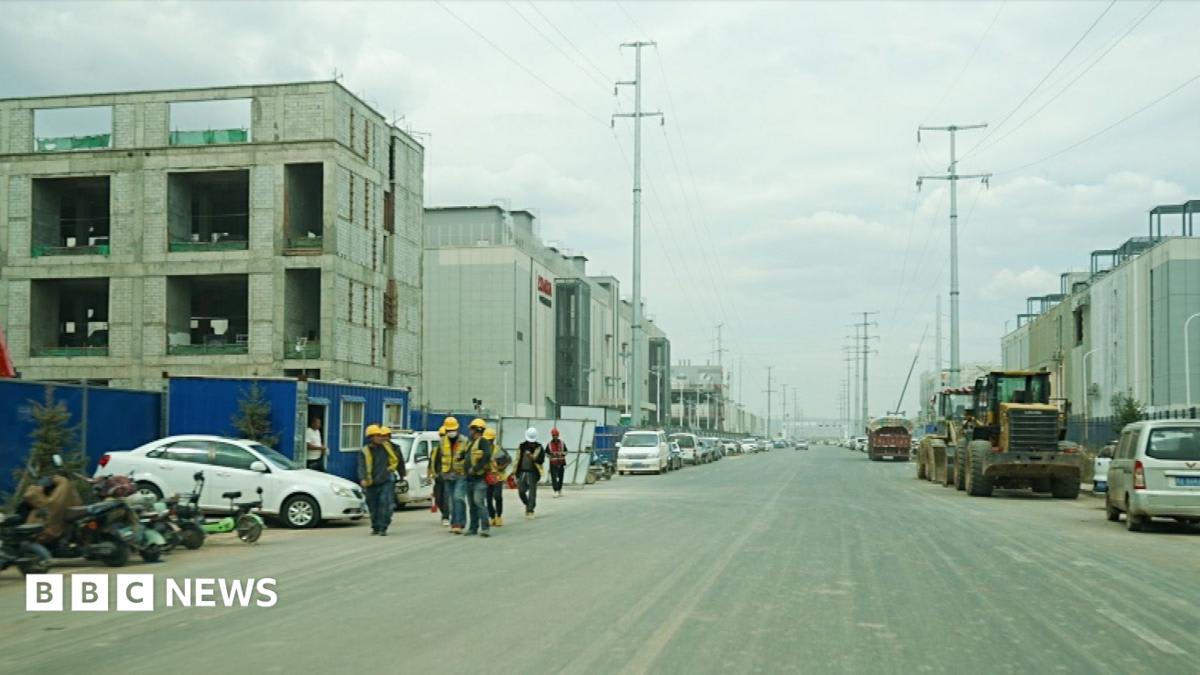
Inner Mongolia is transforming from a traditional agricultural hub into a critical digital frontier for China's AI ambitions. As data centers rise alongside potato farms, leaders Xi Jinping and Donald Trump prepare to discuss AI safety protocols.
The Digital Transformation of the Grasslands
In the expansive, windswept plains of Inner Mongolia, a profound socioeconomic shift is currently unfolding. Ulanqab, long celebrated as China’s official "potato capital," is undergoing a rapid metamorphosis as it becomes the unlikely epicenter of the nation's burgeoning artificial intelligence infrastructure. Where farmers once focused exclusively on the harvest of the land, the landscape is now dominated by the skeletal frames of massive data centers, signaling a transition from an agrarian-based economy to a high-tech digital frontier.
Infrastructure at 'China Speed'
The physical construction process in Ulanqab is a testament to what is colloquially termed "China speed." The site is a hive of activity, characterized by yellow-helmeted workers, heavy machinery, and precision engineering that mirrors the country's broader commitment to rapid industrialization. This infrastructure-heavy approach is designed to provide the computational backbone necessary to fuel China's domestic AI platforms, ensuring the nation maintains its competitive edge in the global race for technological supremacy.
AI Ambitions and Global Geopolitics
The construction of these facilities serves as the backdrop for a critical moment in international diplomacy. As dozens of data centers rise from the steppes, leaders Xi Jinping and Donald Trump are scheduled to meet in Washington to discuss the future of AI safety. This meeting is of paramount importance, as it brings together the two primary superpowers in the AI domain to navigate the risks and regulatory frameworks required to manage advanced artificial intelligence technologies.
Divergent Perspectives on Digital Growth
There is a notable contrast in how the data center industry is perceived within China compared to the United States. While China views these installations as essential components of national development and sovereign technological strength, the discourse in the West often focuses on different priorities. Reporting from the ground in Inner Mongolia highlights these cultural and strategic differences, illustrating how the physical manifestation of AI—massive, energy-intensive buildings—is interpreted differently by various stakeholders.
The Future of the Digital Frontier
Looking ahead, the integration of high-tech industrial hubs into rural landscapes like Ulanqab raises questions about the sustainability and future trajectory of AI development. As these data centers go online, they will require immense power and cooling, potentially impacting the local environment and the traditional agricultural practices that have defined the region for generations. Balancing this rapid technological expansion with the need for global safety standards and local economic stability will remain a defining challenge for both the Chinese government and its international counterparts.
Conclusion
The rise of data centers in Inner Mongolia is more than a mere construction project; it is a physical manifestation of China’s strategic pivot toward an AI-led future. By juxtaposing the traditional potato farms of Ulanqab with the cutting-edge infrastructure of global AI, we gain a clear view of the scale of this transition. As leaders convene to discuss the safety of this technology, the world watches to see how these massive "engine rooms" of the digital age will shape the future of global innovation and geopolitical cooperation.