Inscriptions offer valuable insights into achievements of past generations, says expert
Source Entity
India Latest News: Top National Headlines Today & Breaking News | The Hindu
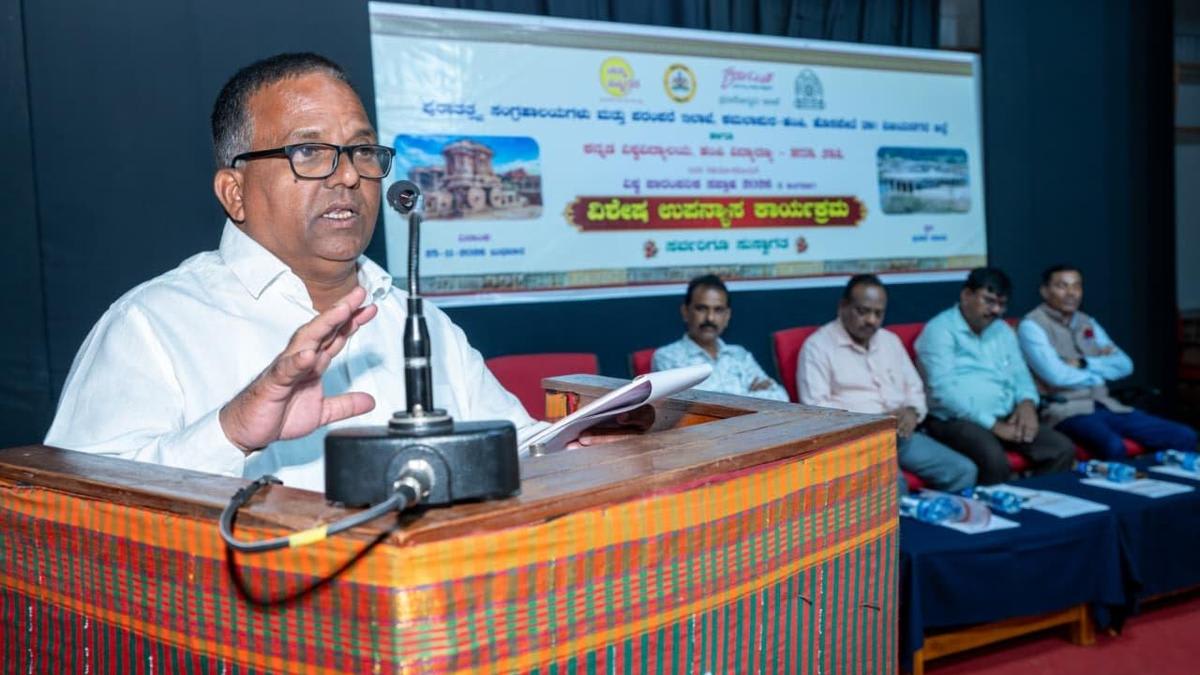
Prof. Ramesh Nayak emphasized the critical role of inscriptions in preserving historical achievements and cultural identity during a World Heritage Week lecture. The event highlighted how these epigraphic records serve as essential tools for reconstructing chronology and understanding past civilizations.
The Silent Chronicles: Decoding History Through Inscriptions
During a recent lecture at Kannada University in Hampi, Professor Ramesh Nayak highlighted the profound significance of epigraphy in the modern era. Speaking as part of the World Heritage Week 2026-27 observations, Prof. Nayak underscored that inscriptions are far more than mere carvings on stone or metal; they are the primary archives of human history. By acting as a bridge between the distant past and the present, these artifacts allow historians to move beyond conjecture and ground their understanding of ancient life in empirical, physical evidence.
Establishing Chronology and Historical Truth
One of the most critical functions of inscriptions, as noted by Prof. Nayak, is the establishment of historical chronology. In the absence of contemporary written records, inscriptions provide the backbone for dating events, dynasties, and societal shifts. By documenting royal decrees, land grants, and temple dedications, these epigraphic sources offer a precise timeline that helps scholars map the trajectory of human civilization with a degree of accuracy that oral traditions alone cannot provide.
Cultural Identity and Belief Systems
Beyond mere dates and names, inscriptions offer a window into the psyche of past generations. Prof. Nayak pointed out that these records reveal the deeply held beliefs, societal values, and daily customs of people long gone. By analyzing the language, script, and content found in these inscriptions, researchers can reconstruct the social hierarchy and religious frameworks of ancient societies, thereby providing a comprehensive view of how human beings interacted with their environment and their deities.
The Role of Institutional Collaboration
The lecture, organized through a collaborative effort between Kannada University and the Department of Archaeology, Museums and Heritage in Kamalapura, serves as a model for institutional engagement with cultural preservation. This partnership underscores the importance of academic and governmental cooperation in protecting heritage sites. Such initiatives are vital for the continued maintenance and study of the thousands of inscriptions that remain scattered across regional landscapes, often at risk of environmental degradation.
Future Trends in Epigraphic Research
As technology advances, the study of inscriptions is set to evolve. Modern imaging techniques and digital database creation are allowing scholars to document and analyze these historical records with unprecedented speed and accessibility. Prof. Nayak’s lecture serves as a timely reminder that while our tools for analysis are becoming digital, the core mission remains the same: to curate and interpret the achievements of our ancestors so that these narratives are not lost to time.
Concluding Reflections
Ultimately, the preservation of inscriptions is a testament to the enduring human curiosity regarding our origins. As the world marks World Heritage Week, the insights shared by Prof. Nayak remind us that our historical identity is etched into the very landscapes we inhabit. By valuing these inscriptions, we ensure that the achievements of past generations remain a vibrant, active part of our collective human story.
Verification Required?