Not even Sam Altman is safe from AI deepfakes on Instagram
Source Entity
Mia Sato
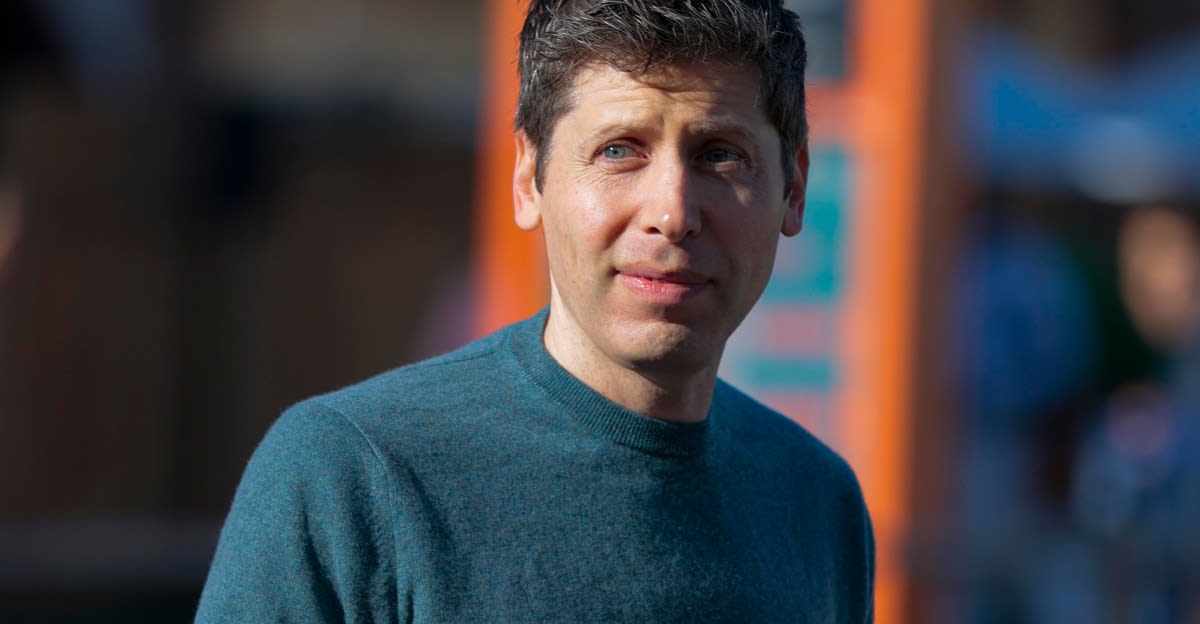
Instagram is launching a new 'content protection' tool to help creators identify and manage unauthorized reposts and AI-manipulated videos. This initiative aims to combat the rising prevalence of deepfakes and content theft across Meta’s platforms.
Protecting Creativity in the Age of AI
Instagram has officially announced the rollout of a new "content protection" feature designed to empower creators in the face of widespread content theft. This tool, which functions by continuously scanning Instagram and Facebook for visual matches of original videos, provides creators with an automated alert system when their work is reposted without permission. By enabling creators to review these matches and decide on the appropriate course of action, Meta is attempting to restore a sense of ownership over digital assets that have historically been vulnerable to scraping and unauthorized redistribution.
Addressing the Deepfake Dilemma
The urgency of this update is underscored by the current state of the platform, which is increasingly saturated with AI-modified content. The prevalence of deepfakes has reached even the highest echelons of the tech industry, as evidenced by a recent video featuring Meta CEO Mark Zuckerberg and OpenAI CEO Sam Altman, which was manipulated using AI to depict them in absurd contexts. As generative AI makes it trivial for bad actors to alter or spoof public figures and creators alike, the need for robust detection mechanisms has shifted from a convenience to a necessity for platform integrity.
Extending Facebook’s Legacy Protections
This new Instagram feature is not an entirely novel concept; rather, it is an expansion of a tool already successfully deployed on Facebook. By bringing this technology to Instagram, Meta is creating a unified safety net across its primary social ecosystems. This move reflects a broader industry recognition that "Reels" and other short-form video formats are the primary battleground for digital intellectual property, necessitating more proactive, automated oversight than manual reporting systems could ever provide.
Empowering the Creator Economy
For many creators, their video output is their livelihood. When content is copied, reposted, or deepfaked, it not only dilutes the creator's brand but also siphons off potential revenue and audience engagement. The new tool serves as a critical infrastructure upgrade for the "creator economy," allowing those who enroll to maintain control over how their likeness and creative labor are disseminated. This is a vital step in maintaining creator trust, especially as AI-generated content becomes indistinguishable from reality.
Future Implications and Challenges
Looking forward, the success of this tool will depend on its accuracy and the speed at which it can identify nuanced AI manipulations. As AI models become more sophisticated, the "cat and mouse" game between detection tools and generative software will likely intensify. While Instagram’s current focus is on visual matching, the platform may eventually need to integrate more advanced digital watermarking or metadata verification to stay ahead of deepfake technology. Ultimately, this rollout represents a significant commitment by Meta to prioritize the sanctity of original content in an increasingly synthetic digital landscape.