Iran’s growing exodus of young talent
Source Entity
The Indian Express
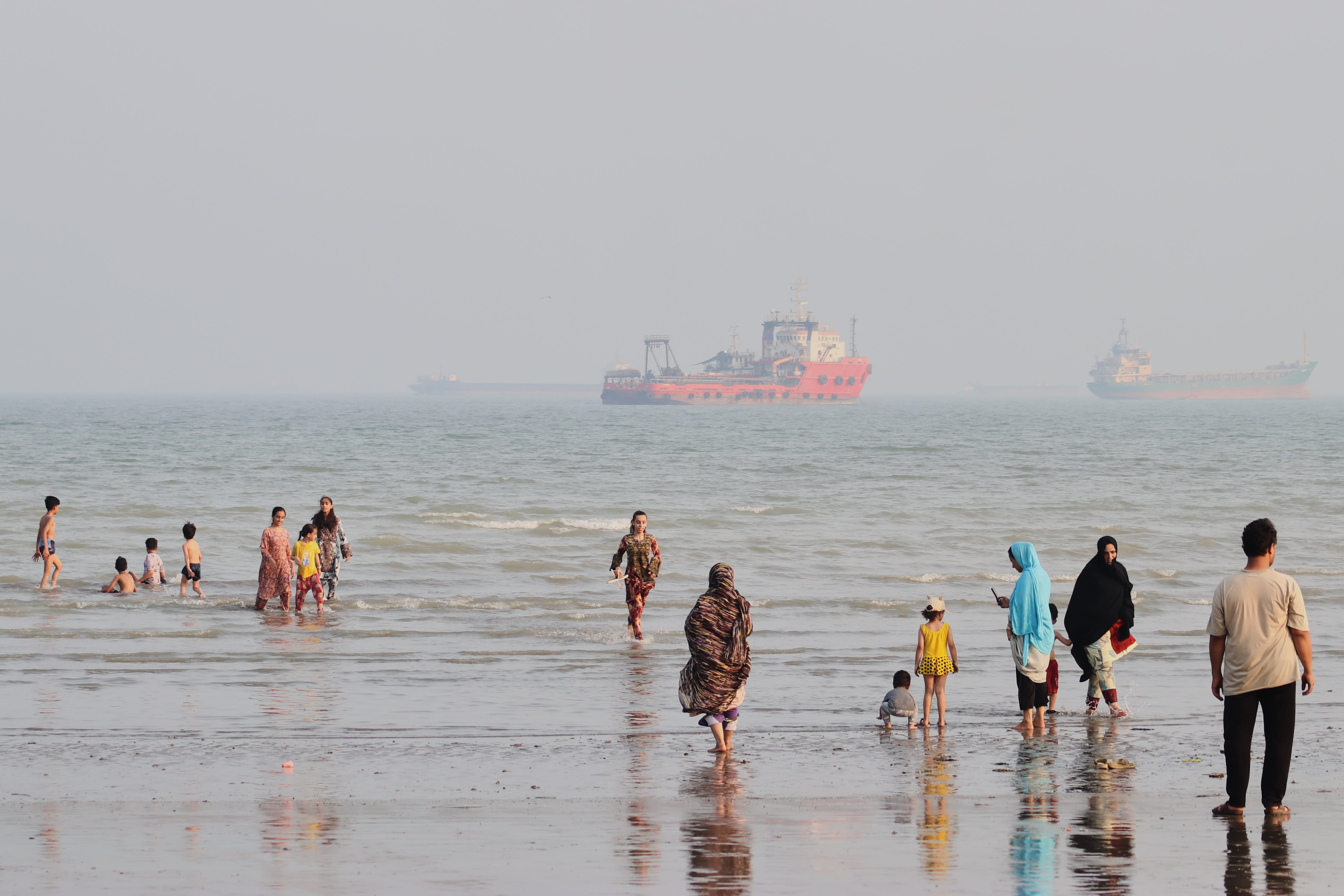
Iran is experiencing a significant brain drain as young professionals, including physicians, flee the country. The exodus is driven by the aftermath of the 2022 Jina Mahsa Amini protests and escalating regional geopolitical tensions.
The Silent Departure: Iran’s Escalating Brain Drain
Recent reports highlight a troubling trend of young, highly skilled professionals choosing to emigrate from Iran. This exodus, exemplified by the account of a physician in her mid-30s currently seeking refuge in Turkey, underscores a deep-seated disillusionment among the nation's educated youth. As these individuals depart, Iran faces a critical loss of human capital that threatens the long-term stability and functionality of its healthcare and economic sectors.
The Catalyst: The 2022 'Woman, Life, Freedom' Movement
The impetus for this migration can be traced back to the death of Jina Mahsa Amini in 2022 while in the custody of Iran’s morality police. Her death, tied to allegations of violating strict dress codes, ignited the widespread “Woman, Life, Freedom” movement. This socio-political upheaval forced many young Iranians to confront the rigidity of state mandates, leading to a profound shift in their perception of personal freedom and safety within their home country.
Geopolitical Pressures and Economic Uncertainty
Beyond domestic social unrest, the physician’s testimony highlights that external regional tensions, specifically the ongoing US-Israel conflict involving Iran, have acted as a significant catalyst for departure. The uncertainty surrounding regional security creates an environment where professional advancement and personal safety feel increasingly unattainable. For many, the choice to leave is not merely a political statement but a pragmatic response to a perceived lack of future prospects.
The Human Cost of Migration
The personal narrative of the physician—who now resides in a rented apartment in Turkey while awaiting passage to Germany—illustrates the arduous nature of this migration. Families are often uprooted, living in temporary conditions as they navigate complex immigration pathways. This process represents a significant trauma, stripping the nation of its brightest minds and leaving families fractured across borders.
Long-term Implications for Iranian Society
The cumulative effect of this talent flight is a hollowed-out professional class. When physicians, engineers, and academics leave in significant numbers, the state loses the ability to innovate and provide essential services. Historically, nations that experience sustained brain drain struggle to recover, as the loss of intellectual capital stifles economic growth and public health development. Unless the underlying drivers—both social and geopolitical—are addressed, this trend is likely to continue, leaving Iran with a diminished capacity to support its population.
Conclusion
In summary, the exodus of young Iranian talent is a multifaceted crisis rooted in both the internal struggle for civil liberties and the external pressures of regional conflict. The departure of professionals like the physician interviewed serves as a bellwether for the country's future. Without systemic changes that offer young Iranians security and agency, the nation risks losing the very demographic essential for its modernization and progress.