Qatar calls Iran’s claim ‘misleading’, denies capturing 3 pilots after March strike
Source Entity
TOI WORLD DESK
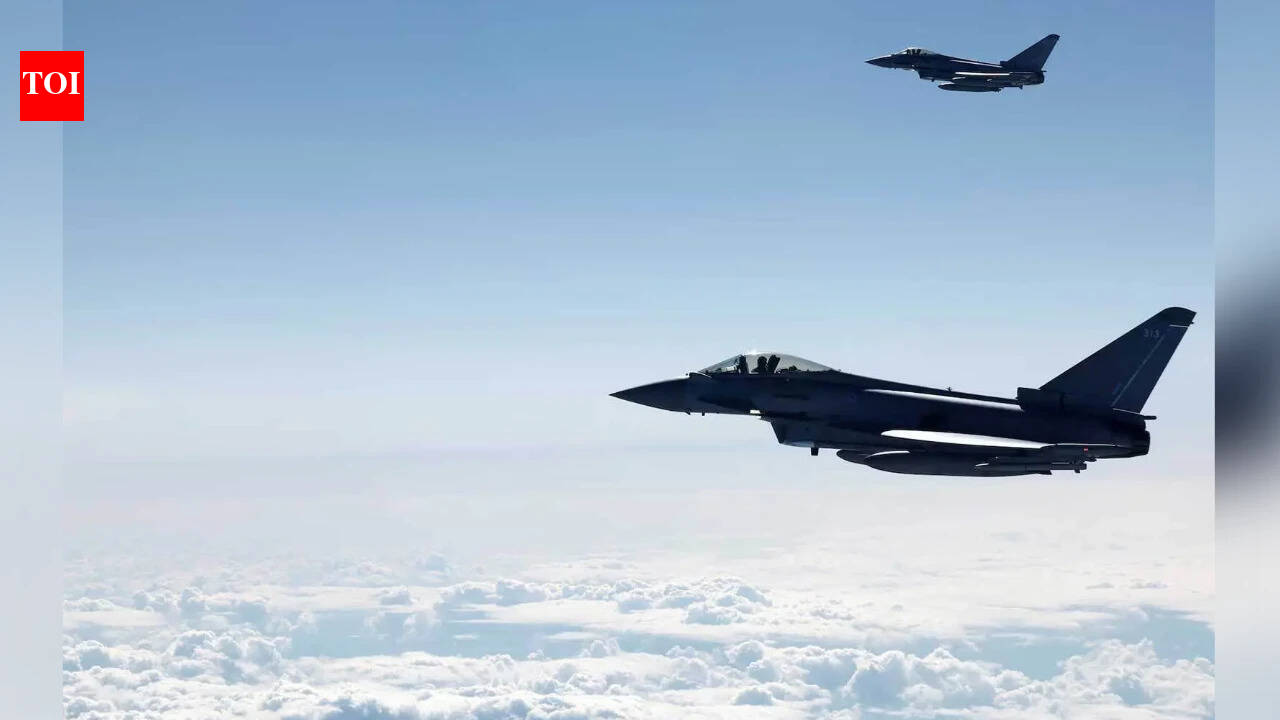
Iran has claimed that three of its military pilots, previously declared missing after Su-24 jet crashes, are being held captive by Qatari forces. This revelation coincides with the unveiling of an IRGC 'war trophy' vault displaying wreckage allegedly recovered from U.S. and Israeli aircraft during recent regional conflicts.
The Geopolitical Fallout of Iran’s Missing Pilots
Recent reports from Tehran have introduced a volatile new dimension to the ongoing regional tensions, as Iranian officials formally accused Qatari forces of holding three military pilots captive. The pilots—identified as Javad Salehi, Abdolmajid Dashtian, and Omran Behraveshian—were previously reported as missing following the crash of their Su-24 jets during operations targeting Qatar amidst the broader U.S.-Israel war. While a fourth pilot was reportedly returned to Iran deceased, the status of these three individuals had remained a point of significant uncertainty until this recent, jarring disclosure.
A Shift in Diplomatic Strategy
Tehran’s decision to reveal the alleged capture of these pilots after months of silence suggests a calculated shift in its diplomatic and military posturing. By publicly naming the pilots and accusing a U.S. ally of holding them without access to family or consular representatives, Iran is effectively escalating the pressure on Qatar. This move serves as a public warning, challenging the narrative of regional stability maintained by U.S. partners and forcing a confrontation regarding the treatment of combatants captured during the April 2026 hostilities.
The 'War Trophy' Vault: Propaganda or Proof?
Complementing the claims regarding the pilots, the Islamic Revolutionary Guard Corps (IRGC) has unveiled an underground exhibition of "war trophies." This collection, which includes wreckage claimed to be from an American F-15, various MQ-9 drones, and Israeli Hermes-series UAVs, is being presented as empirical evidence of Iran’s defensive capabilities. By showcasing 171 aerial vehicles purportedly downed by their integrated air defenses, Tehran aims to project strength and technological parity, directly challenging the perceived air superiority of Western-aligned forces.
Broader Implications for Regional Security
The synchronization of the pilot narrative with the display of downed aircraft suggests a concerted effort by Iran to rewrite the history of the 40-day war. By linking the wreckage of sophisticated hardware like U.S. F-15s and Starlink-linked communication equipment to their own defensive victories, Tehran is attempting to bolster domestic morale while signaling to international observers that the regional battlefield has fundamentally changed. The focus on Starlink components highlights a specific concern regarding the integration of private-sector satellite technology into modern military warfare.
Future Trends and Diplomatic Risks
As these developments unfold, the risk of miscalculation remains high. If Iran continues to leverage the alleged detention of these pilots as a bargaining chip, it could lead to further diplomatic isolation or, conversely, force international mediators to intervene to prevent a localized escalation. The existence of the IRGC vault serves as a permanent, physical reminder of the conflict, likely to be used for years to come as a centerpiece of Iranian military doctrine and domestic propaganda, potentially hardening the stance of all parties involved in the Gulf security architecture.
Multiple Citing Sources