Iran’s ‘missing’ pilots found alive: Did US allies in Gulf just get a shocking warning from Tehran?
Source Entity
Latest News: Todays Latest News Headlines from India & World | Hindustan Times | Hindustan Times
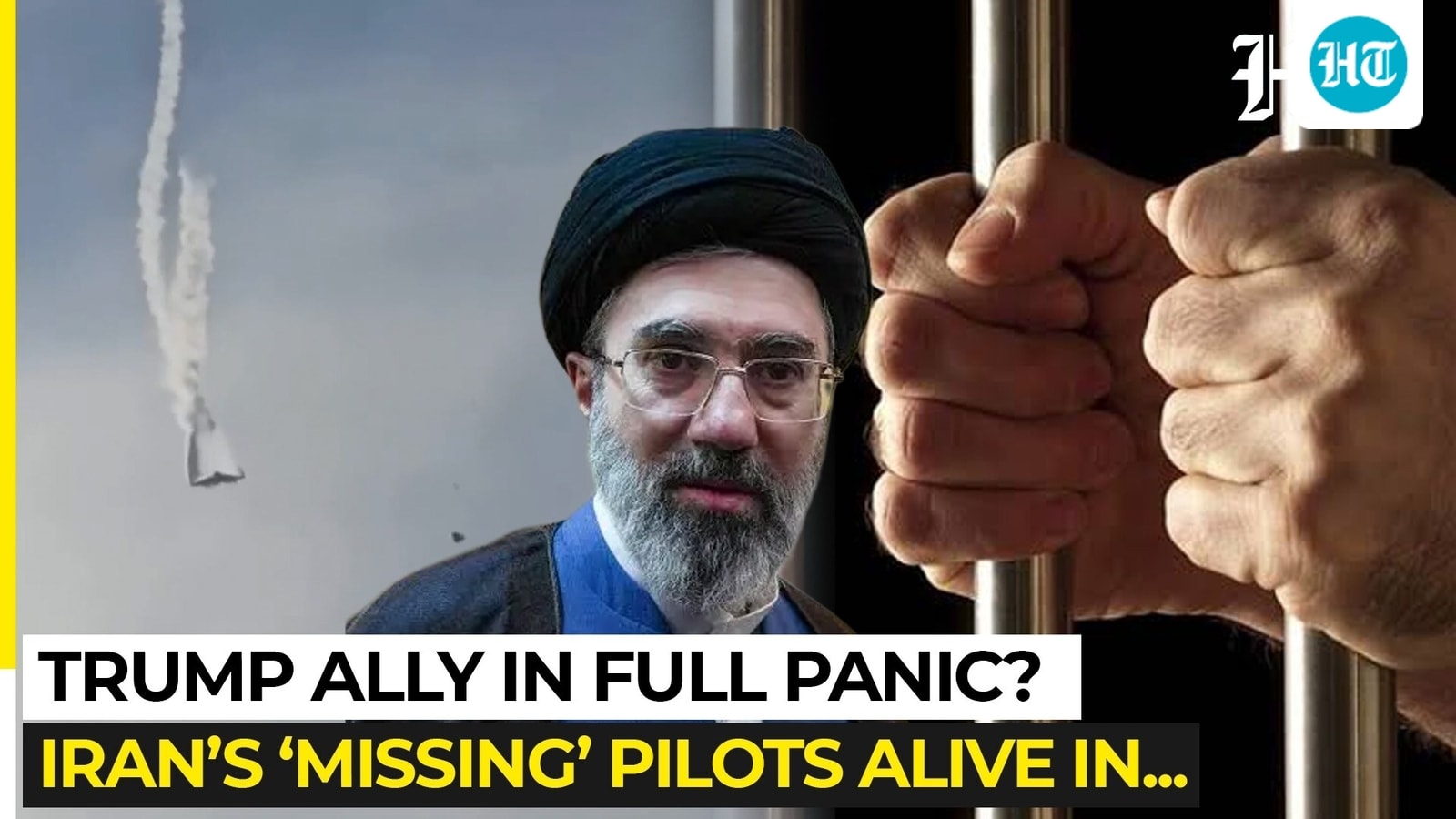
Iran has claimed that three of its military pilots, previously missing after Su-24 jet crashes, are being held captive by Qatari forces. This revelation coincides with Tehran unveiling an underground 'war trophy' vault displaying wreckage from U.S. and Israeli aircraft to assert its wartime air defense capabilities.
Tensions Escalate: The Mystery of the Captured Pilots
The geopolitical landscape in the Middle East has entered a volatile new phase following Tehran's startling announcement regarding the status of its military personnel. After months of asserting that several aviators were simply missing following the crash of their Su-24 jets during attacks on Qatar, Iran has now claimed that three pilots—Javad Salehi, Abdolmajid Dashtian, and Omran Behraveshian—are alive and being held in custody by Qatari forces. This revelation marks a significant shift in the narrative, moving from a search-and-rescue mystery to a direct diplomatic confrontation regarding the treatment of prisoners of war.
The Human Cost of Conflict
According to Iranian officials, while one pilot was returned to Tehran deceased, the remaining three have been denied contact with their families or diplomatic representatives for months. The timing of this disclosure raises critical questions about Tehran's strategic intent. By publicizing the alleged capture of these men, Iran is likely attempting to exert diplomatic pressure on U.S. allies in the Gulf, framing the situation as a human rights failure and a violation of international norms regarding the treatment of captured military personnel.
The 'War Trophy' Vault: Tehran’s Narrative of Strength
Parallel to the pilot controversy, the Iranian Revolutionary Guard Corps (IRGC) has unveiled an underground facility dubbed a "war trophy" vault. This exhibition is designed to bolster domestic and international perceptions of Iran’s military prowess. Tehran alleges that its integrated air defense systems successfully struck 171 aerial vehicles, including 10 manned aircraft, during the recent 40-day conflict. The display of wreckage, which reportedly includes components from American MQ-9 drones, Israeli Hermes-series UAVs, and even remnants of a U.S. F-15, serves as a tangible centerpiece for their claims of wartime success.
Analyzing the Strategic Signaling
This exhibition is not merely a display of recovered hardware; it is a calculated psychological operation. By showcasing Starlink-linked communications equipment alongside downed aircraft parts, Iran is signaling a sophisticated understanding of modern, network-centric warfare. The intent is to cast doubt on the technological superiority of U.S. and Israeli forces, suggesting that Iran’s air defense grid is capable of neutralizing high-end, Western-manufactured assets.
Future Implications and Diplomatic Fallout
Moving forward, the intersection of these two events—the claims of detained pilots and the display of downed aircraft—creates a complex diplomatic entanglement. If these pilots are indeed in Qatari custody, the burden of proof now shifts to regional actors to address these allegations. Furthermore, the "war trophy" vault will likely be used by Tehran to justify its ongoing military posture and to strengthen its domestic narrative of resistance against U.S.-led coalitions. The international community will remain skeptical of the technical claims, but the political impact of these revelations is already rippling through the region, likely leading to heightened tensions in future diplomatic engagements.
Multiple Citing Sources
Verification Required?