Iran's football team's plane returns after entry denied in Iraq due to US sanctions
Source Entity
YASHASVI VASISTHA
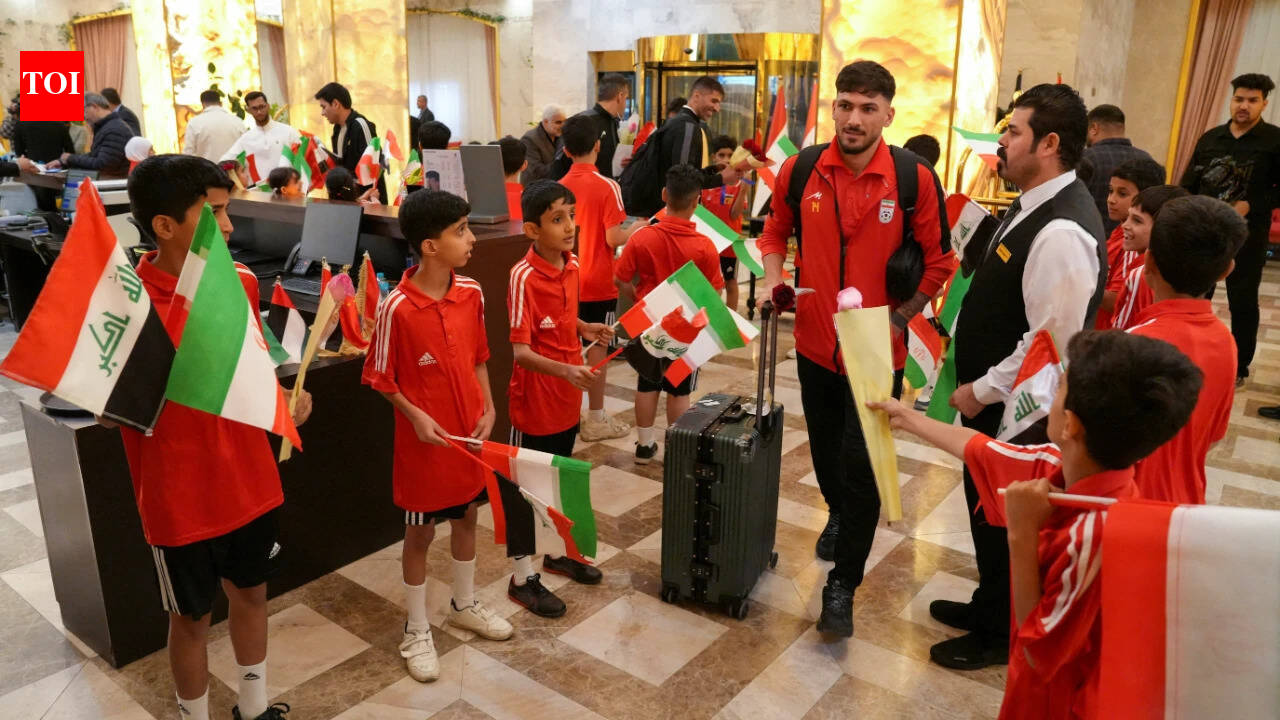
The Iranian national football team faced significant travel disruptions after their plane was denied entry into Iraq. This incident, linked to US-imposed sanctions, forced the squad to complete their journey by road.
Logistical Hurdles: The Intersection of Politics and Sports
The recent disruption involving the Iranian national football team highlights the increasing entanglement of geopolitical sanctions with international sporting logistics. When the team’s aircraft was denied entry into Iraqi airspace, it underscored the practical implications of long-standing US sanctions on Iranian aviation. These restrictions often create a complex web of compliance issues for third-party nations, such as Iraq, which must navigate the potential fallout of facilitating travel for entities or assets flagged under US regulatory frameworks.
The Impact of Sanctions on Aviation
At the core of this incident is the status of Iranian aircraft under international law and US-led economic restrictions. Because US sanctions frequently target the Iranian aviation sector, including the maintenance and operation of specific aircraft models, secondary countries often face pressure to restrict access to their airports and airspace. This event serves as a stark reminder that even high-profile sporting entities are not immune to the broader economic warfare and diplomatic tensions that define modern international relations.
Challenges of Regional Travel
For a national team competing in regional tournaments, travel efficiency is paramount to athletic performance. The forced diversion of the team’s flight and the subsequent transition to road travel represents a significant logistical burden. Long-distance road travel for professional athletes is rarely ideal, as it introduces physical fatigue and disrupts the precise recovery schedules required for elite performance. This reality demonstrates how political barriers can directly impact the competitive integrity of sporting events.
Historical Context and Precedents
Historically, sports have often been used as a bridge between nations, yet this incident reveals the limitations of that bridge when regulatory frameworks are strictly enforced. While international governing bodies like FIFA often advocate for the separation of sports and politics, the reality on the ground—as evidenced by this flight denial—shows that diplomatic maneuvers and economic sanctions frequently override these ideals. This is not an isolated case but rather part of a recurring pattern where national teams become collateral damage in geopolitical disputes.
Future Trends in Sporting Diplomacy
Looking forward, this incident suggests that national teams from heavily sanctioned nations will face increasing unpredictability in their travel and logistical planning. Sports federations will likely need to develop more robust contingency plans that account for sudden airspace closures and denied landing permissions. As international sanctions remain a primary tool of foreign policy, the ability of teams to navigate these bureaucratic minefields will become as critical to their success as their on-field training.
Conclusion
The forced road journey of the Iranian football team serves as a clear illustration of how geopolitical friction manifests in the daily lives of athletes. By prioritizing compliance with US sanctions over the facilitation of air travel, Iraq has demonstrated the far-reaching influence of these economic measures. Ultimately, this event highlights the ongoing tension between the globalization of sports and the increasingly fragmented landscape of international politics.