Iran Doubles Gasoline Price For Heavy Users Amid Economic Strain
Source Entity
NDTV News Search Records Found 1000
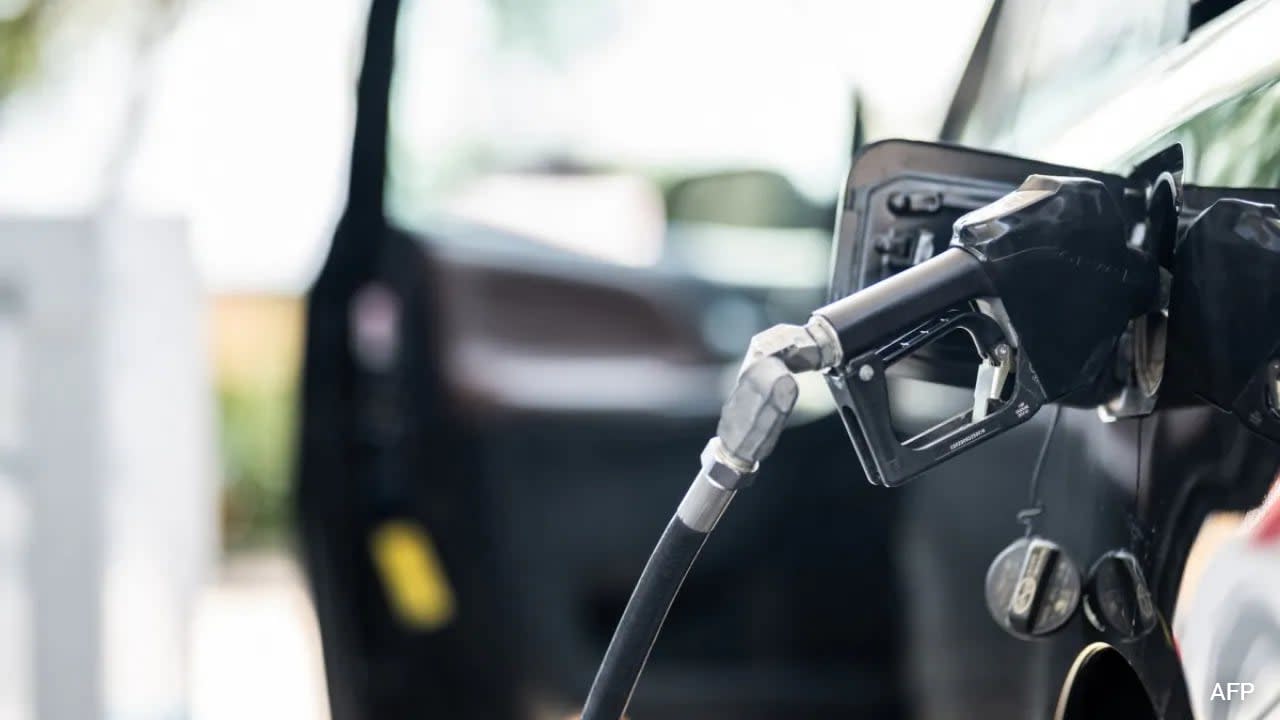
Iran has doubled gasoline prices for heavy users, marking a significant shift in a nation that has long viewed cheap fuel as a birthright. This policy change reflects the country's ongoing economic strain and attempts to manage domestic consumption.
The End of an Era: Iran's Gasoline Policy Shift
For generations, the Iranian public has viewed access to heavily subsidized, inexpensive gasoline as a fundamental birthright. This cultural and economic expectation has long served as a social contract between the state and its citizens, providing a buffer against the volatility of the global oil market. However, recent reports indicate that the government has doubled gasoline prices for heavy users, signaling a significant departure from these historical norms.
Economic Pressures and Fiscal Realities
The decision to hike fuel prices is deeply rooted in the severe economic strain currently facing the nation. Faced with international sanctions, high inflation, and the need to manage fiscal deficits, the Iranian administration is increasingly compelled to reduce the massive financial burden of domestic energy subsidies. By targeting heavy users with higher tariffs, the state aims to mitigate the bleeding of public funds while attempting to curb excessive fuel consumption that has plagued the domestic market for years.
The Social and Political Implications
Fuel prices in Iran are not merely an economic metric; they are a highly sensitive political barometer. Any move to adjust these prices often triggers widespread public anxiety, as inexpensive fuel has historically been the primary mechanism for maintaining domestic stability and controlling the cost of living. The decision to double prices for heavy users suggests that the government is navigating a precarious balance—attempting to implement necessary structural reforms without inciting the kind of civil unrest that has historically followed fuel price hikes.
Historical Context of Subsidies
Historically, Iran’s reliance on cheap gasoline has been a double-edged sword. While it provided affordable transportation and logistics for a population struggling with economic isolation, it also incentivized inefficient energy use and created a massive reliance on state-funded infrastructure. Transitioning away from this model is a complex task, as it requires re-educating a populace that has grown accustomed to fuel prices that are significantly below global benchmarks.
Future Trends and Outlook
Looking ahead, it is likely that Iran will continue to refine its energy pricing strategy to align more closely with market realities. The move to penalize heavy users is likely a precursor to broader reforms aimed at increasing energy efficiency and reducing the government's role in subsidizing private consumption. However, the success of these measures will depend heavily on the government's ability to provide adequate economic safety nets for those most impacted by the rising costs of living.
Conclusion
In summary, the decision to double gasoline prices for heavy users represents a pivotal moment in Iran's economic policy. By challenging the long-held notion of cheap fuel as a birthright, the state is prioritizing fiscal sustainability over traditional social subsidies. Whether this shift will stabilize the economy or provoke further internal friction remains the central question for the nation's leadership in the coming months.
Verification Required?