Iran’s Ghalibaf says ‘no oil sales’ if Tehran is blocked, warns on regional security
Source Entity
The Indian Express
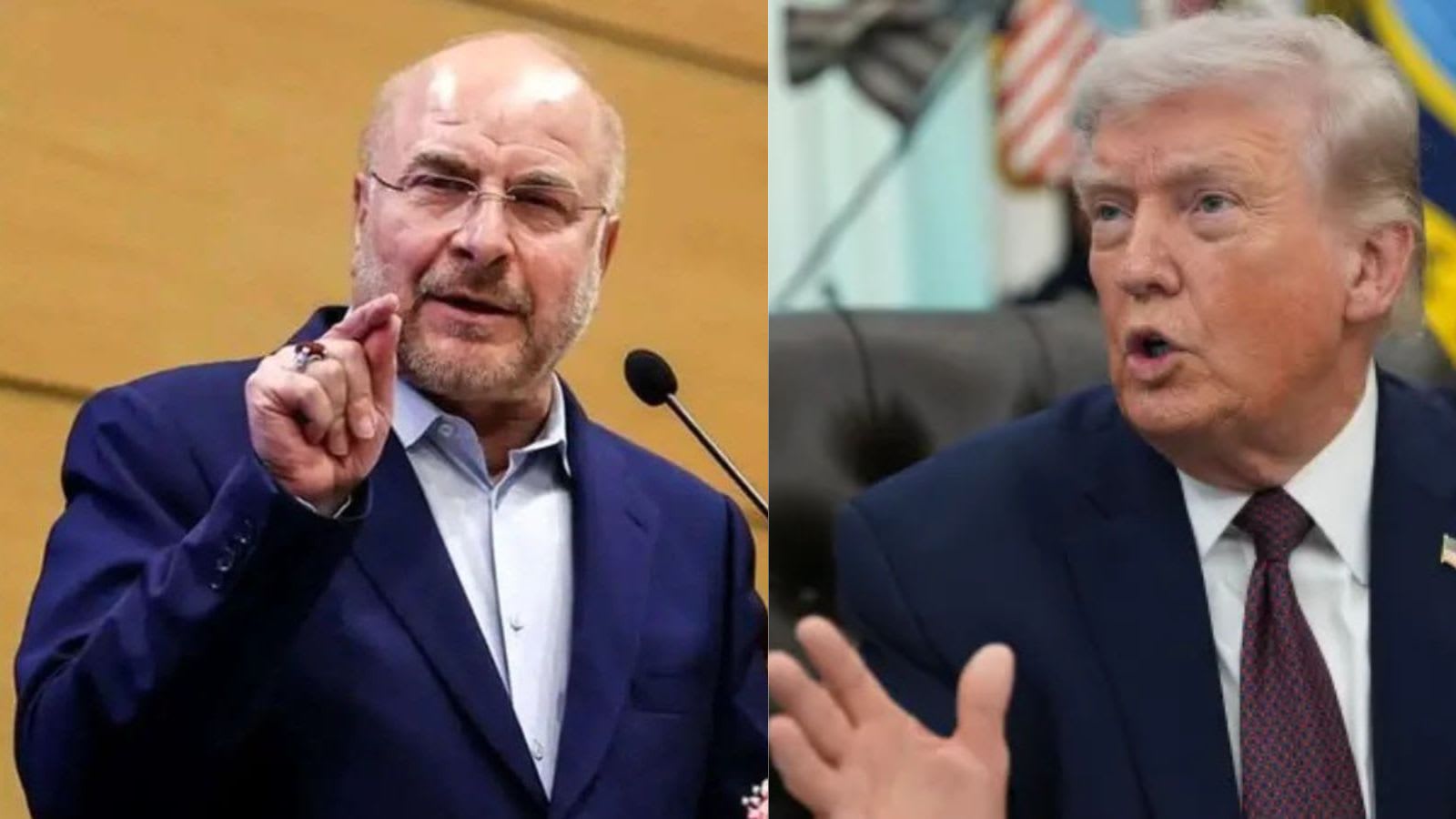
Iranian official Mohammad Bagher Ghalibaf has issued a stark warning that if Iran is prevented from selling oil, no other nation in the region will be able to either. He further asserted that regional security, particularly in the Strait of Hormuz, depends on the removal of American forces.
The Geopolitical Stakes of Iran’s Oil Ultimatum
Iranian official Mohammad Bagher Ghalibaf has articulated a combative stance regarding the nation's energy exports and regional security, declaring that if Iran is blocked from selling its oil, no other nation in the region will be permitted to do so either. This statement marks a significant escalation in rhetoric, framing energy security not as a market-driven endeavor, but as a zero-sum game tied directly to Iran's own economic survival. By asserting that "the equation of this war is clear: either all or none," Ghalibaf has effectively linked the stability of global energy markets to the success of Iranian diplomatic and security objectives.
The Security-Energy Nexus
Ghalibaf’s warning extends beyond mere economic retaliation, touching upon the vulnerability of critical regional infrastructure. His assertion that "if Tehran’s security is not ensured, no infrastructure will be safe" implies a direct threat to the oil pipelines, refineries, and maritime transit routes that sustain the global economy. This creates a precarious environment for international stakeholders, as any perceived breach of Iranian security could trigger a kinetic response targeting the very facilities that fuel the global energy supply chain.
The Strait of Hormuz and American Presence
A central component of Ghalibaf’s rhetoric is the role of the United States in the Middle East. By explicitly stating that the security of the Strait of Hormuz—a vital chokepoint through which a significant portion of the world's oil transits—relies on the absence of American forces, he is challenging the current regional security architecture. This perspective views the U.S. military presence not as a stabilizing force, but as an impediment to regional autonomy and a primary catalyst for the current tensions.
Implications for Global Energy Markets
If these warnings were to manifest into actual policy or tactical action, the impact on global oil prices would be immediate and severe. The Strait of Hormuz is a critical artery for energy exports from Saudi Arabia, Kuwait, and the UAE. Threatening the viability of this route effectively weaponizes the global dependency on Gulf oil. The "all or none" approach suggested by Ghalibaf signals that Iran is prepared to disrupt global trade flows if its own economic isolation continues, placing immense pressure on international powers to manage the standoff.
Future Trends and Regional Stability
Looking ahead, this rhetoric suggests a hardening of Iran’s foreign policy as it navigates ongoing sanctions and geopolitical friction. Future trends will likely see increased posturing around maritime security and continued calls for the withdrawal of Western military assets from the Persian Gulf. As the dialogue between Iran and international actors remains strained, the risk of miscalculation or accidental escalation at these critical maritime chokepoints remains high, making the coming months a period of heightened uncertainty for energy markets and regional security analysts alike.