Iran's Jordan attack & 20 missiles forced US into $400-500 million interceptor blaze? What happened
Source Entity
Latest News: Todays Latest News Headlines from India & World | Hindustan Times | Hindustan Times
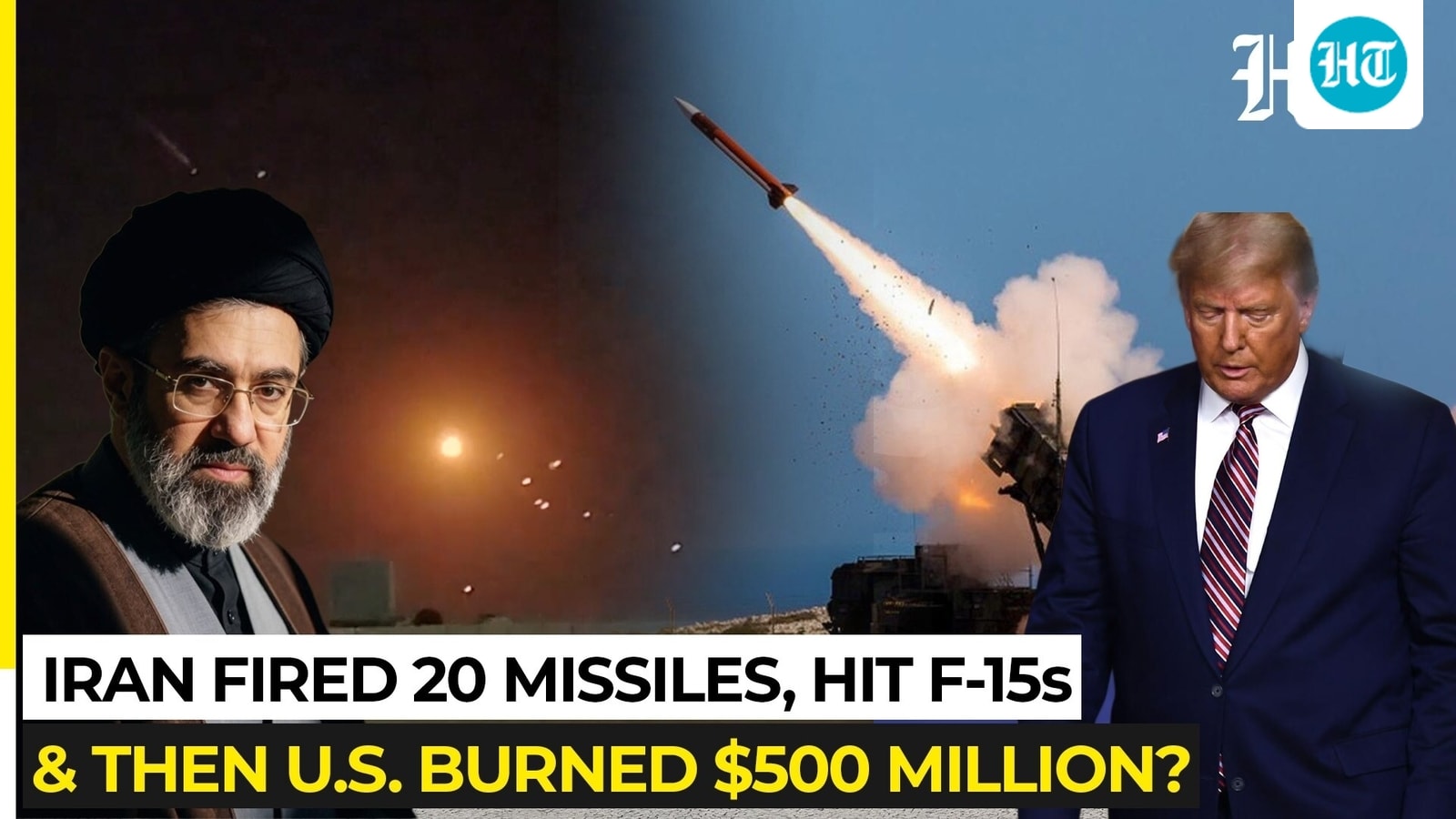
A recent ballistic missile attack on Jordan's Muwaffaq Salti Air Base has triggered a costly U.S. defensive response. Analysts suggest Iran may be testing American military doctrine by forcing the expenditure of expensive Patriot interceptors.
The Cost of Defense: Analyzing the Jordan Missile Engagement
On September 9, a significant escalation occurred when approximately 20 ballistic missiles were reportedly fired at the Muwaffaq Salti Air Base in Jordan. This event has sparked a critical debate regarding the economic sustainability of modern air defense strategies. The U.S. military responded with a massive deployment of Patriot interceptors, with open-source intelligence estimates suggesting that between 60 and 100 interceptors were launched to neutralize the incoming threat.
Economic Asymmetry in Missile Warfare
The central issue highlighted by this event is the staggering cost disparity between offensive and defensive munitions. With each PAC-3 MSE (Patriot Advanced Capability-3 Missile Segment Enhancement) interceptor costing approximately $4 million, the total expenditure for this single defensive operation is estimated to range between $240 million and over $500 million. This creates an economic imbalance where a relatively inexpensive salvo of missiles from an adversary can force a vastly more expensive defensive response from the United States.
Strategic Implications of Defensive Doctrine
There is growing concern among defense analysts that Tehran may be deliberately exploiting American defensive doctrine. By initiating saturation attacks, adversaries can force the U.S. to deplete its limited inventory of high-end interceptors. This 'cost-imposition' strategy aims to drain critical missile stocks without the attacker needing to achieve direct hits on high-value targets, thereby weakening the long-term defensive readiness of the U.S. and its regional allies.
The Future of Air Defense Readiness
The engagement at Muwaffaq Salti Air Base serves as a case study for the limitations of current air defense systems. Relying heavily on high-cost interceptors against low-cost drone or missile swarms is becoming increasingly untenable. This dynamic forces military planners to re-evaluate how to protect static infrastructure without bankrupting the defense budget or leaving the nation vulnerable due to supply chain shortages of specialized ammunition.
Conclusion and Outlook
The September 9 attack demonstrates that modern warfare is as much about economic attrition as it is about kinetic power. As the U.S. navigates these challenges, the focus will likely shift toward developing more cost-effective countermeasures, such as directed-energy weapons or advanced electronic warfare, to mitigate the risk of being drained by asymmetric conflicts. Ensuring the sustainability of defense stocks while maintaining high-level security remains the primary challenge for Washington in the Middle East.
Verification Required?