'We Were Told To Thwart Peace': Israeli Insiders Reveal Dark Gaza War Secrets
Source Entity
NDTV News Search Records Found 1000
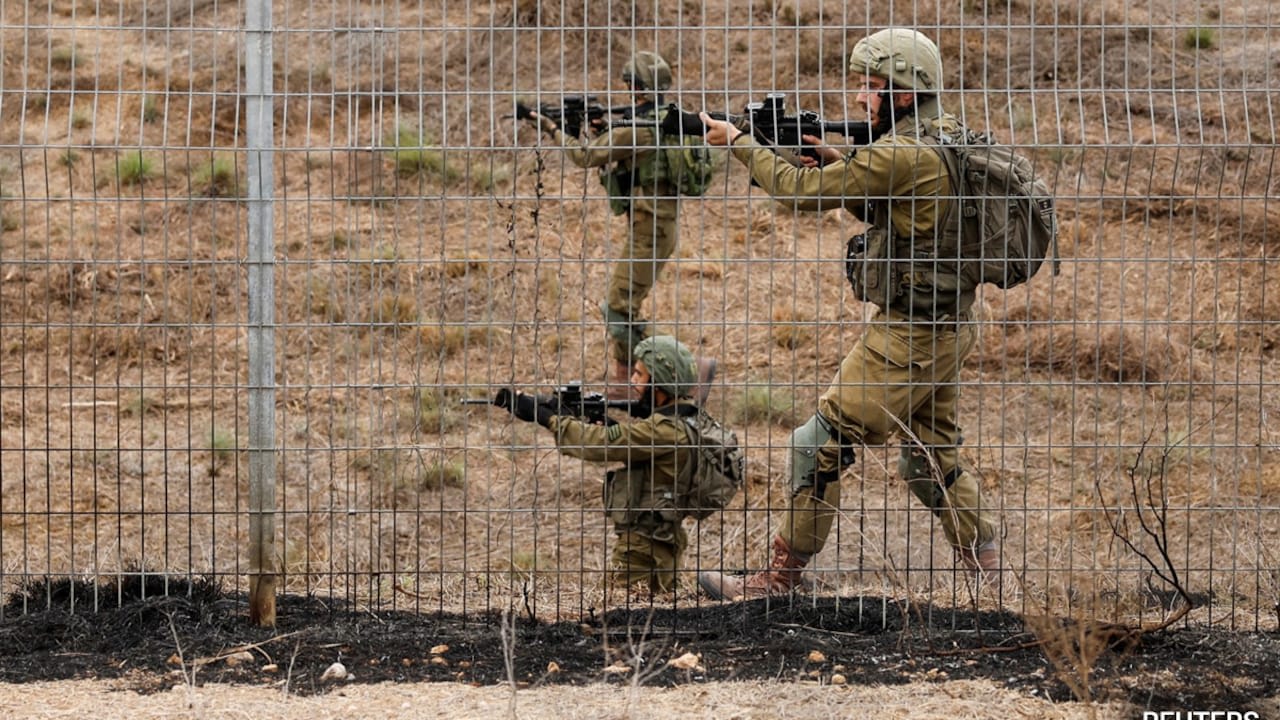
Israeli military insiders have revealed the use of artificial intelligence to identify targets during the ongoing Gaza conflict. This admission highlights the evolving role of algorithmic warfare and the ethical concerns surrounding automated military decision-making.
The Integration of AI in Modern Warfare
The recent acknowledgment by Israeli military officials regarding the utilization of artificial intelligence (AI) to identify targets in the Gaza conflict marks a significant milestone in the evolution of modern warfare. By transitioning from traditional human-led intelligence gathering to machine-learning-assisted targeting, the military has fundamentally altered the pace and scale of combat operations. This shift represents a broader global trend where defense forces increasingly rely on data-driven algorithms to process vast amounts of surveillance imagery and communications metadata to identify potential threats in high-density urban environments.
The Mechanics of Algorithmic Targeting
At the core of this development is the capacity for AI systems to parse massive datasets far beyond the capability of human analysts. In the context of Gaza, these systems are designed to distinguish between civilian infrastructure and active military targets. However, the reliance on such technology introduces a critical 'black box' problem, where the criteria used by the algorithm to designate a target may lack the nuanced, contextual judgment that human soldiers bring to the field. The military's admission confirms that these tools are not merely advisory but are central to the operational workflow of the conflict.
Ethical Implications and Accountability
The disclosure that insiders were 'told to thwart peace' while operating these systems raises profound ethical questions regarding the intersection of automation and military policy. When software is tasked with target identification, the chain of moral and legal accountability becomes obscured. If an algorithm misidentifies a target, the question of whether the error lies with the software developers, the military command, or the political leadership remains unresolved. This creates a dangerous precedent where the 'fog of war' is exacerbated by the opacity of the technology itself.
Strategic Shifts in Urban Conflict
Urban warfare has historically been one of the most challenging environments for military forces due to the difficulty of separating combatants from non-combatants. The integration of AI into this theater is intended to provide a tactical advantage; however, it also risks lowering the threshold for kinetic action. By automating the identification process, the speed of decision-making increases, potentially leaving less time for human oversight to override or question the automated outputs during high-pressure engagements.
Future Trends in Digital Warfare
Looking forward, the use of AI in the Gaza conflict serves as a case study for future military engagements worldwide. As nations race to achieve technological superiority, the development of autonomous targeting systems will likely accelerate. International observers and humanitarian organizations will likely continue to press for stricter regulations on the use of AI in lethal operations. The tension between achieving operational efficiency and adhering to international humanitarian law will remain a central theme in the discourse surrounding the future of defense technology and global security.
Verification Required?